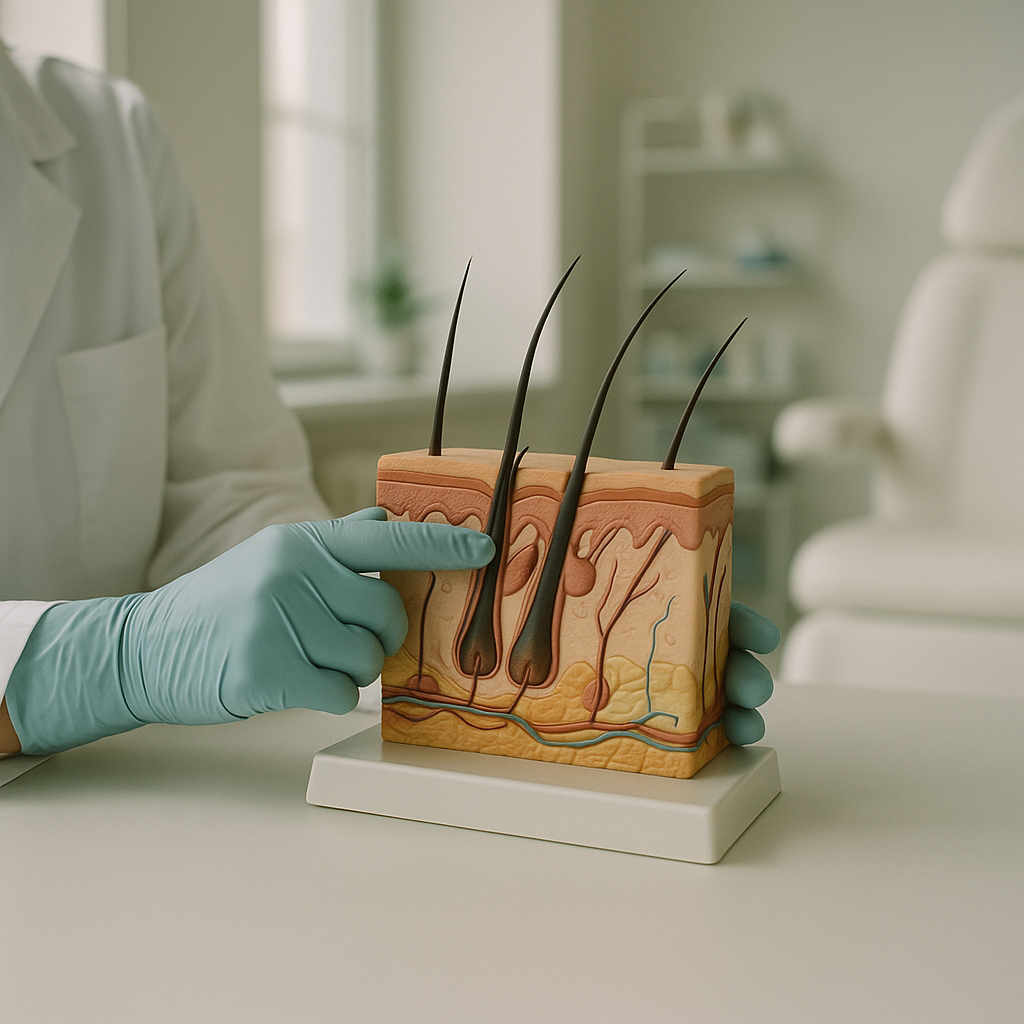
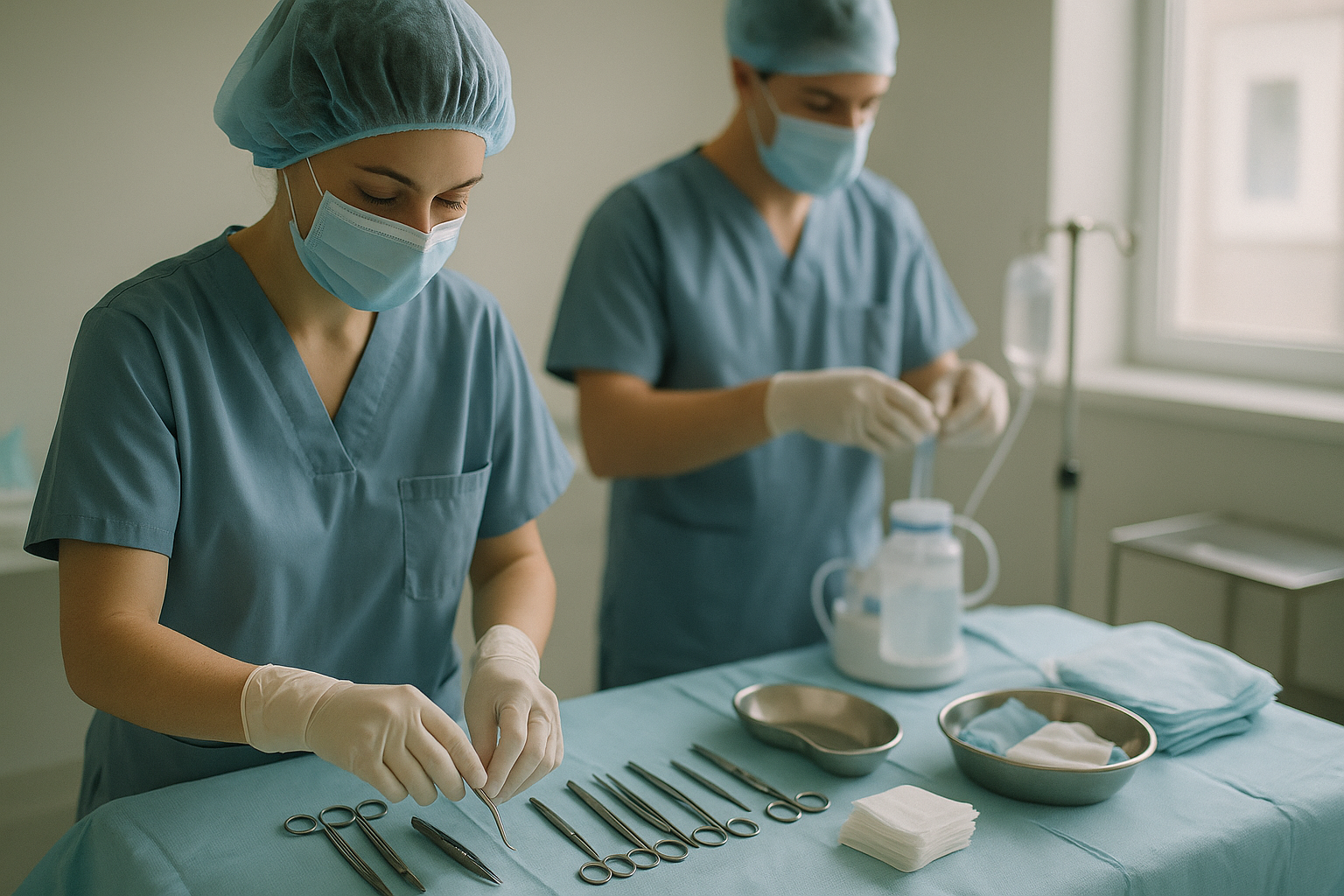
Proper preparation is essential before a hair transplant to support a safe procedure and smooth recovery.
Taking the right steps before your hair transplant helps ensure a safer procedure and a more comfortable experience.
Key Steps to Take Before Your Hair Transplant
Medications and Supplements to Stop
Certain medications and supplements may increase bleeding, affect healing, or interact with anesthesia during a hair transplant. Clinics commonly advise stopping blood-thinning drugs such as aspirin or warfarin approximately 7–10 days before surgery, but only with approval from your prescribing physician. Nonsteroidal anti-inflammatory drugs (NSAIDs), including ibuprofen, are often paused for similar reasons within the same time frame. Herbal supplements like ginkgo biloba, garlic, and ginseng, as well as vitamin E and high-dose omega-3 fatty acids, may also influence bleeding risk and are generally avoided for at least a week before the procedure.
Topical minoxidil (used for hair loss) is typically paused 7–14 days before the transplant to minimize scalp irritation during surgery. If you take prescription medications for chronic conditions such as diabetes or hypertension, do not stop or adjust these on your own—always consult your prescribing doctor first. Share any proposed medication changes with your transplant clinic, as their recommendations will depend on your health background and the technique planned.
Each clinic may provide specific written instructions tailored to your situation. Request a clear list regarding when to stop and resume regular medications or supplements. For further details about different hair transplant methods, see FUE, sapphire blades, and DHI.
Scalp and Hair Preparation Tips
Keeping the scalp clean in the days before a hair transplant is one way to help reduce the chance of infection. Many clinics suggest using an antiseptic or ketoconazole shampoo for 2–3 washes prior to surgery. Ketoconazole can help reduce surface microbes and flaking, supporting scalp health. Follow the washing schedule your transplant team gives you, as frequency and timing may differ by clinic.
Hair is usually left at its regular length unless the clinic provides specific instructions about cutting. Avoid shaving or trimming just before your appointment, as the surgical team often prefers to assess your natural hair growth pattern. Refrain from using styling products or conditioners in the final days. Wash your hair one last time on the morning of surgery, using only water or the recommended shampoo.
Written instructions from your clinic are the most reliable guide, as preparation steps can differ. If any advice is unclear, ask for clarification to ensure you are following the recommended protocol. For examples of the types of results that may develop over time, see our results gallery.
| Time Before Surgery | Action Steps |
|---|---|
| 4 weeks | Consultation and medical evaluation, plan for time off work, stabilise any scalp conditions. |
| 2 weeks | Stop blood thinners, certain supplements, and minoxidil (if instructed). Avoid smoking and alcohol. |
| 1 week | Begin antiseptic/ketoconazole shampoo as directed. Prepare comfortable clothing and transport plans. |
| 24–48 hours | Ensure scalp is clean. Pack essentials for surgery day. Avoid caffeine and heavy meals. |
| Surgery day | Wear loose, front-opening clothing. Bring ID, paperwork, snacks, and a wide hat. |
Medical Evaluation and Tests Before the Procedure
Pre-Operative Blood Tests and Health Checks
Before undergoing a hair transplant, routine laboratory tests help ensure your safety and reduce the risk of complications. Most clinics request a complete blood count (CBC) to evaluate general health and screen for anemia or infection. Coagulation tests (such as PT, aPTT, or INR) are used to check for any abnormalities in blood clotting that could increase bleeding risk during or after the procedure. Screening for infectious diseases, including hepatitis B, hepatitis C, and HIV, is also standard. These tests are typically performed a few days before surgery, and your clinic will advise you on the exact timing and preparation.
Occasionally, additional tests may be requested based on your medical history—such as blood sugar levels for those with diabetes or ECG for individuals over a certain age. Bringing your current medication list and any relevant health records to the clinic will help them conduct a thorough pre-operative assessment. The information from these laboratory checks helps tailor the care you receive during and after your transplant.
The Role of the Medical Consultation
The initial consultation is the foundation of your hair transplant journey. During this appointment, the medical team will review your medical history, discuss any previous surgeries, allergies, and current medications, and inquire about any chronic health conditions. They will assess your pattern and degree of hair loss, examine the quality and density of your donor area, and discuss your expectations for the procedure. Understanding the cause and progression of your hair loss is essential, as it may influence both the technique used and the design of your planned transplant.
Underlying factors such as hormonal imbalances, autoimmune disorders, or skin conditions are considered. Identifying these early ensures that a hair transplant is appropriate and that any additional treatments can be coordinated. The final decision about your suitability for surgery belongs to the examining physician after a full assessment. This individualized evaluation supports a safer and more effective planning process. If you are interested in the procedural steps and aftercare, the article on month by month after a hair transplant provides a practical overview.
Who Might Not Be Suitable for a Hair Transplant
Health Conditions and Contraindications
Certain medical conditions and medications can make a hair transplant less advisable or require special precautions. For example, individuals with uncontrolled diabetes may face an increased risk of infection and slower healing. Those with bleeding disorders, such as hemophilia or low platelet counts, could experience excessive bleeding during or after the procedure. Active scalp diseases—like severe dermatitis or untreated folliculitis—may also mean postponing surgery until the condition is managed. People taking anticoagulant medications (blood thinners) may need to temporarily adjust their regimen, but this should only be done under medical supervision.
Other ongoing health issues, including untreated heart conditions or autoimmune diseases, can influence whether the procedure is safe or advisable at the time. If you have a history of poor wound healing or keloid scarring, this may also affect the suitability of hair transplantation. In every case, a thorough evaluation is necessary, and your medical history must be discussed in detail with the physician. Only the examining doctor can determine whether it is appropriate to proceed, as individual situations vary widely.
Age, Hair Loss Stage, and Other Considerations
Hair transplants are generally not recommended for individuals who are very young—for example, those under the age of 21—because hair loss patterns may not yet be stable. If hair loss is still progressing rapidly, performing a procedure too early could lead to uneven results over time. The stage of hair loss is also important; very advanced baldness may mean there is not enough donor hair to achieve the desired coverage. In such cases, expectations may need to be adjusted, and alternative strategies considered.
Some people may have insufficient donor hair in the back or sides of the scalp, making it difficult to achieve a natural-looking outcome. Unrealistic expectations about density or hairline design can also affect suitability. During the consultation, the clinician will assess not just hair availability but also goals and medical background. Photographs of results you can look at closely may help you understand what is typically achievable. The final decision on eligibility always rests with the treating physician, taking into account your unique situation.
FUE and DHI: Comparing the Leading Hair Transplant Techniques
How FUE and DHI Are Performed
FUE (Follicular Unit Extraction) and DHI (Direct Hair Implantation) are commonly used approaches for hair transplantation. With FUE, individual follicular units are extracted from the donor area—typically the back of the scalp—using fine punches. These grafts are then prepared and placed into small incisions made in thinning or bald areas. Specialized blades, including sapphire-tipped instruments, are sometimes used to create these incisions for their precision and smooth edges. Sessions usually last 6 to 8 hours, depending on how many grafts are needed.
DHI involves extracting follicles in a similar way, but the implantation process differs. The grafts are loaded into a pen-like device called a Choi implanter, which allows each follicle to be inserted directly into the scalp in one motion, without creating incisions in advance. This method can provide the team with precise control over the angle and direction of each hair. The duration of a DHI session is generally similar to FUE but can vary depending on individual needs and the number of grafts.
Key Differences and Deciding Factors
FUE and DHI both avoid the linear scar associated with older strip surgery, but their techniques and instruments differ. FUE is performed in two main steps—creating incisions and then implanting the grafts—often using micro punches and sometimes sapphire blades. DHI combines these steps, as grafts are implanted directly with the Choi pen. Some people choose DHI when aiming for specific hairline designs or higher density in smaller areas, while FUE may be considered for broader coverage or when a simpler approach is preferred.
The decision between FUE and DHI depends on several factors: scalp characteristics, the design of the hairline, the total graft count, and the clinical team's experience. For a detailed technical breakdown and practical insights about each method, see our article on FUE, sapphire blades, and DHI. The examining physician will assess your scalp and discuss which approach aligns best with your goals and expectations.
What to Bring and Arrange for Your Surgery Day
Clothing, Accessories, and Essentials
Packing for your hair transplant requires just a few practical items, but each can make a difference in your comfort and the ease of your clinic visit. Choose a top that opens fully at the front—either a button-up shirt or a zip-up jacket. This helps you avoid pulling clothing over your head, which can disturb the newly implanted area after your procedure. For headwear, pack a very loose-fitting hat such as a bucket hat or a soft, wide-brimmed cap. Your clinic team may also provide you with appropriate headgear after surgery, but having your own as a backup can be helpful.
Bring a valid form of identification (such as a passport or national ID card) and any paperwork the clinic has asked you to present. This might include test results, consent forms, or pre-operative checklists. Keeping these in a folder can help prevent last-minute stress. Don't forget practical items like a phone and charger—long procedures mean you'll want your device available for calls, updates, or entertainment. It is also a good idea to bring a small bottle of water and some light snacks, especially if your procedure is scheduled later in the day. However, always check with your clinic first, as some may ask you to avoid eating beforehand.
Pack any regular medications you take, unless instructed to stop them. Having a small bag with travel-size toiletries and comfort items (like lip balm or tissues) can be useful for longer appointment days. For a sense of assurance about the types of results possible, you may wish to review results you can look at closely from previous hair transplants before your surgery day arrives.
Transport, Food, and Post-Procedure Support
Planning your journey to and from the clinic can ease nerves on the day. Most clinics recommend arranging for someone to accompany you, especially for the trip back. The local anaesthetic used during a hair transplant does not usually impair alertness, but the combination of a long procedure and possible mild swelling or fatigue means support is welcome. If you are traveling from abroad or a distant city, confirm your transportation and, if needed, accommodation for at least one night after the surgery.
Eating a small, light meal before your procedure is often encouraged unless you have specifically been told to fast. Avoid heavy, greasy foods that might cause discomfort when sitting for several hours. If your clinic's instructions differ, always follow their guidance. Hydration is important, but try not to overdo fluids right before arriving, to minimize the need for breaks during the procedure.
Arrange for a period of rest once you return from the clinic. Many people feel tired after the surgery, even though the process itself is not considered physically strenuous. Prepare your home or hotel room with clean bedding and easy access to any post-procedure items provided by the clinic, such as special pillows or aftercare kits. Reducing stress can also be as simple as creating a short checklist of things to do and bring, crossing off each item as you prepare. If you are curious about what to expect in terms of scalp healing, our article on month-by-month changes after a hair transplant provides a helpful overview.
Timeline: How to Prepare in the Weeks Leading Up to Surgery
Four Weeks to One Week Before
Planning for a hair transplant often starts several weeks ahead. If you are on blood-thinning medications, you may be asked to stop them 7 to 10 days before surgery, but only after discussing this with your prescribing doctor. Smoking and alcohol can influence healing and blood flow, so most clinics recommend avoiding both for at least a week before the procedure. Some clinics suggest beginning gentle scalp washes or using a specific shampoo about two weeks beforehand to optimize scalp condition. If you color your hair, do so at least a week prior, as chemical treatments are usually not advised in the immediate period after surgery.
Other preparations may include arranging time off work, organizing help at home for the first few days after surgery, and checking travel documents and appointment confirmations. Use this time to clarify any questions with your clinic, including details about the chosen technique. To better understand the distinctions between FUE, sapphire blades, and DHI, you can review an in-depth comparison of hair transplant methods.
The Final 24 Hours
The day before surgery, wash your hair thoroughly with the shampoo recommended or provided by your clinic. Do not use gels, sprays, or styling products afterward. Select comfortable, loose clothing for the procedure day, ideally something that opens at the front. Rest well and avoid alcohol, caffeine, or large meals that evening to help your body remain balanced.
On the morning of surgery, have a light meal unless you have been advised to fast. Limit water intake to a moderate amount, and avoid coffee or strong tea if instructed. Double-check your bag for essentials such as identification, paperwork, medications, phone, charger, and any aftercare items. Confirm your transportation, and if someone will accompany you, ensure they have the clinic address and appointment time. If traveling from another city or country, reconfirm travel and accommodation plans.
Every clinic offers a tailored preparation plan, and following it helps support a smooth experience. The schedule and restrictions may be adapted to your health history and specific needs, so use your clinic as your main resource for individualized advice. For more information about available options and procedures, see our overview of hair transplant services.
Frequently asked questions
-
You may be advised to stop blood thinners, anti-inflammatories, certain herbal supplements, and vitamin E about 7–14 days before your procedure. Always confirm any medication changes with your treating physician.
-
Standard pre-operative tests often include a complete blood count, coagulation profile, and screening for infections. Your clinic will advise you on the specific tests needed based on your health history.
-
You may be asked to use an antiseptic or medicated shampoo, keep your scalp clean, and avoid haircuts so that the donor area is clearly visible. Follow your clinic’s specific instructions for best results.
-
Wear comfortable clothing that does not need to be pulled over your head, such as a button-up shirt. Bring your ID, any required paperwork, and a loose hat for after the procedure.
Sources
- International Society of Hair Restoration Surgery
- British Association of Dermatologists