Laser hair removal in Istanbul offers a lasting reduction in unwanted hair with tailored technology and protocols for safety and comfort.
Laser hair removal in Istanbul combines advanced technology with tailored care for long-term hair reduction.
How laser hair removal actually works
Targeting the hair follicle with light energy
During laser hair removal, a focused beam of light is directed at the area being treated. The science behind this process is selective photothermolysis. Here, the light energy is absorbed mainly by the pigment—melanin—within the hair shaft and follicle, transforming into heat. This heat disrupts the follicle’s ability to grow hair, while leaving the surrounding skin relatively unaffected. For the treatment to be effective, the targeted hairs need to contain enough pigment. Very light blond, white, or grey hairs typically do not respond as well because they lack sufficient melanin to absorb the laser’s energy. Different laser types are chosen based on the person’s skin tone and hair colour to improve safety and effectiveness.
Why the growth phase matters for results
Hair grows in cycles, including an active growth phase (anagen), a transitional phase (catagen), and a resting phase (telogen). Only hairs in the anagen phase are effectively targeted by the laser because that’s when the hair is connected to the follicle and most receptive to treatment. Not all hairs are in the same phase at once, which is why a single session addresses only a portion of the total hair. Multiple sessions—often four to eight, spaced several weeks apart—are usually needed to achieve the desired reduction. The cosmetic dermatology team can recommend a schedule based on your skin type and hair characteristics.
| Laser Type | Best For | Suitability (Skin Type) | Typical Areas Treated | Notes |
|---|---|---|---|---|
| Alexandrite | Fine to medium dark hair | Light to medium skin | Legs, arms, underarms | Fast coverage, not ideal for darker skin |
| Diode | Coarse and thick hair | Light to medium-dark skin | Face, back, bikini | Versatile, often used for larger body areas |
| Nd:YAG | Thicker, deeper hairs | Medium to dark skin | Face, body | Preferred for darker skin types; less pigment absorption |
| Intense Pulsed Light (IPL) | Various hair/skin combinations | Light skin, dark hair | Multiple body areas | Not a true laser; less selective, may need more sessions |
Key differences between hair removal and resurfacing lasers
Hair-focused lasers: purpose and process
Lasers used for hair removal are designed to target the melanin in hair follicles. Their wavelengths and pulse durations are selected to penetrate the skin and focus energy specifically where the hair grows. Treatment is suitable for various body areas, from the face to the legs. The process involves minimal skin disruption, and the main goal is to affect hair growth without damaging the surrounding tissue. After a session, the treated area might appear slightly red or sensitive, but recovery is typically fast. Appropriate aftercare includes gentle cleansing and sun protection. For more detail on technologies and treatment options in Istanbul, the results you can look at closely page provides visual examples.
Resurfacing lasers: when and why they are used
Skin resurfacing lasers, by contrast, are not designed for hair. Their purpose is to renew the outer layers of the skin, often used for concerns like wrinkles, scars, or uneven tone. These lasers deliver energy more broadly to stimulate collagen production and remove damaged skin cells. Recovery time after resurfacing tends to be longer than after hair removal, sometimes involving a few days of redness, peeling, or swelling. Aftercare is more involved, often requiring moisturizing, avoiding sun, and following specific skin care directions. According to the British Association of Dermatologists (BAD), consulting with a qualified practitioner can help you distinguish between hair removal and resurfacing options and understand which procedure aligns with your goals.
Who should and should not consider laser hair removal
Suitability by hair and skin type
For laser hair removal, the interaction between light and pigment is central. Devices generally work by targeting the melanin in hair follicles. According to the American Academy of Dermatology (AAD), individuals with lighter skin and darker, coarse hair often see the most pronounced reduction in hair growth, as the contrast allows the laser to more effectively target hair without affecting surrounding skin. However, advances in technology have expanded suitability. Modern systems can treat a wider range of skin tones and hair types, though very light blond, red, or gray hair—lacking sufficient pigment—may respond less predictably. A realistic expectation is a long-term reduction in hair growth, not necessarily total removal, and visible improvement may require multiple sessions. Reviewing results you can look at closely from various skin and hair combinations can help you understand what is typical for different profiles.
When to wait or consult a physician first
Certain situations mean waiting or seeking medical guidance is best. If you have had recent changes in hair growth or texture, are using photosensitizing medications (such as some antibiotics or acne treatments), or are pregnant, a consultation is advised. Active skin infections, unhealed wounds, or areas with suspicious moles should be evaluated before any session. Tattoos and recent tanning (within the past four weeks) can complicate treatment, as increased pigment may raise the risk of skin reactions. For those with medical concerns or unclear histories, a physician’s assessment ensures safe and appropriate planning.
Popular laser technologies in Istanbul clinics
Commonly used laser types and their uses
Istanbul clinics often offer several established laser technologies for hair removal. Alexandrite lasers, with a wavelength near 755 nm, are commonly chosen for lighter skin types and dark hair, as they efficiently target melanin. Diode lasers (typically 800-810 nm) suit a broader range of complexions, including medium tones, and can be an option for larger body areas. Nd:YAG lasers (1064 nm) are frequently preferred for darker skin, since their longer wavelength penetrates deeper and is absorbed less by epidermal melanin. In addition to these, clinics may offer intense pulsed light (IPL) devices, which use multiple wavelengths and can cover larger areas. IPL is technically not a laser but is sometimes used for hair reduction in certain skin and hair types.
How settings are customized for your skin and hair
Operators adjust several parameters to match your skin tone, hair color, and density. Settings such as wavelength, pulse duration, and energy level are selected based on a detailed assessment during the initial consultation. An experienced practitioner will often perform a test patch in a discreet area to monitor how your skin reacts, ensuring safety and comfort. Matching the correct device and parameters to your individual needs is essential for an optimal experience. The skill of the operator in making these adjustments can influence both the safety and the degree of hair reduction over time. To learn more about the technology behind laser and light devices, see our overview of cosmetic dermatology treatments.
What happens during a typical session
Preparing for your session: shaving, no tanning
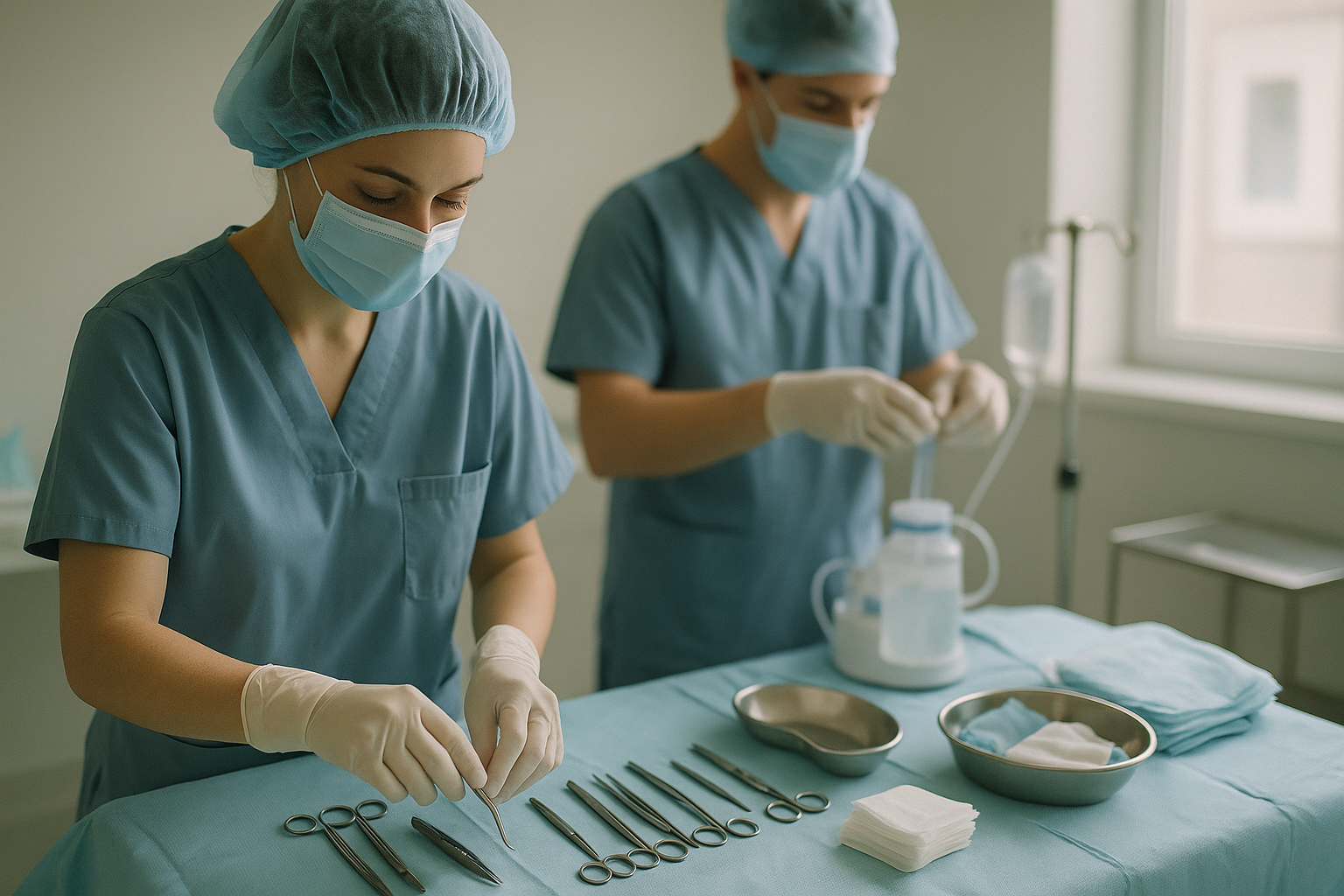
A typical laser hair removal session in Istanbul starts before you enter the clinic. Most providers ask you to shave the target area 24 hours before your appointment, leaving the skin smooth and free of longer hairs that could burn on contact with the laser. Sun exposure or tanning, including self-tanners, should be avoided for at least two weeks—this helps reduce the risk of pigment changes or burns, according to the British Association of Dermatologists (BAD). On arrival, you may be asked about medications or recent skin treatments, as some products or procedures can affect suitability. Protective eyewear is given to both you and the practitioner to shield your eyes from the laser light. Some clinics also use a cooling device, gel, or air to help protect the skin and enhance comfort during the session.
What you feel and see during treatment
The sensation from the laser is often likened to a light snap or pinprick. Most people find it manageable, so topical anaesthesia is rarely needed. A session targeting the upper lip may take just 5–10 minutes, while larger areas like the legs or back could require 30–60 minutes. During treatment, you may notice flashes of light or a faint smell from singed hairs. Mild redness or swelling in the treated area is common right after the session, usually settling within hours to a day. You can explore results you can look at closely for examples of real outcomes over time.
Risks, side effects, and safety protocols
Possible reactions after treatment
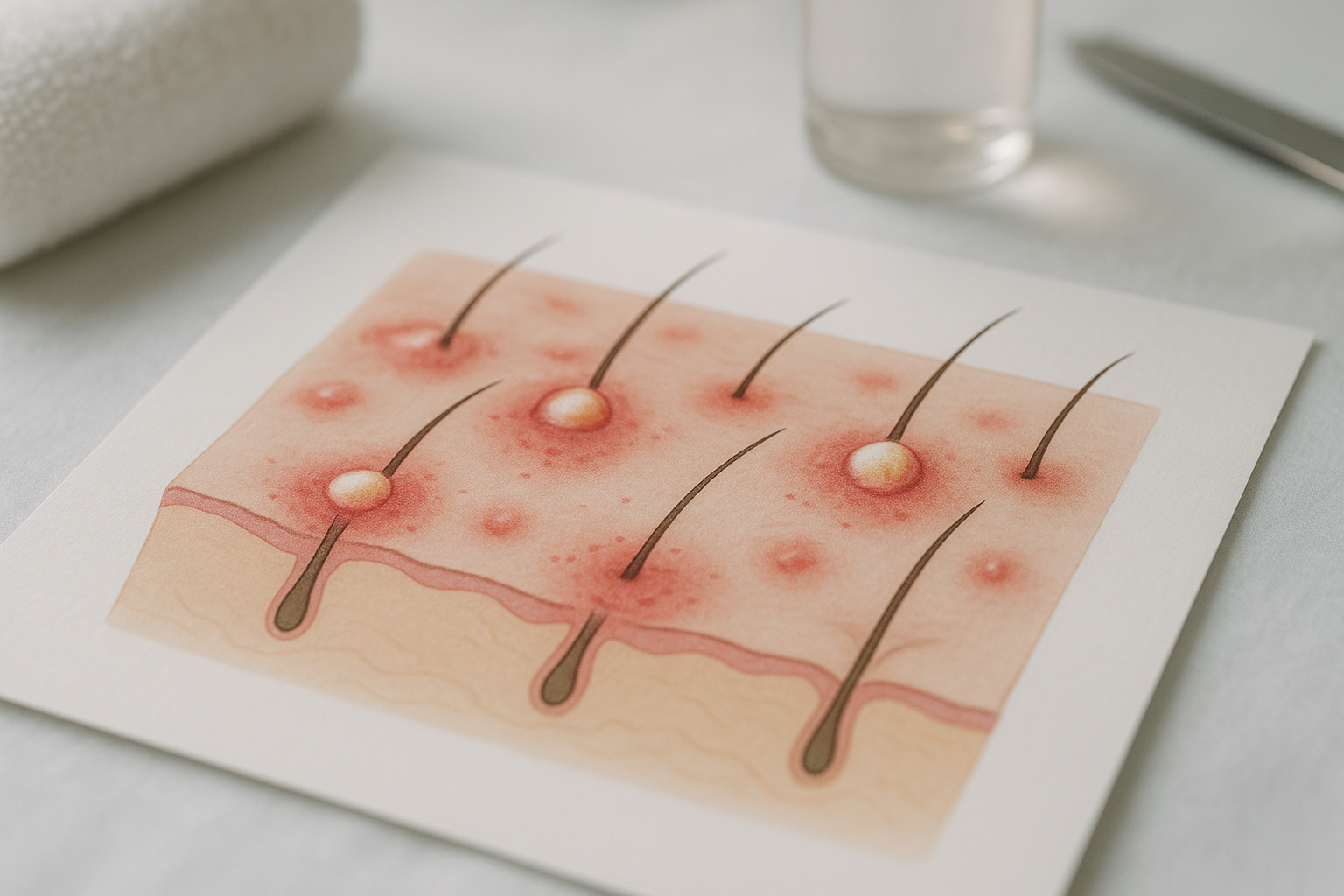
Redness and swelling similar to a mild sunburn are among the most frequent reactions following laser hair removal. These effects usually appear immediately and can last a few hours up to two days. Less commonly, some people may notice temporary pigment changes—either lighter or darker patches—especially on darker or recently tanned skin. Rarely, burns, blistering, or signs of infection such as folliculitis (inflammation of hair follicles) might occur. If you are interested in understanding more about folliculitis, you can visit how folliculitis really develops and what eases the symptoms. Any unexpected or prolonged reaction should be reported to the treating physician.
Safety standards in Istanbul clinics
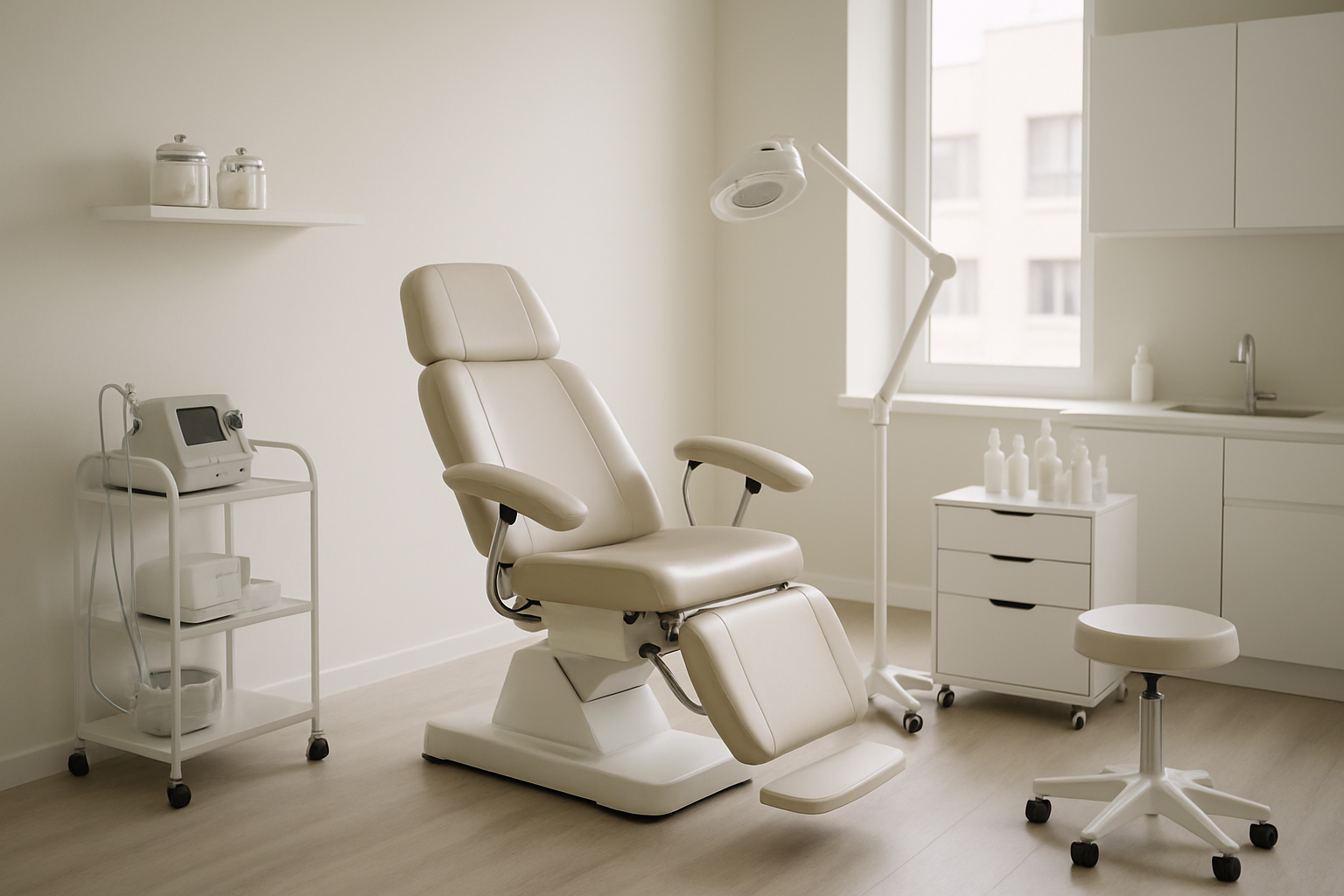
Before starting treatment, most clinics in Istanbul conduct a skin assessment to evaluate your hair and skin type. A patch test is usually performed on a small area to check for sensitivity or adverse reactions. Device settings are calibrated for your skin tone and hair colour to enhance safety. Informed consent is part of the process, ensuring that you understand possible outcomes and potential risks. During sessions, protective eyewear is provided, and cooling methods are applied to soothe the skin. Aftercare instructions may include avoiding sun exposure, using gentle cleansers, and applying moisturisers or soothing creams as needed. These protocols aim to minimise side effects and support a smooth recovery.
Session count, scheduling, and maintenance
How many sessions are typically needed
Areas such as the legs, arms, and back generally require 6 to 8 sessions, with sessions scheduled about every 4 to 8 weeks. For zones affected by hormonal changes—like the face, neck, or abdomen—more sessions may be needed, sometimes extending to 10 or more appointments. The interval between treatments allows the hair to cycle through its growth phases, as laser devices are most effective on follicles in the active growth stage. According to the European Academy of Dermatology and Venereology (EADV), this staged approach helps to target the greatest number of active hair follicles over time.
Why maintenance may be required
Even after completing an initial series, some hair can persist or regrow. Maintenance sessions—usually once or twice a year—are common, particularly for individuals with hormonal fluctuations or those treating facial areas. These follow-up visits address any hair that was dormant during earlier sessions or that regrows over time. While many see a long-term reduction, complete and permanent removal is not typical for every person or treatment area. For a look at real-world outcomes, you can visit our results page to see examples of hair reduction after multiple sessions.
Comparing costs and clinic experience in Istanbul
What influences the price per session or package
The size of the area treated has a significant impact on overall cost: smaller areas such as the upper lip or underarm are generally less expensive than larger areas like the back or legs. The type of laser technology and the qualifications of the professional performing the procedure also factor into pricing. Packages that bundle several sessions can offer savings compared to single-session rates. For some body areas, pricing may differ by gender, as hair density and surface area can vary. Clinics in Istanbul typically provide detailed package options during an initial consultation, often tailored to your chosen treatment areas.
International support and language services
Many Istanbul clinics regularly welcome visitors from France, Belgium, Switzerland, and other countries. Support is often available in English and French, including translators and multilingual coordinators to assist with scheduling, transportation, and aftercare. Staff trained to work with international visitors can help explain each step, from pre-treatment preparations to post-session recommendations. If you would like to learn more about the full range of options for skin and hair, our cosmetic dermatology treatments page covers additional services often offered alongside laser hair removal.
Frequently asked questions
-
Prices vary depending on the area treated, the number of sessions, and the clinic's technology. Larger areas and packages often offer better value per session, but the exact total depends on your individual needs.
-
Most people need between 6 and 8 sessions spaced several weeks apart for a noticeable reduction. Areas influenced by hormones, like the face, may require additional sessions.
-
Clinics commonly use Alexandrite, diode, and Nd:YAG lasers, each suited to different skin and hair types. Intense pulsed light (IPL) devices are also available for certain cases.
-
With appropriate laser technology and settings, darker skin can be treated safely. Nd:YAG lasers are often chosen because they target deeper follicles while sparing surface pigment.
-
Laser hair removal is less effective on light-colored hair since it lacks enough pigment to absorb the laser energy. Alternative methods, such as electrolysis, may be recommended.
-
Temporary redness, mild swelling, and rare pigment changes can occur. In skilled hands, serious complications are uncommon, but every procedure carries risks, so a consultation is important.
-
Most clinics recommend postponing laser hair removal during pregnancy out of caution, as safety data is limited for this period.
-
Many clinics provide English or French-speaking staff and support services for visitors. It is a good idea to confirm language assistance before booking.
-
Most people experience long-term reduction, but some hair can regrow over time, often finer and lighter. Occasional maintenance sessions may help keep results stable.
-
Pricing can differ based on the treatment area and the total surface covered. Some clinics list different rates for men and women, especially for areas like the back or chest.
Sources
- American Academy of Dermatology (AAD)
- British Association of Dermatologists (BAD)
- European Academy of Dermatology and Venereology (EADV)