Is DHI Hair Transplant the Right Technique for Your Needs?
DHI hair transplant uses an implanter pen for precise placement, offering an alternative to traditional FUE for those seeking detailed, natural-looking results.
DHI hair transplant uses an implanter pen to place grafts directly, targeting detailed areas with precision while minimizing time outside the body.
Understanding the DHI Hair Transplant Approach
How DHI differs from FUE and FUT
Direct Hair Implantation (DHI) adapts the principles of Follicular Unit Extraction (FUE) but introduces a distinct step for implantation. Both DHI and FUE involve extracting follicular units one by one from the donor area using a micro-punch, avoiding the linear scar of Follicular Unit Transplantation (FUT), which removes a strip of scalp. The main difference comes after extraction: in standard FUE, channels are created in the recipient area before manually placing the grafts, while DHI skips this separate channel creation. Instead, follicles are implanted directly using a specialised tool, which reduces the interval between extraction and implantation and may help support graft viability. For a more detailed explanation of these methods, see our hair transplant page.
The role of the Choi implanter pen
At the heart of the DHI technique is the Choi implanter pen. This pen-shaped device has a hollow needle that holds each extracted graft. The medical team loads the graft into the pen, and the practitioner inserts it into the scalp and releases the follicle in a single motion. This approach enables careful control over the angle, depth, and direction of each graft. Immediate placement after extraction can help maintain graft hydration and integrity, and the use of this tool is a key distinction between DHI and standard FUE.
Step-by-Step: What Happens During a DHI Procedure
Graft extraction and preparation
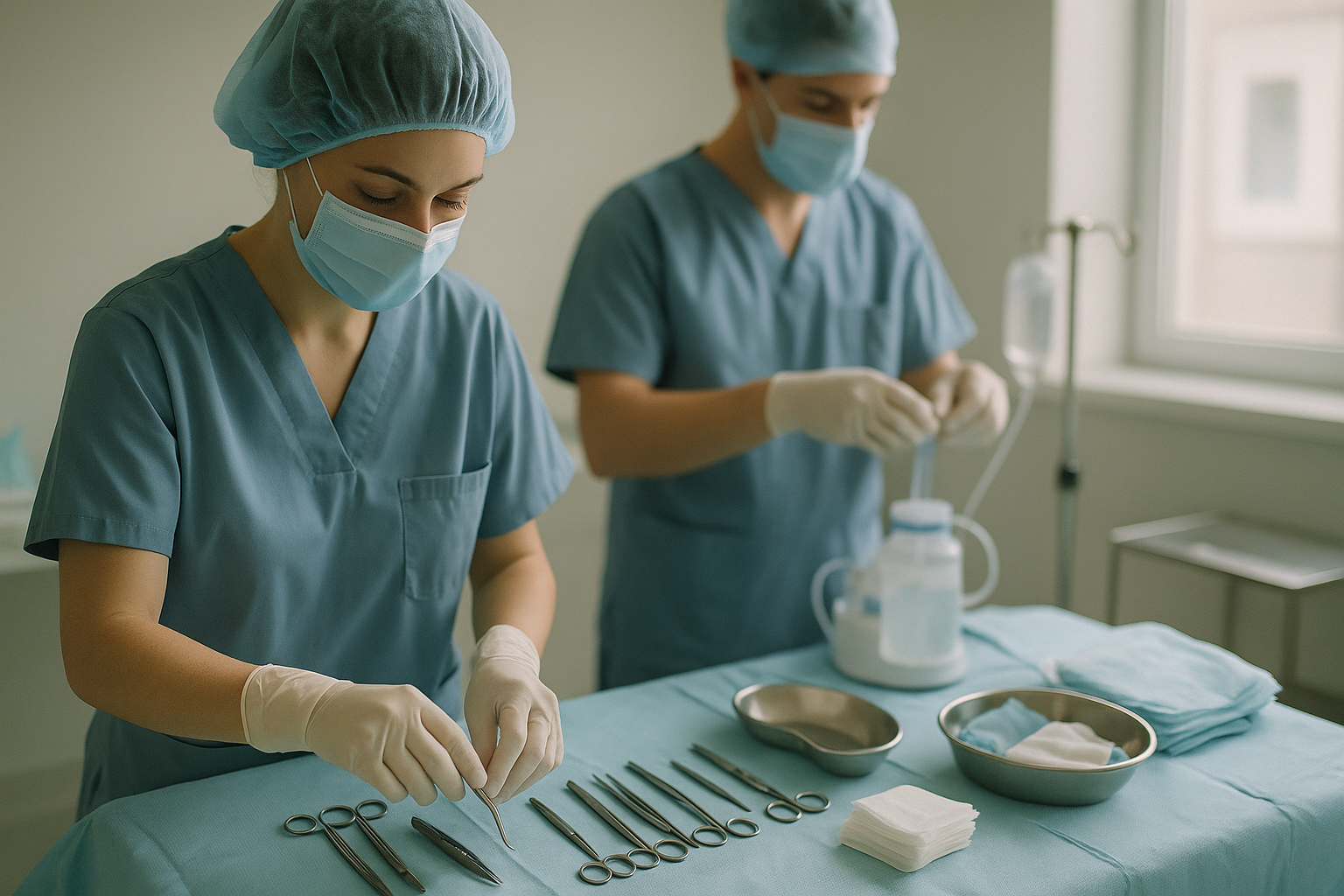
During a DHI session, the process begins with individually extracting hair follicles from the donor area. This is performed using a micro-punch tool similar to that used in FUE techniques. Extraction is meticulous, often taking several hours—most procedures last between 6 and 8 hours depending on the number of grafts required and the size of the recipient area. Once extracted, grafts are counted and sorted based on the number of hairs per follicle. Maintaining hydration is crucial, so the grafts are kept in a special solution until they are ready for implantation. Each graft is handled carefully to support viability throughout the preparation steps.
Implantation using the Choi pen
The next stage involves loading each prepared graft into a Choi implanter pen. This device streamlines the placement process, as the practitioner can implant follicles directly into the scalp in one precise motion. Unlike traditional methods that require prior channel creation, the Choi pen allows for simultaneous incision and implantation. This approach aims to limit the time follicles are handled and exposed, and may offer enhanced control over angle, depth, and density. For further insight into how follicle placement technique impacts outcomes, you can view results you can look at closely from a range of real procedures.
Precision and Potential Benefits of the DHI Technique
Controlling angle, depth, and direction
Direct Hair Implantation (DHI) uses a specialised implanter pen that enables the practitioner to insert each hair graft with careful control over the angle, depth, and direction. This tool allows for the placement of follicles at natural angles—typically between 30 and 45 degrees for the hairline, and steeper or shallower as needed for different scalp or facial areas. Depth can be adjusted for each graft, reducing the risk of damage to blood vessels or deeper tissues. Directional accuracy is especially important around the temples or the crown, where hair grows in changing patterns. According to the International Society of Hair Restoration Surgery (ISHRS), these features support natural-looking results when used by a skilled team.
Suitability for hairline, eyebrows, and beard
DHI is often chosen for areas where precision and density matter most. Hairline design, eyebrow reconstruction, and beard restoration all benefit from the ability to place each graft with millimetre-level accuracy. Sessions typically involve 2,000 to 3,500 grafts, making DHI suitable for small to medium areas or for refining details rather than treating full-scale baldness. For those considering fine work on the frontal scalp or facial hair, you can review examples of results achieved with comparable techniques. DHI’s approach can also be adapted for partial shaven procedures, which helps when discretion during recovery is a priority.
Limitations and Challenges of DHI Hair Transplantation
Who may not be suited for DHI
DHI may not be the ideal option for everyone. Individuals with extensive baldness often require more grafts in a single session than DHI comfortably allows. People with very curly or tightly coiled hair may face technical challenges during graft extraction and implantation, as the follicles are more vulnerable to damage. Those with certain medical conditions—such as bleeding disorders or poor wound healing—may not be suitable candidates for hair transplantation of any kind. In all cases, a specialist will assess your specific situation to determine eligibility.
Potential procedural challenges
The DHI technique is more demanding for both the practitioner and clinic staff. Each graft is implanted individually, which often results in longer sessions compared to strip (FUT) or standard FUE methods. The number of grafts that can be transplanted in one day typically ranges from 2,000 to 3,500, less than what’s possible with some other approaches. Bleeding control must be managed meticulously, as the open channels are created and filled immediately. DHI also requires a well-coordinated, experienced team to avoid technical difficulties such as misplaced grafts or variable density. These factors contribute to a more resource-intensive process, which may be reflected in the overall treatment plan.
Risks, Healing, and Possible Side Effects
Short-term side effects to expect
Mild side effects often develop in the days after a DHI hair transplant as the scalp recovers. Redness and swelling typically appear around the donor and recipient sites for several days. Small scabs may form at the implantation points and usually detach within 7 to 10 days. Temporary shedding of the transplanted hair—sometimes called "shock loss"—may occur in the first month and is part of the normal cycle, with regrowth starting over the following months.
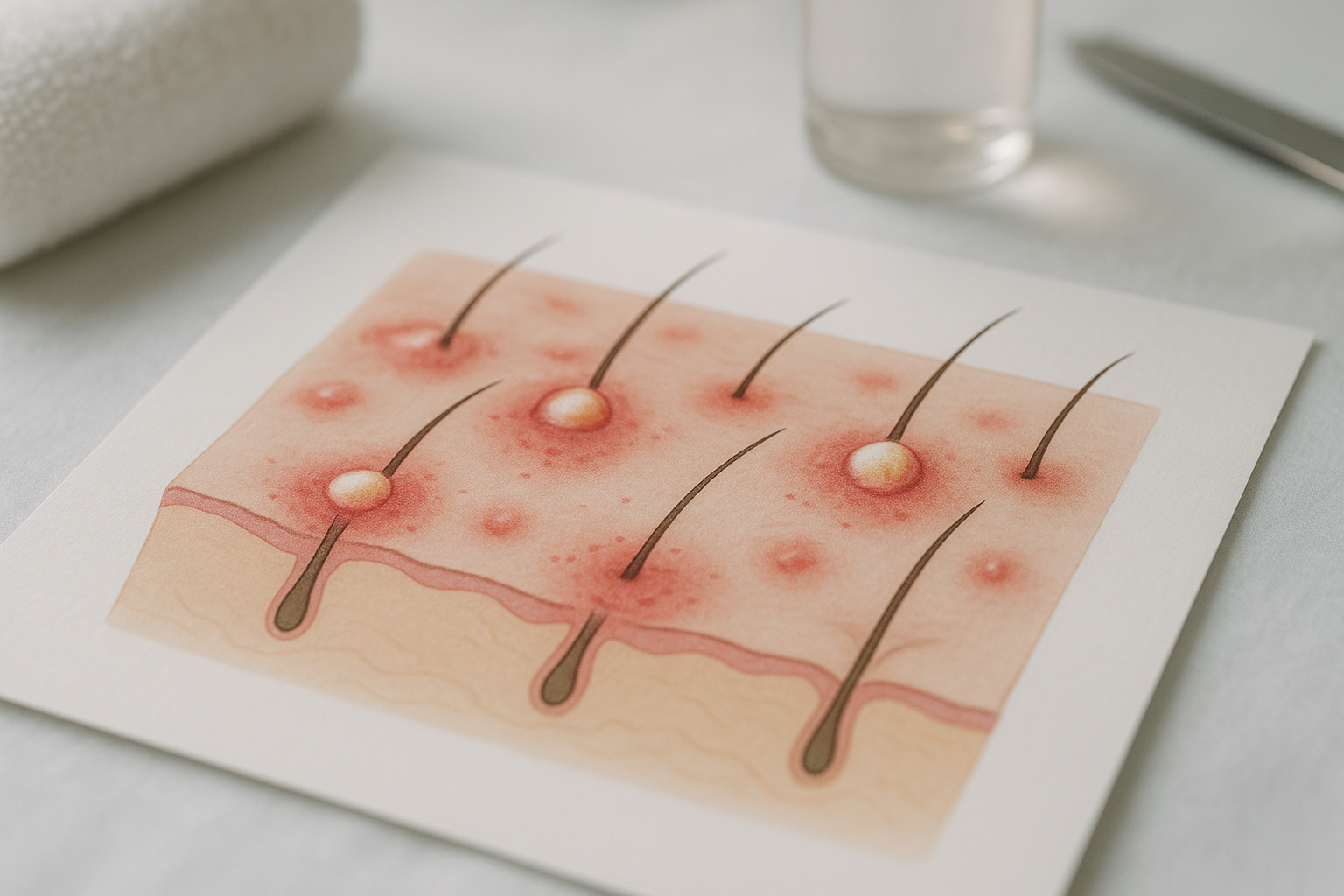
Though uncommon, infections can occur at incision sites. Folliculitis, or inflammation of hair follicles, may also develop in the weeks after the procedure; you can learn more about its symptoms and management in our article on how folliculitis develops and what eases the symptoms. Less frequently, some people experience prolonged redness, delayed healing, or uneven hair growth. Signs such as increasing pain, pus, or persistent swelling should be discussed with your medical team. The intensity and duration of side effects can differ, depending on individual scalp sensitivity and adherence to aftercare instructions.
Recovery timeline and aftercare
Redness and crusting are usually most noticeable for 10 to 14 days after the procedure. During this phase, gentle cleansing and avoiding scratching or picking at the scalp are important. Exposure to strong sunlight and strenuous activity should be minimized for about two weeks to help reduce swelling and irritation.
Hair regrowth is gradual, with new growth often starting to become visible around 3 months, and fuller results appearing over 6 to 12 months as transplanted follicles grow in natural cycles. Carefully following the aftercare guidance from your physician can help reduce discomfort and support healthy regrowth. If you would like to see examples of typical regrowth, results you can look at closely from other individuals are available for review.
The Critical Role of Physician Assessment
Why a full medical evaluation is essential
An in-depth consultation with a qualified physician is needed before scheduling a DHI hair transplant. This process helps identify health conditions or scalp issues that could influence safety or the approach to treatment. Conditions such as uncontrolled diabetes, autoimmune disorders, or active scalp infections may increase risk or affect eligibility. The physician also reviews medications, allergies, and previous procedures to assess for possible interactions or complications.
Direct examination of your scalp allows the physician to evaluate skin and hair health and discuss your expectations. If concerns about healing or underlying skin conditions are present, further assessment or alternative options might be suggested. The decision on whether DHI is appropriate is always made by the examining physician, based on your specific medical and scalp profile.
How suitability is determined
Suitability for DHI involves several factors. The donor area—usually the back or sides of the scalp—is checked to ensure enough healthy follicles are available. Hair features such as thickness, curl, and color are considered, since they influence the appearance of the outcome. Scarring, inflammation, or other scalp conditions are evaluated for their potential to affect healing or graft survival.
Medical history is reviewed to identify any chronic illnesses, medications, or lifestyle factors like smoking that could impact healing. If you want to compare DHI with other transplant approaches, our overview of hair transplant techniques explains how different methods are planned and performed.
Comparing DHI with Other Hair Transplant Techniques
DHI vs FUE: what’s truly different?
DHI (Direct Hair Implantation) and FUE (Follicular Unit Extraction) both relocate individual hair follicles, but differ in how follicles are placed. FUE requires extraction followed by the creation of tiny channels in the recipient area before grafts are inserted. DHI uses a specialized pen, allowing the physician to place follicles directly—combining channel creation and implantation in one step, which can offer more control over hair angle and depth. A session for either technique generally takes 6 to 8 hours for moderate areas, and more sessions may be needed for larger treatment needs. Both DHI and FUE avoid the linear scar seen in strip methods, and DHI is sometimes chosen for work in dense or delicate areas where precise placement is valued.
DHI compared with FUT (strip method)
FUT, or the strip method, involves removing a narrow strip of scalp, then dissecting it into follicular units. This approach can cover large areas in a single session but leaves a linear scar and typically requires a longer healing period, with visible signs for several weeks. DHI and FUE both extract follicles individually, resulting in smaller scars and healing milestones reached in about 10 to 14 days. Here is a summary of the main differences:
- Graft handling: DHI uses an implanter pen; FUE uses forceps after channel creation; FUT uses dissection from a strip.
- Session time: DHI and FUE: 6–8 hours per session; FUT: 4–8 hours per session.
- Healing: DHI and FUE: 10–14 days; FUT: 14–21 days.
- Visible scarring: DHI and FUE: small dots; FUT: linear scar.
- Suitability: DHI is often selected for precise or small areas; FUT is commonly used for larger zones in one session; FUE may suit both, depending on the treatment plan.
If you are comparing hair transplant procedures, you can find more details about each technique's process and recovery timeline.
| Technique | Extraction Method | Implantation Method | Channel Creation | Typical Session Size | Visible Scarring | Best For |
|---|---|---|---|---|---|---|
| DHI | Individual FUE micro-punch | Direct with implanter pen | Combined with placement | 2,000–3,500 grafts | Minimal, dot-like | Hairline, eyebrows, beard, small areas |
| FUE | Individual micro-punch | Manual or forceps | Pre-made channels | 2,000–4,000 grafts | Minimal, dot-like | General scalp, larger areas |
| FUT | Linear strip | Manual/forceps | Pre-made channels | 3,000–4,500 grafts | Linear scar | Very large areas |
Practical Considerations for Planning Your DHI Procedure
Time, cost, and recovery factors
Planning for a DHI hair transplant involves considering the time needed for treatment and healing. A typical session lasts 6 to 8 hours, and those with advanced hair loss may require more than one session, spaced weeks or months apart. The overall cost depends on the size of the area, the number of grafts, and the experience of the team. Most individuals take a break from work for 7 to 14 days, as redness and small crusts are usually present during the early healing phase. Scalp appearance generally returns to a discreet look within two weeks, but new hair growth develops steadily over several months. For a closer look at real-world outcomes, you can review photos of previous cases from others who have chosen this approach.
Choosing a clinic and what to ask
Before making any decisions, meeting with a qualified physician for a consultation is important. Consider preparing questions such as:
- Who will perform the extraction and implantation?
- What experience does the team have with DHI procedures?
- How many grafts and sessions are anticipated for your case?
- What aftercare support is provided if questions or concerns arise?
- Which follow-up visits are included, and how is progress monitored?
These points can help you better understand each clinic's approach, safety practices, and support throughout your recovery.
Frequently asked questions
-
DHI uses an implanter pen to place each graft directly into the scalp without pre-made channels, while standard FUE involves creating channels before implantation. This difference allows for more precise control over graft placement, especially in detailed areas.
-
DHI often allows for partial shaving or limited shaving, especially in cases where only a small area is treated. For larger sessions, some degree of shaving is usually needed for optimal results, but this can be discussed with your provider.
-
DHI may not be an option for all individuals experiencing hair loss. Factors such as the extent of hair loss, scalp health, and the availability of donor hair are considered during an assessment. A medical professional can help determine if this technique is appropriate for your situation.
-
You may experience temporary redness, swelling, mild pain, crusting, or shedding of transplanted hairs. More serious side effects like infection or folliculitis are uncommon but possible. Most side effects resolve within two weeks.
-
Initial healing typically occurs within 10–14 days. Hair starts to regrow noticeably around 3–4 months post-procedure, with fuller results developing over 12–18 months.
-
The Choi pen is a fine, hollow needle device that holds a hair follicle and inserts it directly into the scalp at a precise angle and depth. This tool allows for careful placement and can reduce handling time for grafts.
-
Healing time for DHI and FUE is similar, with most visible healing completed in 10–14 days. Some people report slightly faster recovery from DHI due to less trauma to the scalp, but this varies by individual.
-
Yes, DHI is frequently chosen for eyebrow and beard restoration because of its precision in controlling the angle and placement of each graft.
-
A typical DHI session usually allows for 2,000 to 3,500 grafts, depending on factors such as the donor area, recipient site, and team experience.
-
A physician must assess your scalp health, donor area, medical history, and hair characteristics to determine if DHI is appropriate for you. Only a qualified medical professional can make this decision.
Sources
- International Society of Hair Restoration Surgery (ISHRS)
- European Academy of Dermatology and Venereology (EADV)
- British Association of Dermatologists (BAD)