
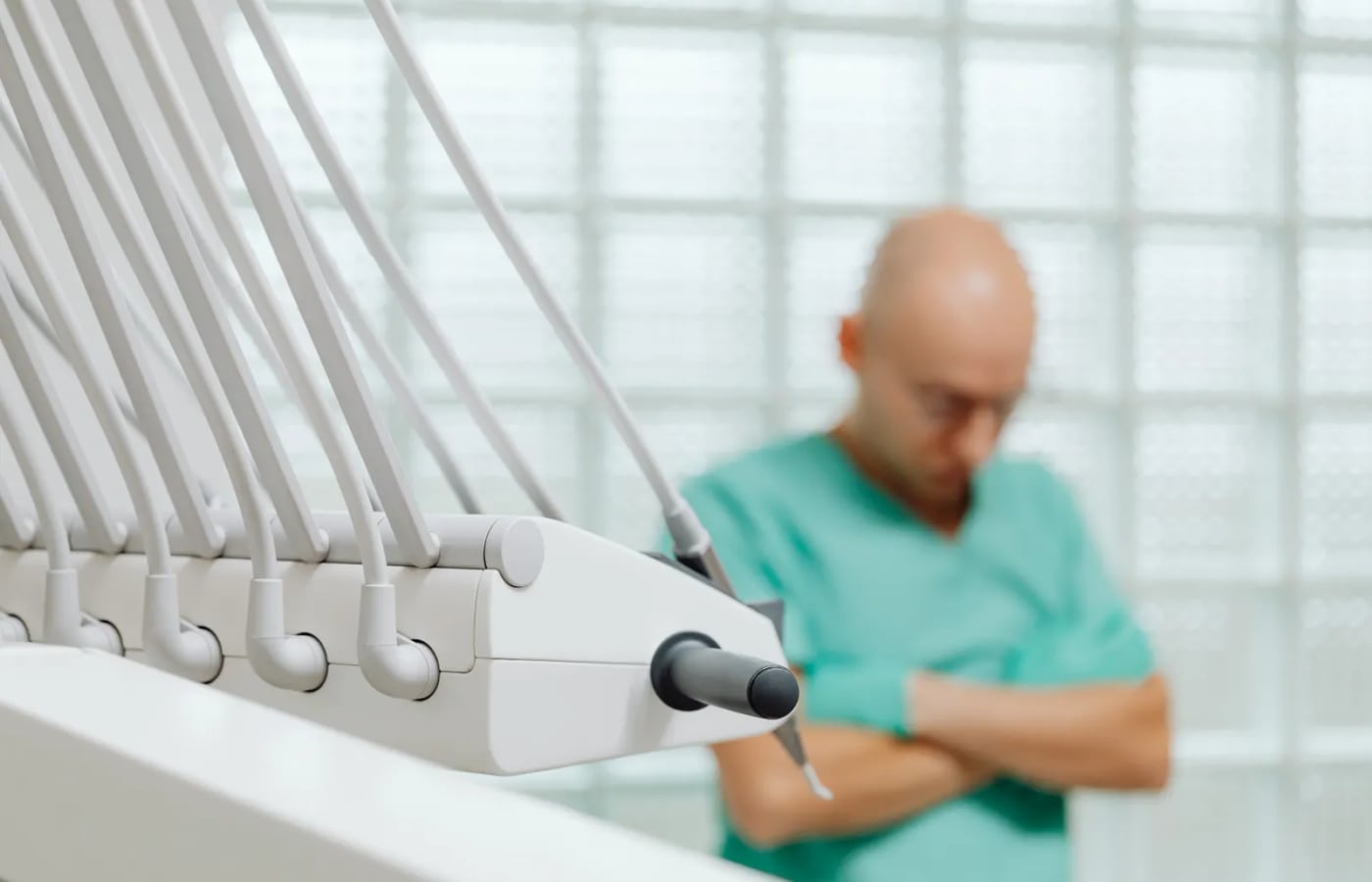
General dental care covers examination, scaling and cleaning, treatment of decay, root canal treatment, gum treatment and the management of pain. It is the foundation everything else rests on: no veneer, crown or implant lasts on inflamed gums or in a mouth that is not being kept clean.
Many people come to Istanbul with a cosmetic goal in mind and discover at the examination that some groundwork is needed first. This page explains what a proper assessment should produce, how the common treatments are carried out, how a stay is organised, and why planning and follow-up matter more than speed when treatment is done away from home.
Who this is for, and when to slow down
General treatment suits you if you have decay, broken fillings, a tooth that aches or reacts to hot and cold, bleeding or receding gums, or if you simply have not had a thorough check for some time. It is also the necessary first step before veneers, crowns, implants or whitening.
Some situations call for care before travel rather than a trip. Facial swelling, fever, or pain that wakes you at night can signal an infection that needs prompt local attention; do not wait for a flight. If you have heart conditions, take blood thinners or bisphosphonates, are pregnant, or have diabetes that is not well controlled, your dentist needs to know in advance, because it can change what is safe to do in a short stay. Advanced gum disease is usually managed over months, not days, and a single visit can only start that process.
How treatment is carried out
The examination comes first
A full assessment includes inspection of the teeth and soft tissues, probing of the gums, a look at how the bite meets, and imaging appropriate to the situation, from small radiographs to a panoramic view or 3D scan when needed. It should produce a plan in order of priority: first what hurts or is progressing, then what stabilises the mouth, and only then what is cosmetic. A quotation that inverts that order deserves a second reading.
Common treatments
- Scaling and polishing removes hardened deposits above and just below the gum line.
- Fillings replace decayed or broken tooth structure, usually with tooth-coloured composite.
- Root canal treatment cleans and seals the inside of a tooth whose nerve is inflamed or infected; a back tooth often needs a crown afterwards.
- Gum treatment cleans deeper pockets around the roots; its effect is judged at a later review.
- Extractions are considered when a tooth cannot be saved, with a plan for what replaces it.
Almost everything is done under local anaesthesia. The overall duration depends entirely on the plan, which is why it is listed as variable: a check-up and cleaning takes an hour, while several root canal treatments may need several appointments.
Finding the cause of pain
When you arrive with pain, the first task is to establish which tooth is responsible and why. A brief twinge with cold often points to decay or an exposed root surface; a spontaneous, throbbing, lingering ache suggests an inflamed nerve; sharp pain on biting can indicate a crack. That distinction decides between a filling, root canal treatment or simply monitoring. Mention pain you have been suppressing with painkillers, and which ones you take.
Planning your 3 – 7 days in Istanbul
Dental treatment normally needs a series of visits to plan, carry out and follow up, and a stay should keep that logic rather than compress it.
- Day 1: arrival, hotel, examination, imaging and a written plan in order of priority. Nothing irreversible should happen before you have read it.
- Days 2 – 3: urgent and stabilising work: cleaning, fillings, root canal treatment, extractions.
- Days 4 – 6: further sessions if the plan needs them, and a review of teeth already treated.
- Final day: a check, your records and aftercare instructions, and the flight home.
A simple check-up and cleaning fits into the short end; several root canals or a combination with crowns needs the longer end. If an extraction or surgical step was done, the dentist confirms you are fit to fly before departure.
What your written quote should cover
Esthappy organises the consultation, the dentist and clinic fees, your hotel, airport and clinic transfers, and an interpreter. The quote lists exactly what is included. Look for:
- the examination and every type of imaging planned;
- each treatment listed tooth by tooth, with the material used;
- whether a crown is needed after root canal treatment, and whether it is included;
- medication prescribed, if any;
- review appointments during the stay;
- what is left for a later visit or for your dentist at home.
Recovery, week by week
Same day: numbness wears off within a few hours. Avoid hot drinks and chewing on the numb side until feeling returns.
First week: a treated tooth can be tender to bite on for a few days, especially after root canal treatment; gums may be sore after deep cleaning. After an extraction, follow the instructions on rinsing, smoking and hard food so that the socket heals.
Weeks 2 – 4: sensitivity should be fading. Gums usually bleed less as inflammation settles, which is the first sign that cleaning is working.
Months 2 – 3: gum treatment is reassessed, ideally by your dentist at home, and any root-treated tooth awaiting a crown should be restored without long delay.
Risks and how they are reduced
European and Canadian dental bodies warn that compressed treatment abroad tends to come with very little pre- and post-treatment care, and they raise infection, nerve damage, failed restorations, overtreatment driven by commercial incentives, liability gaps and limited legal recourse. Two honest qualifications belong with that: there is no published comparison of complication rates between compressed and staged treatment, so these are professional positions rather than outcome data, and national dental associations have their own commercial interest in domestic treatment.
What reduces these risks is concrete: a plan that treats disease before cosmetics, enough time between key steps, imaging you can take home, a review before you fly, and a dentist at home ready to take over. Local anaesthesia itself is very safe; allergic reactions are rare, and telling the team about your medicines and health conditions keeps it that way.
Root canal treatment occasionally meets a separated instrument, a perforation or an infection that persists despite treatment, and lower extractions carry a small risk of nerve injury that can cause numbness. Imaging beforehand and referral to a specialist when a case is complex reduce these risks; if one occurs, you should be told and it should be written in your records.
Questions to ask before booking
- What did the examination find, and what is the order of priority?
- Which teeth need treatment now, and what can safely wait?
- Is root canal treatment completed in this stay, and will the tooth need a crown?
- What imaging will be taken, and will I get copies?
- How many review appointments are included before I fly?
- Who should I contact if pain or swelling appears after I return?
After you return home
Leave with a tooth-by-tooth record of what was done, your radiographs, the references of the materials used and written aftercare instructions in a language you and your dentist can read. Identify a dentist at home willing to handle reviews and any remedial work before you travel, not after something goes wrong. That arrangement, more than the price, is what separates a controlled plan from a gamble.
If a problem appears, send photos and a description to the team for remote advice. Swelling, fever or pain that keeps getting worse needs to be seen by a local dentist or doctor without delay. Before travelling, check whether your travel insurance covers complications of planned treatment; standard policies often exclude them.