
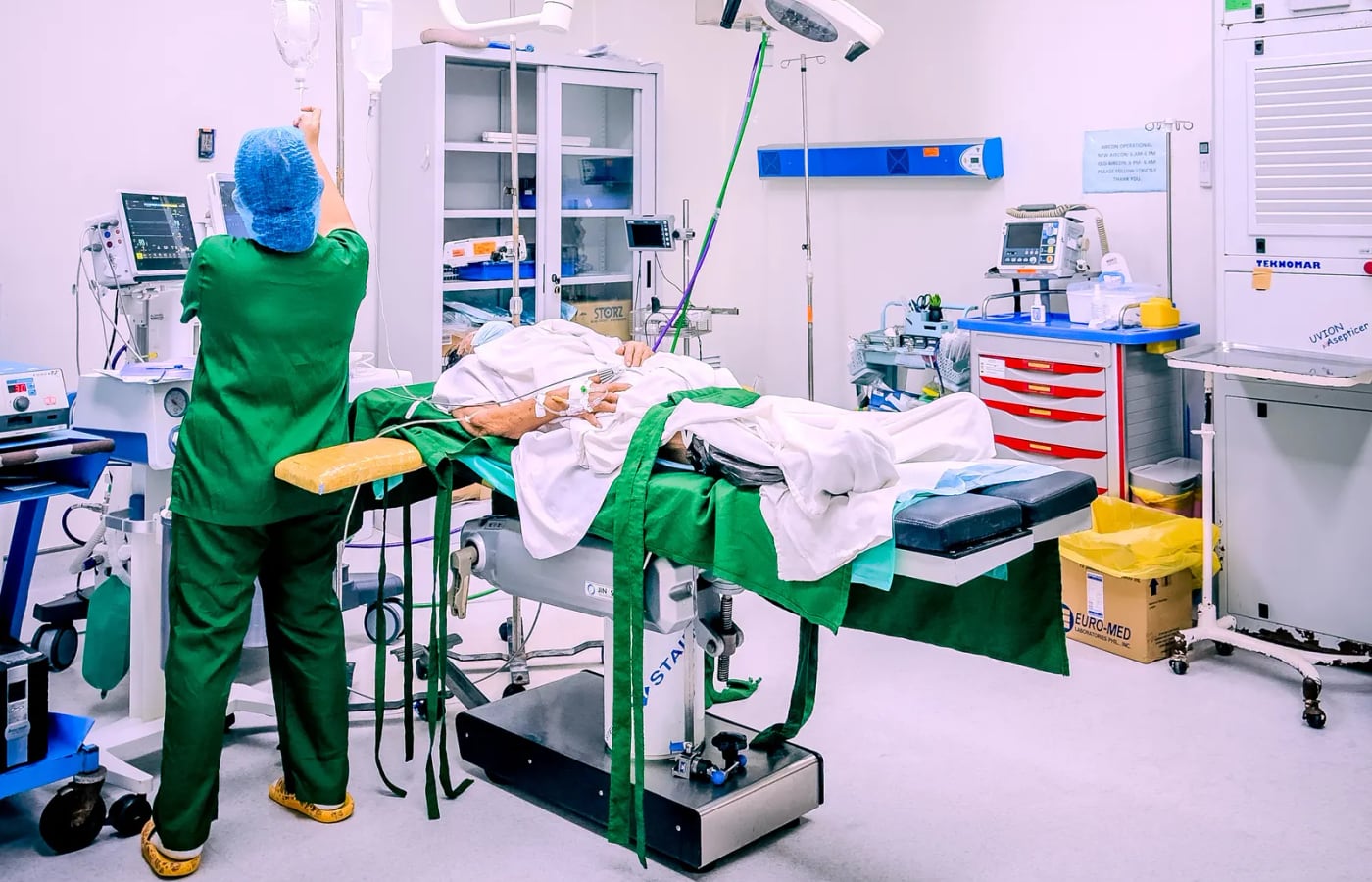
Abdominoplasty removes excess skin and fat from the abdominal wall and, where needed, tightens rectus muscles that have been separated by pregnancy or by a significant change in weight. It leaves a long, low horizontal scar that will fade but never disappear. It is neither a minor procedure nor a version of liposuction, and it should not be chosen as a convenience.
The decision therefore rests on three questions: whether the problem is really skin and muscle rather than fat alone, whether you can give the recovery the weeks it needs, and whether you understand how combining it with other operations changes the risk.
When a tummy tuck makes sense, and when it does not
The operation suits people whose abdomen has loose, overhanging or creased skin below the navel, often with a visible bulge from separated muscles (diastasis recti), that diet and core exercise have not corrected. A stable weight close to the level you intend to keep is important, because later weight gain stretches the result and a large weight loss after surgery can leave new laxity.
It is better to wait, or to choose another route, if:
- the issue is mainly fat with good skin tone, in which case liposuction alone may be enough;
- you are planning a further pregnancy, which can undo the muscle repair and stretch the skin again;
- you are still losing weight or intend to;
- you smoke or use nicotine and cannot stop for several weeks around the operation, since the skin flap depends on a good blood supply;
- you have a history of blood clots, uncontrolled diabetes, or heart or lung disease that has not been assessed;
- you have a hernia or previous abdominal scars that the surgeon has not yet examined.
Full, mini or extended: how the operation is done
A full abdominoplasty uses an incision from hip to hip, placed low enough to sit under most underwear. The skin is lifted up to the ribs, the rectus muscles are stitched back towards the midline, the excess skin is removed and the navel is brought out through a new opening. A mini-abdominoplasty treats only skin below the navel through a shorter scar, without moving the navel; it suits a limited excess and rarely corrects a diastasis above the navel. An extended abdominoplasty carries the scar further around the flanks, usually after major weight loss.
The operation is done under general anaesthesia and takes about two to four hours. Drains may be placed for a few days; some surgeons use internal tension sutures to reduce fluid collection and limit or avoid drains. Your surgeon should explain which variant is planned and why.
Eight to ten days in Istanbul
The length of stay is planned around healing and around the flight home. A typical sequence:
- Day 1: arrival, transfer to the hotel, consultation and examination, markings, blood tests and anaesthesia assessment, with an ECG or other tests where your health calls for them.
- Day 2: operation, then usually one night in the clinic with monitoring, pain relief and a first walk the same evening or the next morning.
- Days 3 to 5: hotel stay, short walks several times a day, slightly bent posture, compression garment worn day and night, drain care if drains were placed.
- Days 6 to 8: follow-up visits, wound checks and drain removal when the output has fallen.
- Days 8 to 10: final review. The surgeon confirms whether you are fit to fly before you are taken to the airport.
A companion is very helpful for the first days, when getting out of bed and carrying anything is difficult.
What the written quote should include
Esthappy organises the consultation, the surgeon's and clinic fees, hotel nights, transfers between airport, hotel and clinic, and an interpreter. Your written quote should list exactly what is included, in particular:
- the type of abdominoplasty planned and whether muscle repair is part of it;
- any additional procedure, stated separately;
- the nights in the clinic and in the hotel;
- the compression garment, medication and clot-prevention measures;
- the follow-up visits in Istanbul and the remote follow-up after your return.
Recovery is substantial
Expect to be away from desk work for about three to four weeks, and from physically demanding work and exercise for four to six weeks or longer. A compression garment is worn for six weeks. Lifting, carrying children and driving all fall inside that window, so the practical question is who covers those weeks for you at home, rather than how many nights the clinic includes.
- Week 1: tightness and discomfort, managed with medication; you walk bent slightly forward.
- Weeks 2 to 3: posture straightens, swelling begins to fall, short daily walks lengthen.
- Weeks 3 to 4: return to desk work for most people; driving once you can brake and twist comfortably.
- Weeks 6 to 8: the garment comes off, light exercise resumes; abdominal training only when your surgeon agrees.
- Months 3 to 18: residual swelling settles over several months; the scar fades over twelve to eighteen months. Numbness of the abdominal wall can last from months to years.
Combining operations raises the risk
The major complication rate is 4.0% for abdominoplasty against 1.4% for other cosmetic procedures. More usefully, it is 3.1% for abdominoplasty alone but 10.4% when it is combined with liposuction and body contouring. Combining procedures in one sitting more than triples the risk, which is worth weighing against the package deals common in medical travel.
The main complications are seroma (fluid under the skin, sometimes needing drainage), haematoma, infection, wound breakdown at the centre of the scar, a scar that widens or thickens, irregularities, and venous thromboembolism. Risk is reduced by stopping nicotine, arriving at a stable weight, an individual clot-risk assessment with compression and early walking, anticoagulant injections where justified, and limiting the extent of combined surgery.
Flying home
Public-health guidance advises against flying for ten days after abdominal surgery. The reason is mechanical: intestinal gas expands by roughly 30% at cabin altitude, and a post-operative ileus then risks suture-line rupture, bleeding or perforation. Clot risk adds to this, rising on flights over four hours, with over six hours the usual threshold for preventive measures. Walk, take an aisle seat, wear graduated compression stockings of 15 to 30 mmHg, and note that guidelines advise against aspirin for this purpose. The operating surgeon's clearance overrides any booking.
Questions to put to the surgeon
- Do I need a full or a mini abdominoplasty, and will my muscles be repaired?
- Where exactly will the scar lie, and how long will it be?
- Will drains be used, and for how long?
- What clot prevention will I receive, and what is my individual risk?
- If you suggest adding liposuction, how does that change my risk?
- On which day do you expect to clear me to fly?
- What happens if a wound opens or a seroma forms after I go home?
After you return home
Remote follow-up continues with photos of the scar and abdomen at agreed intervals, and the team passes your questions to the surgeon. See a doctor locally the same day for calf pain or swelling, breathlessness, chest pain, fever, spreading redness or a fast-growing swelling.
Ask for the operation note and discharge summary in full, in English, and decide before you leave who at home will remove stitches if needed and check your wounds. Standard travel insurance often excludes surgical complications, so check what your cover includes and whether medical repatriation is covered. Keep in mind too that a clinic's accreditation does not by itself secure a good result; the plan, the surgeon and your own preparation all count.