
Breast reduction, or reduction mammaplasty, removes part of the gland, fat and skin to make the breasts smaller, lighter and higher. For many people the reason is as much physical as cosmetic: heavy breasts can cause neck, shoulder and back pain, deep grooves from bra straps, and irritated, sometimes infected skin in the fold beneath the breast. Exercise, finding clothes that fit and even sleeping comfortably can become difficult.
Reduction is one of the plastic surgery operations most consistently associated with relief of symptoms and high satisfaction in published studies. It still involves scars, a recovery of several weeks and changes you need to understand before deciding, especially about sensation and breastfeeding.
Who a breast reduction suits
You may be a good candidate if the size and weight of your breasts cause persistent symptoms or limit daily life, your weight has been stable, your general health allows surgery and you accept the scars that come with it. Typical complaints include:
- neck, upper back and shoulder pain not explained by another cause;
- shoulder grooves from bra straps;
- rash or skin infection (intertrigo) under the breasts, especially in warm weather;
- difficulty with sport, posture or finding clothes that fit.
Some situations call for a pause or a different plan. If you are planning to lose a lot of weight, it is usually better to reach a stable weight first, because weight loss changes the breasts. If a pregnancy is planned soon, the breasts will change again. Smoking significantly increases wound-healing problems and should be stopped well before surgery. Any breast symptom must be investigated first. A mammogram, or an ultrasound depending on your age, is recommended before surgery when it is age-appropriate, and the removed tissue is routinely sent for examination under the microscope.
In some countries, public health insurance may cover a breast reduction when medical criteria are met, such as documented symptoms or a minimum weight of tissue to be removed. Check with your home health system before you decide, as the rules and paperwork differ.
How the operation is done
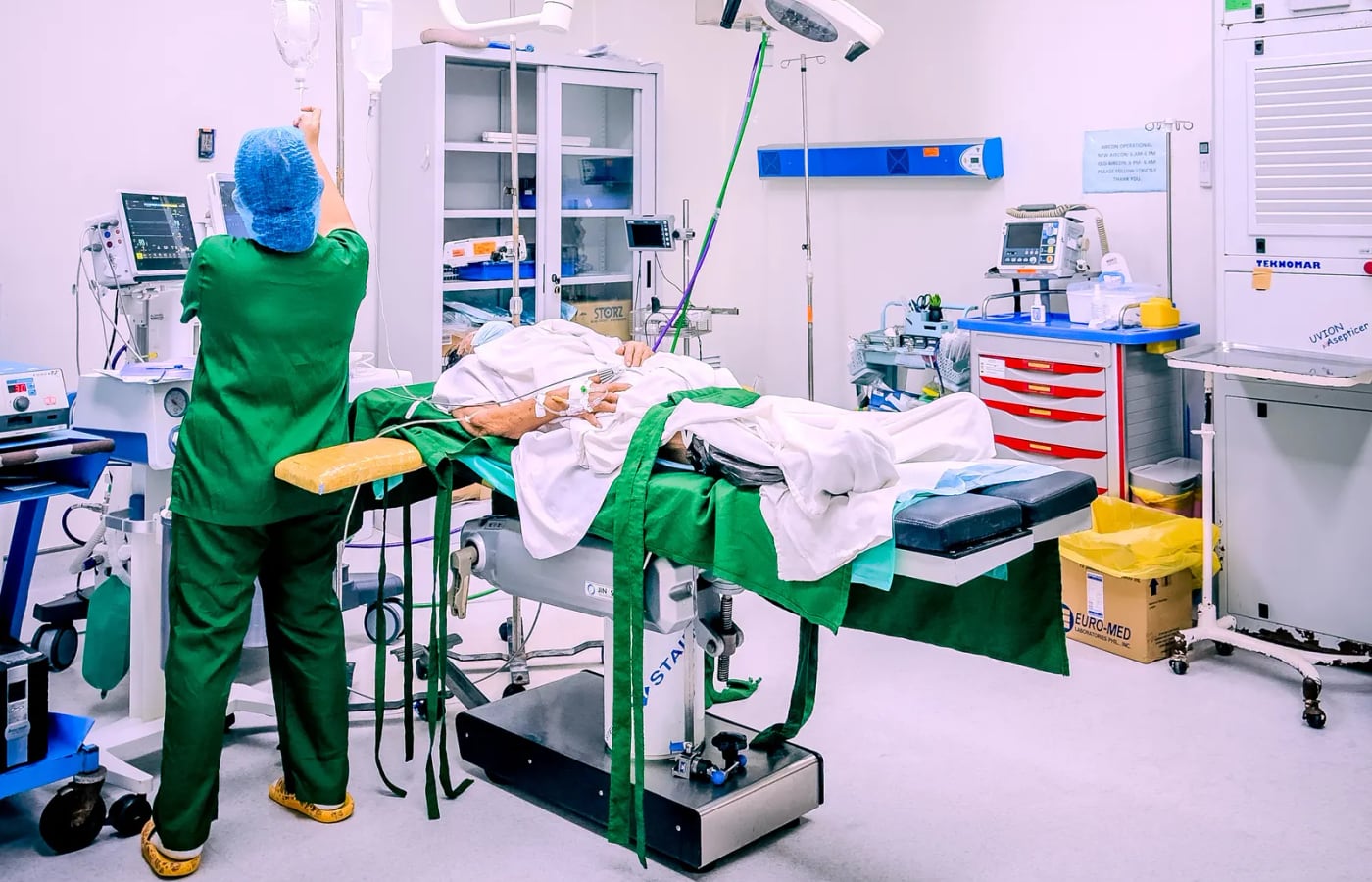
Reduction is performed under general anaesthesia and usually takes two to four hours, depending on breast size and technique. The surgeon keeps the nipple and areola attached to a carefully designed bridge of tissue, called a pedicle, which carries its blood supply and nerves, removes the excess around it and reshapes what remains into a smaller, higher breast. The areola is usually made smaller too.
- Vertical (lollipop) pattern: a scar around the areola and a vertical line below it; often used for small to moderate reductions.
- Inverted T (anchor) pattern: adds a horizontal scar in the fold; suits larger reductions where more skin must be removed.
- Free nipple graft: for very large breasts, the nipple and areola may be removed and replaced as a skin graft. It is safer for the blood supply in those cases, but sensation and the ability to breastfeed are lost.
- Liposuction alone: occasionally suitable when the breast is mostly fatty and the skin is firm, with little lift.
Drains are sometimes placed for a day or two. The exact volume removed is decided with you beforehand, within what the blood supply and your proportions allow.
Talk about size in terms of proportion and comfort rather than a cup letter: bra sizes vary between brands and countries, and the aim is a breast that suits your frame and no longer causes symptoms. Some difference between the two sides may remain, as it usually exists before surgery too.
Your stay in Istanbul: six to seven days
Before you travel, gather your latest breast imaging reports, a list of your medication and any important medical documents. Blood thinners, some herbal supplements and hormone-containing medicines may need adjusting before surgery: do not stop them on your own, but share them with the team in advance. Front-fastening, loose clothes make the first days easier.
- Day 1: arrival, transfer, consultation with measurements and photographs, review of your recent breast imaging, blood tests and anaesthetic assessment.
- Day 2: the operation and one night in the clinic, in a support bra.
- Days 3 to 5: rest at the hotel with regular short walks, removal of drains if used, and a wound check.
- Days 6 to 7: final review, dressing and bra instructions, and the surgeon's fit-to-fly decision. General guidance after breast surgery is to wait five to seven days before flying; on longer flights, compression stockings, hydration and moving regularly lower the clot risk.
What the written quote should include
Esthappy organises the consultation, the surgeon and clinic fees, hotel, transfers and an interpreter. The quote lists exactly what is included: check the technique, the clinic night, tests, the pathology examination of the removed tissue, support bras, medication, the checks during your stay and remote follow-up afterwards. If you intend to seek reimbursement at home, ask for an itemised invoice and a medical report in a language your insurer accepts.
Recovery, step by step
- Week 1: soreness and tightness, tiredness, arms kept low. The relief of weight on the shoulders is often noticed early.
- Weeks 2 to 3: most people return to desk work. Physical jobs need longer.
- Weeks 3 to 6: the support bra is worn day and night as advised. Light activity increases; running, upper-body training and heavy lifting wait until about six weeks.
- Months 3 to 6: swelling settles, the breasts soften and the final shape emerges.
- Months 12 to 18: scars mature and fade, though they remain visible on close inspection.
Sleep on your back with your head slightly raised for the first weeks. Silicone sheets and sun protection help the scars, and written instructions on showering and dressings are given before you leave.
Risks and how they are reduced
The most common problem is delayed healing, often a small area where the scars meet, which usually heals with dressings. Other risks include bleeding, haematoma, infection, wide or thick scars, asymmetry, fat necrosis (firm lumps that may need checking on imaging), changes in nipple sensation and, rarely, partial or complete loss of the nipple and areola if the blood supply fails. Blood clots are a risk after any longer operation.
Sensation in the nipple may increase, decrease or stay the same; it often improves over months. The ability to breastfeed may be reduced, so if this matters to you, discuss it openly. Stopping smoking, reaching a stable weight, careful planning of the pedicle, early walking and following wound-care instructions all lower the risks.
Questions to ask before booking
- Which technique and scar pattern do you suggest for me, and why?
- Roughly how much tissue do you expect to remove, and what size is realistic for my frame?
- Is a free nipple graft likely in my case?
- How might the operation affect sensation and breastfeeding?
- Will the tissue be examined, and how will I receive the result?
- If a wound problem or asymmetry appears after I am home, what happens and whom do I contact?
- What documents will I receive for my insurer or doctor at home?
Follow-up once you are home
You take home the operative report with the technique and the weight removed from each side, the pathology result when available, the discharge summary and your medication list. Send photographs at the agreed intervals for remote follow-up. See a local doctor promptly for fever, spreading redness, discharge, sudden swelling of one breast, darkening skin around the nipple, calf pain or breathlessness. Continue the breast screening recommended for your age and tell the radiographer about your operation, since scar tissue can show on imaging.