
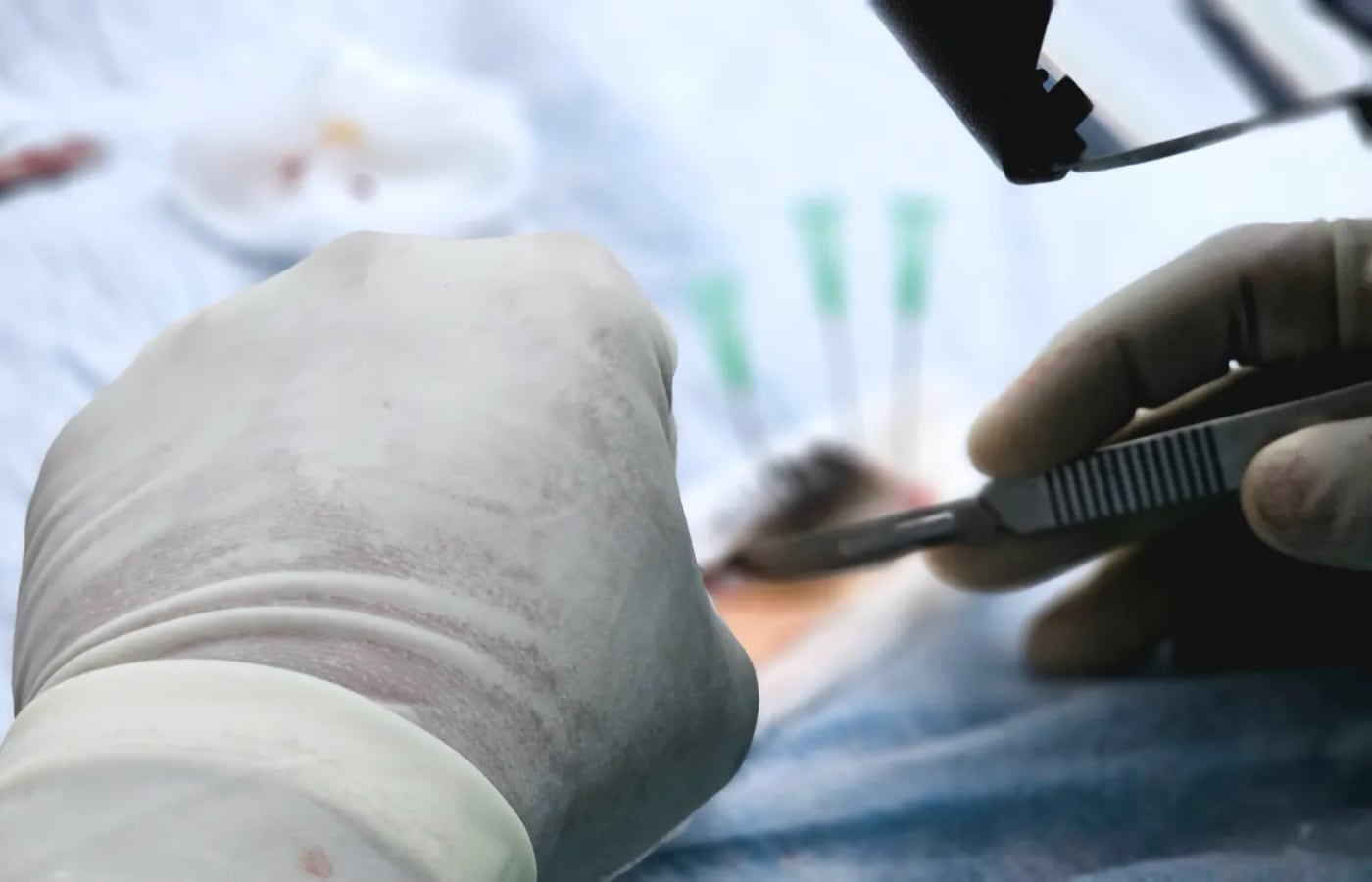
A repair transplant is an operation on a scalp that has already been operated on. The aim is to correct what a previous procedure left behind: a hairline that sits too low or too straight, grafts that look like clusters or plugs, hair growing in the wrong direction, density that never arrived, visible scars, or a donor area that was thinned by excessive harvesting. Each of these problems has a different solution, and some can only be improved, not fully undone.
That is why a repair begins with an honest inventory rather than a graft number. How much usable donor hair is left, what can be moved, what should be removed and what can only be camouflaged decide the plan. Repair work is often slower and more technical than a first transplant, and it sometimes takes more than one session.
When a repair makes sense, and when to wait
A repair is worth discussing if your first transplant has fully matured and you are unhappy with how it looks. The common reasons are:
- an unnatural hairline: too low, too straight, too sharp at the temples or not matched to your face and age;
- pluggy or tufted grafts, often from older techniques or large multi-hair units placed at the front;
- wrong angles or directions, so that hairs stand up or point sideways;
- low density, because graft survival was poor or too few grafts were placed;
- visible scars, either a strip scar or white dots from FUE;
- an over-harvested donor area that looks moth-eaten or see-through.
Timing matters. A transplant needs about 12 months, sometimes longer at the crown, before its result can be judged. Operating earlier risks correcting a problem that would have improved, or damaging grafts that are still growing. For most people, waiting at least 12 months after the previous surgery is the minimum.
A repair may not be advisable if the donor area is so depleted that further extraction would make it look thin, if your hair loss is still progressing quickly without treatment, or if the scalp has active inflammation or scarring alopecia. In those cases, medical treatment, scalp micropigmentation or simply accepting a partial correction can be the wiser choice.
The repair toolkit
Repair surgery under local anaesthesia combines several techniques, chosen for your situation:
- Graft removal. Badly placed grafts, typically at the very front of the hairline, are removed one by one with a small punch. Where possible they are kept and reused in a better position. Removal leaves tiny marks that usually heal well, and hairs sometimes regrow from follicles left partly behind.
- Relocation and refinement. Removed or divided grafts are re-implanted as single-hair units at a natural angle, softening the hairline and breaking up plugs. Fine single hairs placed in front of old grafts can also camouflage them.
- Adding density. If donor reserves allow, new grafts are placed between existing ones, with care not to damage grafts already growing.
- Scar FUE. Grafts can be implanted into a strip scar to make it less visible. Scar tissue has a poorer blood supply, so survival may be lower than in normal skin, and a test area is sometimes used.
- Alternative donor areas. When the scalp donor is exhausted, beard or body hair may be considered, mainly for density behind the hairline or for scars, with honest discussion of their different texture.
- Scalp micropigmentation (SMP). Medical tattooing with tiny dots can reduce the contrast of a thin donor area or a scar. It is an adjunct, not a substitute for hair, and is often done months after surgery.
The duration depends on the plan: a small hairline correction can take around four hours, while removal combined with new grafts may take a full day.
Your three days in Istanbul
- Day 1 – assessment. You are met at the airport and taken to your hotel. At the clinic, the surgeon examines the previous work under magnification, measures the remaining donor density and reviews any records you bring from the first procedure. The plan is drawn on your scalp and agreed with you. Blood tests are taken.
- Day 2 – the repair. Local anaesthesia, then graft removal, refinement and implantation as planned. Breaks are included. You return to the hotel in the evening with written instructions and medication.
- Day 3 – check and wash. The team examines the treated areas and the donor, performs the first wash and explains the routine. If all is well, the surgeon confirms you are fit to fly before your transfer to the airport.
What your written quote should spell out
Esthappy organises the consultation, the surgeon and clinic fees, the hotel, transfers and an interpreter throughout. For a repair, the written quote should be especially precise:
- which techniques are planned: removal, re-implantation, new grafts, scar FUE;
- the expected number of grafts to remove and to place, as a realistic range;
- whether SMP is part of the plan and, if so, when and where it would be done;
- local anaesthesia, medication and care products;
- the hotel nights, transfers and post-operative check;
- how follow-up works and what happens if a second stage is recommended.
Recovery, week by week
Week 1: there is mild swelling, small crusts and some redness where grafts were removed and placed. Most people return to desk work after 5 to 7 days, as repair areas at the hairline can stay visibly pink a little longer.
Weeks 2–4: crusts fall away and redness fades gradually. Avoid sun, saunas and contact sports until cleared. New grafts shed, which is expected.
Months 3–6: regrowth begins in the treated areas. Removal sites flatten and become less noticeable.
Months 9–12 and beyond: the corrected hairline matures. Grafts in scar tissue can take longer. The result is judged at around 12 months, and only then is any further stage planned.
Risks, and the limits of a used donor
Repair carries the usual risks of hair transplantation: infection, folliculitis, temporary numbness and shock loss of nearby hair. Specific to repair are lower survival in scarred tissue, the chance that removed grafts regrow partially, and further thinning of an already used donor area. Careful mapping, conservative extraction and a staged approach reduce these risks.
The most important limit is the donor itself. Every graft taken once cannot be taken again. If the first procedure used a large share of your reserve, the repair has to prioritise what is most visible, usually the hairline and the frontal area, and accept compromises elsewhere. A surgeon who explains these limits clearly is protecting your future options.
Questions to ask before you commit
- How many usable grafts do you estimate remain in my donor area?
- Which grafts would you remove, and can they be reused?
- What can realistically be corrected, and what can only be camouflaged?
- Will this take one session or several?
- Would SMP or medical treatment help, either instead of or alongside surgery?
- How do you protect the grafts from my first operation that are already growing?
Follow-up after you go home
The team asks for photos at agreed points, typically at one, three, six and twelve months, and reviews progress through your coordinator. See a local doctor promptly for spreading redness, pus, fever or increasing pain. You take home a medical report listing what was removed, what was placed and where, together with care instructions and your prescriptions. Keep it with the records of your first transplant, as it will matter for any future treatment.