
A face and neck lift repositions the deeper tissues of the lower face and neck and then removes the skin that is left over. Contrary to the common picture, it is not skin tension that produces the result; it is the resuspension of the underlying muscular and fascial layer, known as the SMAS. Skin pulled on its own looks tight and unnatural and relaxes again quickly, which is why a well-planned lift works mainly beneath the surface.
A facelift does not stop time, and it is not the answer to every sign of ageing. Understood correctly, it can restore a clearer jawline and neck in a way that still looks like you. This page explains what the operation changes and what it does not, how your week in Istanbul is organised, how recovery unfolds and which questions deserve a clear answer before you book.
Who a facelift suits, and who should look elsewhere
The operation addresses a dropped jawline, jowls, deepening folds between the nose and mouth corners caused by descent, and a lost neck angle with loose skin or muscle bands. It is most often considered from the mid-forties onwards, but the deciding factor is what is happening in your face, not your age. Good candidates are in stable general health, have realistic expectations and are non-smokers or willing to stop well before and after surgery.
A facelift may not be the right step if your main concern lies elsewhere:
- Skin quality, pigmentation and fine surface lines are not changed by a lift; they respond to skin treatments such as peels, lasers or medical skincare.
- Expression lines of the forehead and between the brows are recognised indications for botulinum toxin, not for surgery on the lower face.
- Tired or heavy eyes depend on the eyelids and brow; a facelift does not open the eyes.
- Mild early laxity may be better served by less invasive options, and it is worth asking whether surgery is truly needed yet.
Expecting a lift to solve everything is the commonest source of disappointment afterwards. High blood pressure must be well controlled before surgery, and blood thinners, certain supplements and hormone treatments are reviewed with the surgeon and your own doctor.
What is done during the operation
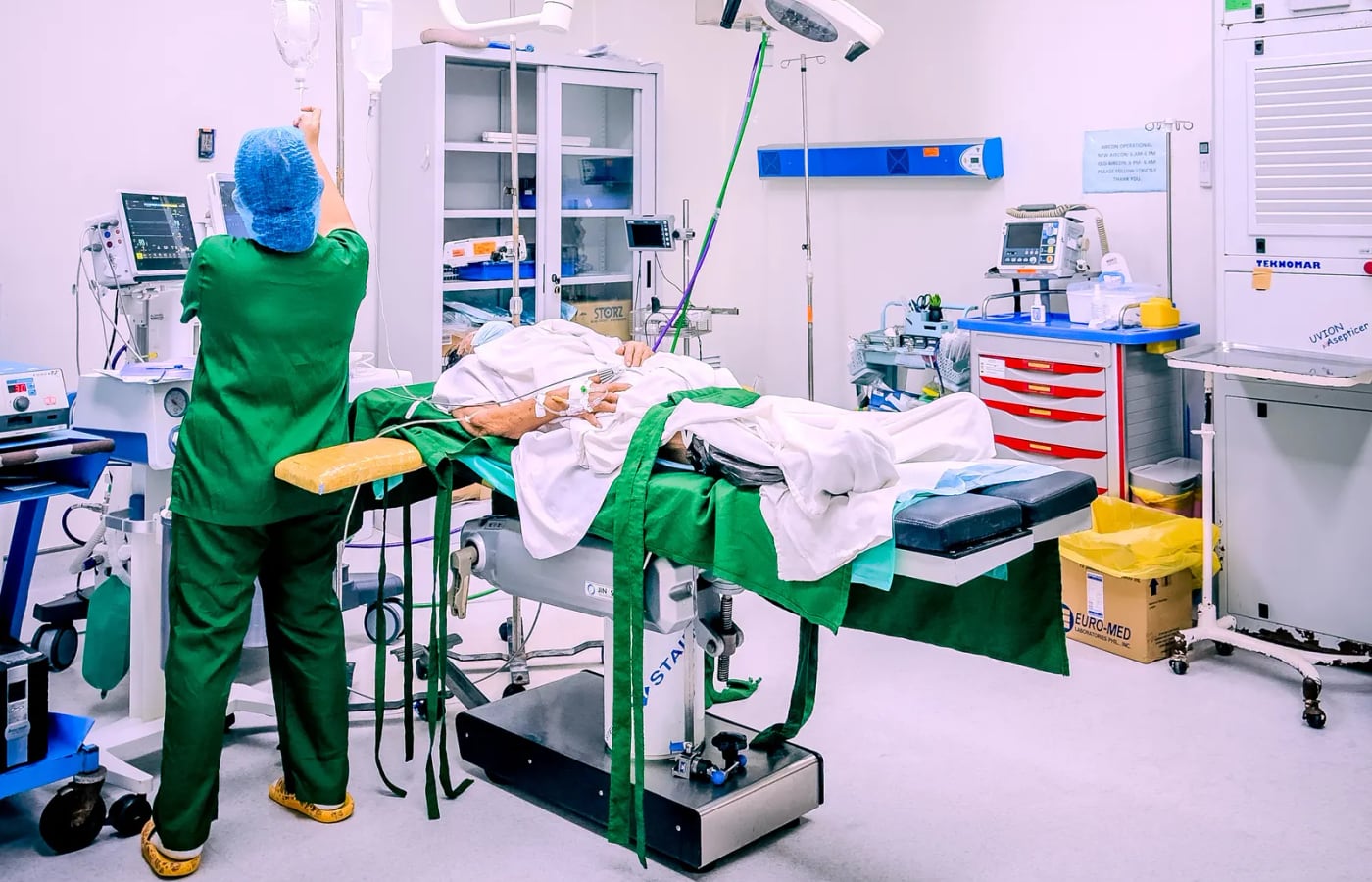
A facelift is performed under general anaesthesia and generally takes three to five hours, depending on whether the neck and other areas are treated at the same time. The incision follows the natural contour in front of the ear, passes around the earlobe and continues behind the ear into or along the hairline. When the neck needs work, a small incision under the chin is often added.
Working on the deep layer
Surgeons use different approaches to the SMAS: folding and stitching it, removing a strip and closing the gap, or releasing it more deeply so the tissues can move as one unit. Each has advantages and trade-offs in terms of effect, longevity and risk, and the right choice depends on your anatomy and the surgeon’s training. What matters is that you understand which approach is planned and why.
The neck and lost volume
Many lifts include neck work: tightening the platysma muscle bands at the midline and removing or redistributing fat beneath the chin. Where volume has been lost rather than displaced, small amounts of your own fat can be grafted into the cheeks or temples. Combining eyelid or brow surgery lengthens the operation and recovery and is decided case by case.
Your week in Istanbul
Plan on seven to eight days in Istanbul. A typical schedule:
- Day 1: arrival, transfer to your hotel, consultation, photographs, blood tests, blood pressure check and anaesthetic review.
- Day 2: operation; you spend the night in the clinic, often with a supportive head dressing and small drains.
- Day 3: dressing and drains removed, first wound check, return to the hotel.
- Days 4 – 6: rest with your head raised, cold compresses, short walks; a further check of swelling and incisions.
- Days 7 – 8: removal of most stitches, final review and written instructions. Travel guidance commonly suggests waiting about seven to ten days after facial surgery before flying; the operating surgeon examines you and is the only person who can confirm you are fit to fly, and a slightly longer stay is sometimes advised.
What your written quote should spell out
Esthappy organises your consultation, surgeon and clinic fees, hotel accommodation, transfers and an interpreter at every appointment. For a facelift, the quote should also state which areas are included (face, neck, fat grafting or other procedures), whether the night in the clinic, head garment, post-operative medication and stitch removal are covered, and how follow-up is arranged. The written quote lists exactly what is included.
Recovery, week by week
Week 1: swelling and bruising peak in the first days and may spread to the neck. The face feels tight and numb, especially around the ears and cheeks. Sleep with your head raised, avoid bending and straining, and keep your blood pressure low by resting. Pain is usually moderate and controlled with prescribed medication.
Weeks 2 – 3: most visible bruising fades and many people return to desk work after about three weeks. Light make-up can usually cover what remains once the incisions have healed. Be clear with yourself about how long you may want to stay out of view, since that period is usually longer than people plan for.
Weeks 4 – 6: exercise is gradually resumed with the surgeon’s approval. Residual swelling, numbness and firmness persist, particularly along the jaw and neck.
Months 3 – 12: the face settles and looks more natural month by month. Scars mature and fade over a year. The final result is judged at around six months to a year, and ageing continues afterwards.
Risks and how they are managed
- Haematoma (collection of blood): the most common early complication, usually in the first day. Controlling blood pressure, stopping certain medicines and supplements beforehand and calm early recovery reduce the risk; a significant collection is drained promptly.
- Facial nerve injury: weakness of part of the face is uncommon and usually temporary; surgical experience in the chosen plane matters.
- Skin healing problems: smoking compromises blood supply to the skin and is the major avoidable factor.
- Scars, earlobe distortion and hair loss near the incisions: reduced by careful incision design and tension-free closure.
- Asymmetry, numbness and infection: usually settle or can be corrected.
What to ask before you commit
- Which layer will you work on, and why that technique for my face?
- Exactly where will my scars run, in front of and behind the ear and under the chin?
- Is neck work or fat grafting needed, and what will a lift not change for me?
- What is the plan if a haematoma or asymmetry appears?
- How should I prepare: smoking, blood pressure, medicines and supplements?
- How long will visible bruising likely keep me out of view?
Be realistic about credentials too. Hospital accreditation assesses an institution’s safety and quality systems and can be verified publicly, but it says nothing about an individual surgeon’s training or experience with facelifts. Quality-management certificates document a management system, not clinical outcomes. Ask about the surgeon directly.
After you return home
Your surgeon follows you remotely through photographs at agreed intervals, typically at two weeks, one month, three months and six months. You take home an operative report, your medication list and written instructions on scar care and sun protection. Arrange local follow-up before you leave rather than after you land, so a doctor is ready to see you if needed. Contact a doctor promptly if one side of the face or neck becomes increasingly swollen, tense or painful, if you develop fever or a discharging wound, or if you notice new weakness of facial movement.