
Gynaecomastia is the development of breast tissue in men. It needs to be distinguished from simple fatty enlargement, because the two are treated differently: glandular tissue is excised, fat is removed by liposuction. Many cases involve both components, and the operation then combines the two steps in one sitting.
For many men the chest is a source of discomfort in clothes, at the beach or at the gym, sometimes for years. Surgery can help when the cause has been looked for and the expectations are clear. This page explains who it suits, how the operation is done, your days in Istanbul, recovery with the compression garment, the risks and the questions worth asking.
Find the cause before operating
Gynaecomastia can be linked to a medication, to substance use, including anabolic steroids, or to a hormonal, liver or, less often, testicular condition. These causes should be looked for before surgery, because if they persist the tissue can return. Recent, one-sided or painful enlargement deserves careful assessment rather than a quick operation; a firm lump on one side, a change in the nipple or discharge needs a medical examination before any cosmetic plan. In teenagers, breast development during puberty often settles on its own, so surgery is generally considered only once it has clearly persisted.
Who is a reasonable candidate
You are usually a reasonable candidate if the enlargement has been present and stable for some time, your general health is good, and your weight is close to where you intend to keep it. Weight stability matters, since later weight loss changes what the chest looks like. If much of the volume is fat and you are planning significant weight loss, doing that first often gives a better basis for surgery. Smokers are asked to stop for several weeks around the operation, as smoking slows healing.
How the operation is done
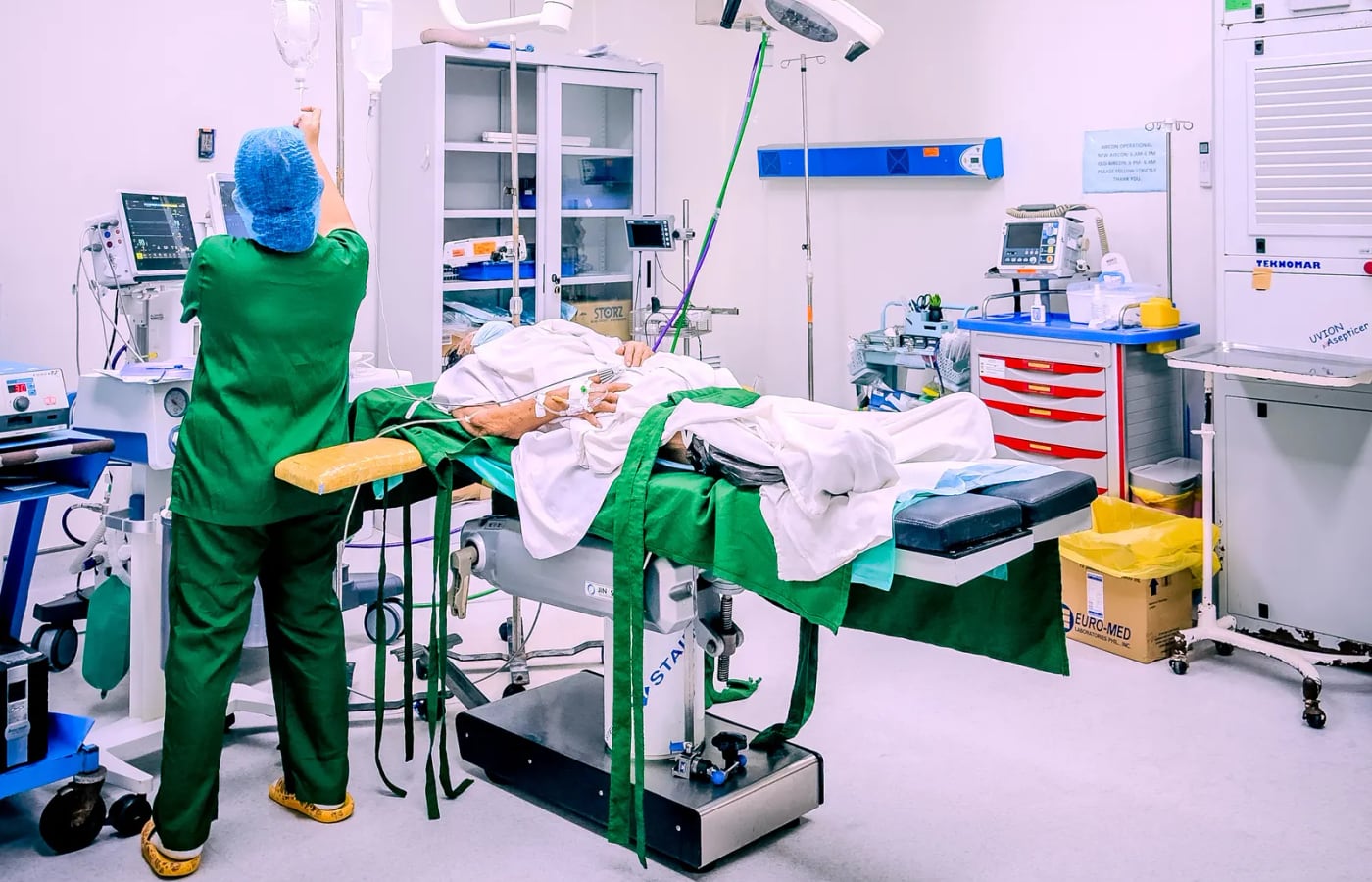
The operation is performed under general anaesthesia and takes about one to two hours. The plan depends on what the chest contains:
- Mainly fat: liposuction through small incisions removes fat and smooths the transition to the armpit and the upper abdomen.
- Gland, or gland and fat: after liposuction, the firm disc of gland behind the areola is removed through a short incision at the lower border of the areola.
- Loose skin: after large weight loss or with long-standing large volume, removing tissue alone may not be enough, and excess skin may need to be addressed separately, with longer scars. This should be said at the first consultation.
The aim is a flat chest with a natural contour and an areola that does not sit in a hollow, so the surgeon leaves a thin layer of tissue under the areola rather than removing everything. A small drain is sometimes left for a day or two. A compression garment is put on in the operating room.
Your days in Istanbul
- Day 1: airport transfer, consultation and examination, review of your medical history and medications, blood tests, hormonal tests when considered necessary, photographs and markings.
- Day 2: the operation. Depending on the extent of surgery and your recovery from anaesthesia, you spend one night at the clinic or return to the hotel.
- Day 3: check of the chest for bleeding, drain removal if one was used, and instructions for the garment and showering.
- Days 4 to 5: rest and walking, a final check, and the surgeon's confirmation that you are fit to fly.
Walking regularly and drinking enough water help prevent clots, particularly before a flight. The surgeon confirms fitness to fly at the last check.
What your written quote should cover
Esthappy organises the consultation, the surgeon and clinic, your hotel, transfers and an interpreter. The quote should list exactly what is included:
- the planned technique: liposuction, gland excision, or both, and whether skin removal is part of it;
- pre-operative tests, including hormonal tests if requested;
- surgeon, anaesthesia and clinic fees, and any overnight stay;
- histological examination of the removed tissue;
- hotel nights, all transfers and interpreter support;
- the compression garment, dressings and post-operative medication;
- check-ups in Istanbul, and what would be covered if a revision were needed.
Recovery from the first week to the final contour
Week 1: the chest feels tight, bruised and sore, more like stiffness after exercise than sharp pain, and ordinary painkillers usually suffice. The compression garment is worn day and night. Avoid raising the arms forcefully and lifting.
Week 2: most men return to desk work within one to two weeks. Bruising fades and walking is encouraged.
Weeks 3 to 6: the garment is usually continued for several weeks, as advised by the surgeon. Light cardio comes back first; upper-body weight training and chest exercises wait for the surgeon's clearance, often around the end of this period.
Months 2 to 6 and beyond: firmness and small irregularities soften as swelling settles. Numbness around the areola is common at first and usually improves. The main scar sits at the lower border of the areola and fades over months. The final shape is only visible once swelling has fully settled, which takes months.
Risks and how they are reduced
- Haematoma: bleeding under the skin is the commonest early problem after this type of resection. Careful control during surgery, compression, avoiding blood-thinning medicines as advised and an early check reduce it; a chest that swells quickly on one side needs prompt review.
- Seroma: a collection of fluid that may need draining with a needle.
- Contour problems: the defects most often corrected at a second operation are over-resection under the areola leaving a depression, and contour irregularity at the edges of the treated area. A measured resection and blending liposuction help prevent them.
- Residual tissue or asymmetry: some tissue may remain, and small side-to-side differences are common.
- Changes in nipple sensation and visible scars: usually temporary for sensation; scars vary between individuals.
- Recurrence: possible if the underlying cause, such as a medication or steroid use, continues.
- General anaesthesia and clots: assessed beforehand and reduced by early walking.
Questions to ask before you book
- Is my enlargement mainly gland, mainly fat, or both?
- Were hormonal blood tests considered necessary, and why?
- Will the excised tissue be sent for histological examination?
- How will a depression under the areola be avoided?
- Will loose skin be a problem in my case, and what would that mean for scars?
- How would a haematoma be managed, in Istanbul and after I return?
- How long must I wear the garment, and when can I train again?
After you return home
Send photographs of your chest at agreed intervals so the surgeon can follow progress remotely; your interpreter stays your point of contact. Arrange a doctor at home who will see you in the weeks after you return. See a doctor promptly for rapid swelling on one side, increasing pain, redness, discharge, fever, or calf pain or breathlessness. Take home the operative report, the histology result when available, the discharge summary, your medication list and the instructions for the garment.