
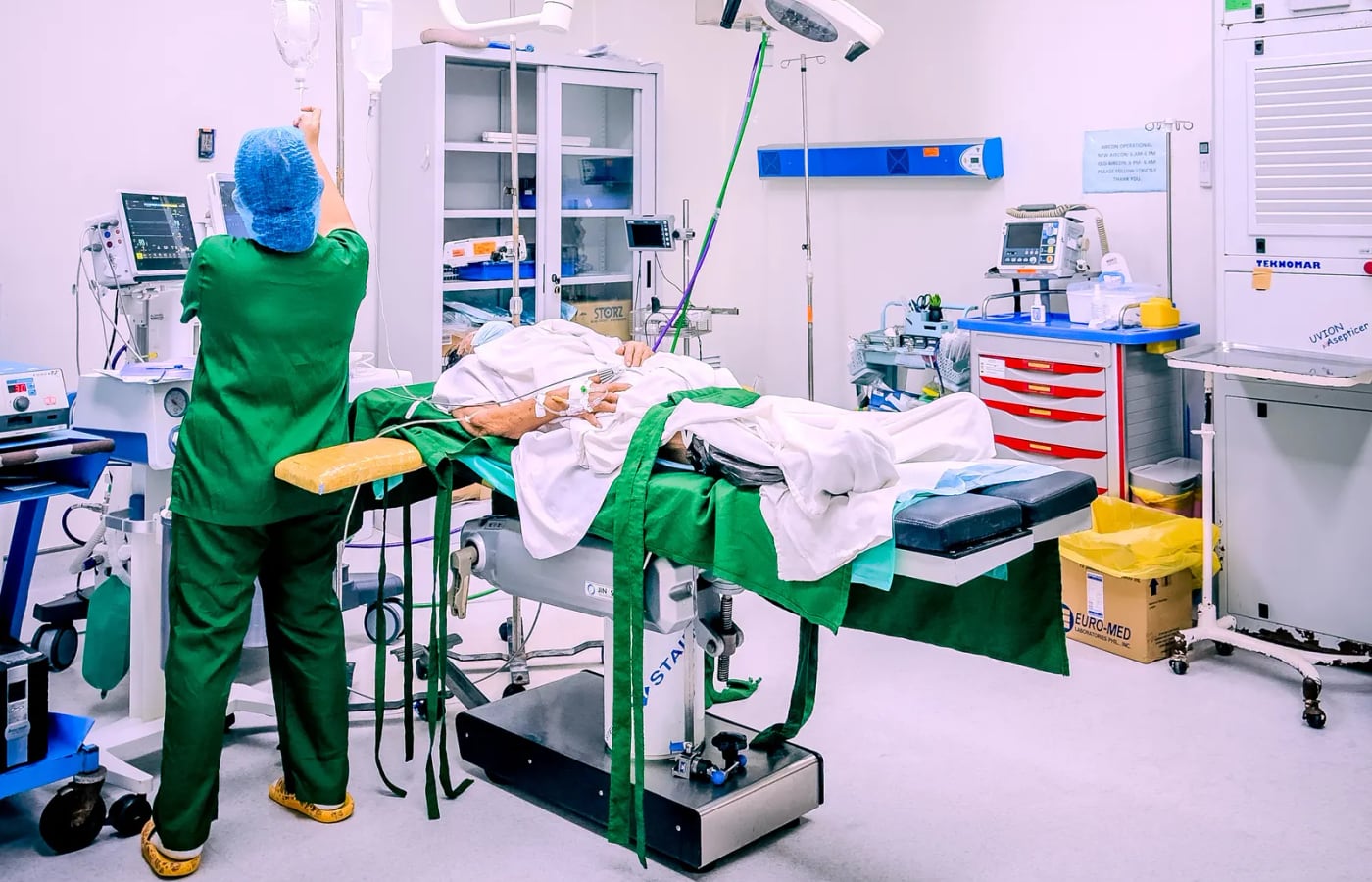
A mommy makeover is not a single operation but a plan that combines several: most often an abdominoplasty with repair of separated abdominal muscles, a breast lift with or without implants, and liposuction of areas such as the flanks. It addresses changes that pregnancy and breastfeeding can leave behind and that exercise does not reverse: loose abdominal skin, a widened gap between the rectus muscles, and breasts that have lost volume or position.
Because several procedures are carried out together, the operation is longer, the stay in Istanbul is longer and the recovery asks more of you and of the people around you at home.
Is this the right moment for you?
The combination suits women who feel their family is complete, whose weight has been stable for several months at or near a level they can keep, and who have finished breastfeeding. Surgeons generally advise waiting six to twelve months after breastfeeding ends, so that the breasts settle to their new volume and the hormonal changes of lactation fade. Operating too early makes the breast result harder to predict.
A further pregnancy after abdominoplasty can stretch the skin and the repaired muscles again and undo part of the result. It is not dangerous in itself, but it is a good reason to wait if you are unsure. The same applies to a significant planned weight loss: it is better to reach your goal first and then plan surgery around a body that has settled.
Some situations call for waiting or for a different plan:
- smoking or nicotine use that you cannot stop for several weeks before and after surgery, since wound healing and the blood supply to the skin depend on it;
- a personal or family history of blood clots, a known clotting disorder, or oestrogen-containing medication that cannot be paused as your surgeon advises;
- uncontrolled diabetes, significant heart or lung disease, or anaemia that has not been corrected;
- a hernia, previous abdominal operations or scars that change the surgical plan and need assessment first;
- the hope of losing weight: these operations reshape the body, they do not treat obesity.
Building the plan: which procedures, in one or two stages
Abdominoplasty with diastasis repair
Through a low horizontal incision, usually placed so that underwear covers it, the surgeon lifts the skin, stitches the separated rectus muscles back towards the midline (plication) and removes the excess skin and fat below the navel. The navel is brought out through a new small opening. The scar runs from hip to hip; it fades slowly over a year or more but does not disappear.
Breast lift, with or without an implant
A mastopexy raises the nipple and reshapes the breast tissue, leaving scars around the areola and often a vertical scar and one in the fold beneath the breast. If volume has been lost, an implant can be added during the same operation; if the breast is large and heavy, a reduction may be discussed instead. Implants are medical devices with their own long-term follow-up and may need replacing at some point in your life.
Liposuction
Liposuction of the flanks, the back or the thighs refines the transitions around the abdomen. When it is combined with other procedures, the volume removed is deliberately kept moderate.
One session or two?
A single session means one anaesthetic and one recovery period, but a longer operation, typically four to six hours, and a higher complication rate. In one large analysis, the major complication rate was 3.1% for abdominoplasty alone and 10.4% when it was combined with liposuction and other body contouring. For this reason many surgeons limit the total operating time and the volume of liposuction, or divide the plan into two stages several months apart, for example the abdomen first and the breasts later. The right choice depends on your health, on the extent of each procedure and on your clot risk, and the reasoning should be explained to you in writing.
Your ten to twelve days in Istanbul
A combined operation needs a stay of about ten to twelve days. A typical sequence looks like this:
- Day 1: arrival and transfer to the hotel, consultation with the surgeon, examination, final plan and markings, blood tests and an anaesthesia assessment, with further tests such as an ECG according to your age and health.
- Day 2: operation under general anaesthesia, followed by one or two nights in the clinic with monitoring, pain relief and walking from the first day.
- Days 3 to 6: return to the hotel, short walks several times a day, drain care, the abdominal garment and surgical bra worn as instructed, a first dressing check.
- Days 7 to 10: follow-up visits, removal of drains when the output allows, wound checks.
- Days 10 to 12: final review; the surgeon confirms whether you are fit to fly, and you receive your documents before the transfer to the airport.
Travelling with a companion is strongly advised. For the first days you will need help getting up, dressing and handling luggage.
What your written quote should spell out
Esthappy organises the consultation, the surgeon's and clinic fees, the hotel nights, airport and clinic transfers, and an interpreter for your appointments. For a combined operation, check that the quote states clearly:
- each procedure included, whether implants are part of the plan, and which type;
- the number of nights in the clinic and at the hotel;
- the compression garment, surgical bra, medication and clot-prevention measures;
- the follow-up visits in Istanbul and the remote follow-up after you return;
- what happens if the plan is staged, or if a complication requires extra nights.
Treat anything that is not on the written quote as not included until it has been confirmed.
Recovery, from the first week to the final shape
- Weeks 1 to 2: you walk slightly bent forward for the first days to protect the abdominal repair. Pain is managed with prescribed medication. Swelling and bruising are at their peak.
- Weeks 3 to 4: most people return to desk work and light daily tasks. Driving resumes once you can brake firmly and turn without pain.
- Weeks 5 to 6: the abdominal garment is usually worn for about six weeks. Lifting children and heavy objects remains restricted, because the muscle repair needs time to heal.
- Months 2 to 3: a gradual return to sport, starting with low-impact exercise, once your surgeon agrees.
- Months 6 to 18: swelling settles, the breasts take their final shape and the scars mature and fade. Numbness of the lower abdomen can last for months, sometimes years.
Plan the practical side before you book: who will lift and carry your children, cook and drive during the first weeks.
Risks, and how they are reduced
The risks are those of each procedure, added together: bleeding and haematoma, seroma (a collection of fluid under the abdominal skin), infection, delayed healing at the centre of the abdominal scar, wide or raised scars, asymmetry, changes in nipple sensation, and implant-related problems such as capsular contracture. The most serious risk is venous thromboembolism, a clot in the leg veins that can travel to the lungs.
Clot prevention is part of the plan, not an extra:
- an individual risk assessment before surgery;
- pausing oestrogen-containing contraception or hormone treatment for the period your surgeon advises;
- compression stockings and devices during the operation, then early walking;
- anticoagulant injections when your risk profile justifies them;
- good hydration and a sensible flight plan.
Limiting operating time, stopping smoking and arriving at a stable weight also lower the risk of complications.
Questions to ask your surgeon
- Which procedures do you recommend for me, and which would you leave out?
- Do you advise one session or two stages in my case, and why?
- How long will the operation take, and how much liposuction is planned?
- Which clot-prevention measures will I receive before, during and after surgery?
- If implants are used: which type, what size range, and which documents will I receive?
- How many days after surgery do you expect to clear me to fly?
- Who do I contact if a problem appears after I return home?
Back home: follow-up and warning signs
Follow-up continues remotely: you send photos of the scars and the abdomen at agreed intervals and can report any concern to the team. See a local doctor promptly if you notice pain or swelling in a calf, sudden breathlessness or chest pain, fever, redness spreading around a wound, or a swelling that grows quickly. These signs need an examination the same day.
Take home the operation note listing each procedure, the discharge summary, your medication plan and, if implants were used, the implant card with the manufacturer, model and serial numbers. Arrange in advance who will check your wounds at home. If you have implants, keep up your usual breast screening and tell the radiographer about them.