Beard transplantation uses your own hair to restore fuller facial hair in areas with patchiness or scarring.
Beard transplantation offers a natural way to fill patchy or thin facial hair by redistributing your own hair follicles.
What Beard Transplantation Involves
Key steps in the procedure
Beard transplantation involves relocating hair follicles from one part of your body—most commonly the back or sides of your scalp—to areas of the face where beard growth is sparse or absent. The process begins with a detailed consultation, in which your goals and beard pattern are discussed and assessed. The examining physician evaluates the donor area, typically harvesting follicles that closely match facial hair in thickness and colour.
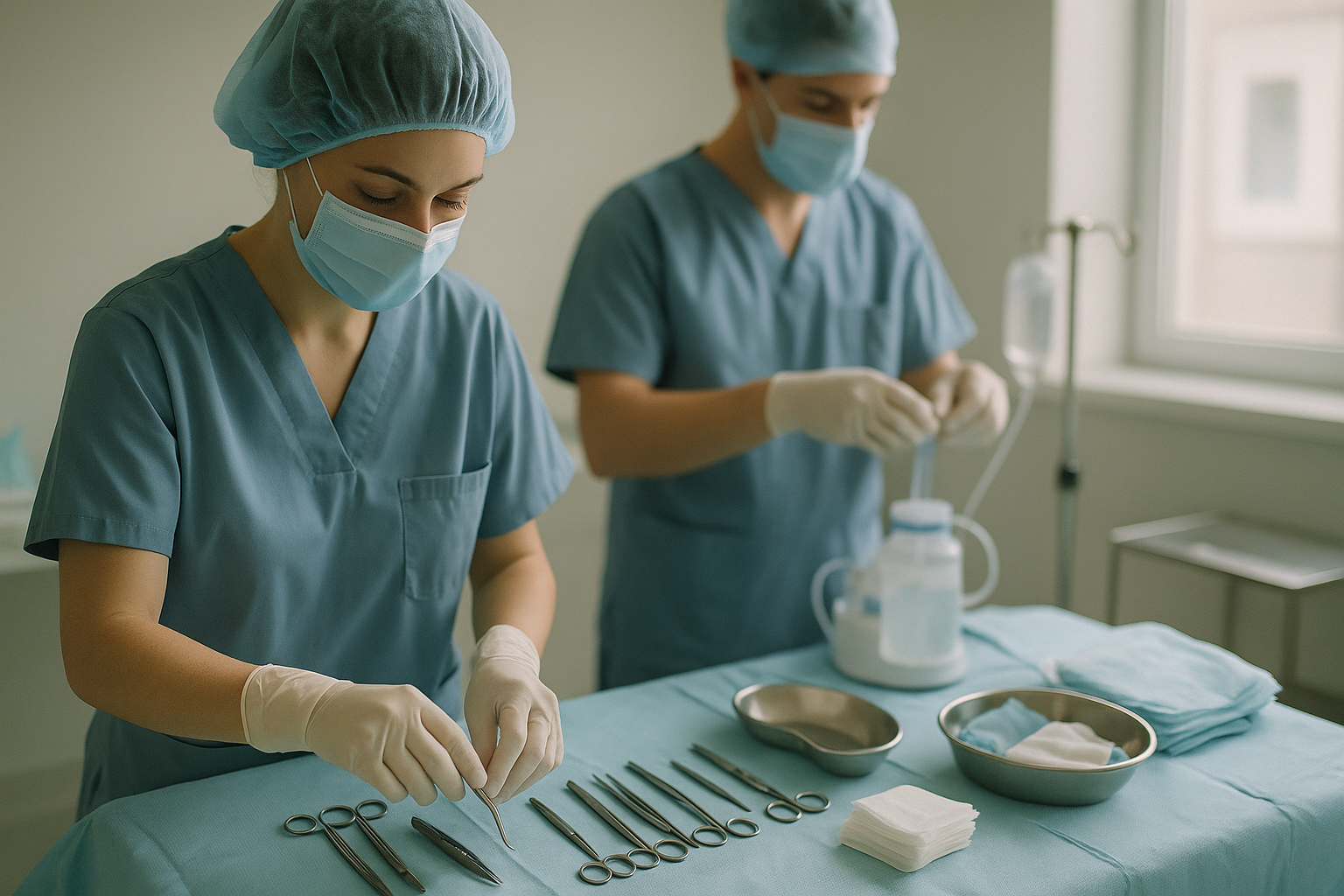
The procedure itself is performed under local anaesthesia. Hair follicles are extracted one by one or in a strip (depending on the technique, detailed below), prepared under magnification, and then implanted into tiny incisions in the beard area. The distribution of these follicles is carefully planned to ensure a natural look, with attention to the direction and density of growth. Sessions usually last between 4 to 8 hours, depending on the number of grafts involved.
Common goals and expectations
Many people seek beard transplantation to create fuller cheeks, fill in patchy areas, or define the goatee, moustache, and sideburns. Achievable density depends on donor supply and the natural spacing of facial hair. Typical transplants use between 500 and 3,000 grafts, tailored to the desired coverage. Complete beards generally require a higher graft count, while spot treatments may need fewer.
Results can be seen once transplanted hairs go through an initial shedding and regrowth phase, with visible improvement often taking several months. For a closer look at typical outcomes and what can be achieved, you can view results from other clients with beard restoration.
Choosing Between FUE and FUT for Beard Grafting
FUE: Follicular Unit Extraction method
Follicular Unit Extraction (FUE) is a widely used technique for beard transplantation. In this approach, individual hair follicles are carefully removed from the donor area using a micro-punch device, often ranging from 0.7 to 1.0 mm in diameter. Each follicle is then implanted into the beard region, allowing for precise placement and natural-looking growth. FUE leaves very small, round scars that are typically not noticeable once healed. Recovery is generally quick, with most people resuming routine activities within several days. FUE is often chosen for beard transplants because it allows for flexibility in donor area selection and supports detailed shaping of facial hair.
FUT: Strip method and its current use
Follicular Unit Transplantation (FUT), also called the strip method, involves removing a thin strip of scalp from the donor area, usually the back of the head. Follicles are then separated from this strip and placed in the beard area. FUT can allow a higher number of grafts in a single session, but it results in a linear scar at the donor site. While FUE remains the preferred technique for beard restoration due to its less visible scarring and shorter recovery, FUT might still be considered in cases where a large number of grafts is needed or if the donor area is limited.
For a more detailed overview of these hair transplant methods and their suitability for facial restoration, see our summary of hair transplant techniques and options.
Matching Donor Hair to Facial Regions
Donor site selection and hair characteristics
For beard transplantation, the occipital scalp at the back of the head is the most common donor site due to its robust hair growth and similarity in hair thickness to facial hair. In certain cases, hair below the chin or on the neckline may also be considered, especially for smaller touch-ups or when a close match in texture is needed. Hair characteristics—including curl, color, diameter, and growth pattern—are important for achieving a result that blends naturally with existing facial hair. For example, individuals with curly beards may benefit from selecting donor hairs that display a similar curl pattern, while for lighter or red beards, donor hair color must be carefully evaluated. According to the International Society of Hair Restoration Surgery (ISHRS), matching these characteristics is a key factor in creating a natural appearance after transplantation.
Graft density and placement by beard zone
The density and distribution of grafts vary by facial region. The mustache and goatee typically require the highest density, often aiming for 35–45 follicular units per square centimeter for a thick appearance. Cheek areas and sideburns usually use a lower density, around 20–30 units per square centimeter, to mimic the softer transitions of natural beards. For a full-beard restoration, the total graft count may range from 2,500 to 4,000, while partial restorations—such as enhancing a patchy cheek area—may need 400–1,200 grafts. The chosen density and placement aim to suit individual beard styles and growth patterns. You can see examples of these different approaches in our results gallery for beard transplantation.
Step-by-Step Process of Beard Transplantation
Preoperative planning and hairline design
Consultation begins with a detailed assessment of beard growth patterns, hair characteristics, and overall facial symmetry. Together with the medical team, you discuss your preferred beard shape, density, and outline. The design process involves marking the desired hairline, considering factors like jawline shape, sideburn transitions, and whether you want to enhance specific zones such as the mustache or goatee. Planning also involves evaluating donor areas to estimate available grafts and predicting how transplanted hair will blend with existing facial hair. The examining physician makes the final decision on hairline design, respecting both your preferences and technical considerations for long-term appearance.
Graft harvesting, placement, and immediate aftercare
Beard transplantation typically lasts between 4–8 hours, with the duration depending on the number of grafts required. Local anesthesia is used to keep the procedure comfortable. Fine punches—ranging from 0.7 to 1.0 mm in diameter—extract individual grafts from the donor area. Tiny slits or implanter pens are then used to create recipient sites, with careful attention to the natural angles and direction of beard growth. Each graft is placed in these sites to build density and achieve even coverage. After the procedure, mild swelling or redness may occur for a few days. Detailed instructions are provided for washing and caring for the area, supporting initial healing and graft survival. For more on symptom management, see our article about how folliculitis develops and how its symptoms can be eased.
Who May Not Be Suitable for Beard Restoration
Medical exclusions and contraindications
Certain health factors can prevent safe participation in beard transplantation. Ongoing medical conditions such as uncontrolled diabetes, blood clotting disorders, or serious heart problems may increase procedural risks. Active skin infections or inflammatory diseases like severe acne or psoriasis in the beard area must be resolved before considering a transplant. According to the British Association of Dermatologists (BAD)those with a history of keloid scar formation have an elevated risk of noticeable scarring after surgical procedures. Individuals who have recently undergone chemotherapy or are immunosuppressed may also be advised to wait until their health stabilises before discussing facial hair restoration options.
Factors that may limit or postpone transplant
Beyond strict medical exclusions, a range of other factors may influence candidacy. Limited donor hair—often from the back of the scalp—can restrict the number of grafts available for facial transplantation. Those with very sparse or fine occipital hair may not achieve the desired density. Unrealistic expectations regarding appearance or timeline can also affect suitability, as outcomes depend on existing hair characteristics and healing response. A tendency to form hypertrophic scars or pigment changes is another consideration, especially in individuals with certain skin types. Ultimately, the decision about whether beard restoration is appropriate belongs to the examining physician, who will assess medical history, skin health, and personal goals before recommending next steps or alternatives.
| Technique | Donor Area | Type of Scarring | Graft Numbers Possible | Typical Use in Beard Restoration |
|---|---|---|---|---|
| FUE (Follicular Unit Extraction) | Scalp (usually occipital) | Tiny dot-like | Up to 3,000 | Most common, preferred for minimal scarring |
| FUT (Strip Method) | Scalp (linear strip) | Line-shaped scar | Up to 3,500 | Rarely used, considered if maximum grafts required |
Risks, Side Effects, and Safety Considerations
Potential complications and how they are managed
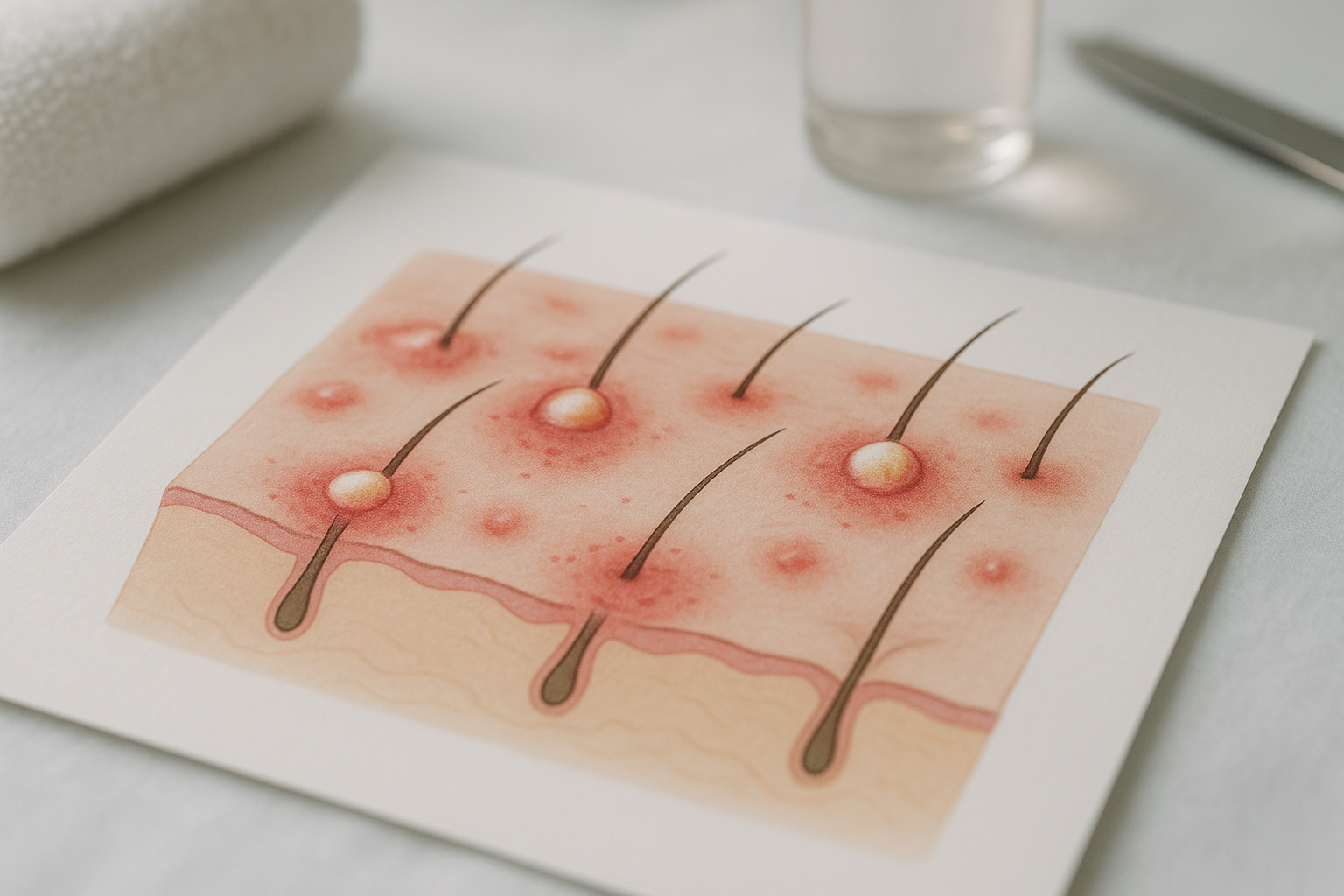
After beard transplantation, some adverse events are possible. Infection and bleeding at graft sites are recognised risks, but these can usually be minimised with careful hygiene and proper technique. Swelling or discomfort is common and typically settles within several days. Folliculitis, an inflammation of the newly implanted follicles, may occasionally occur; gentle cleansing and, if necessary, topical treatments are often used, as described in an overview of folliculitis causes and management. Other rare complications include cobblestoning (a subtle bumpy texture), pigmentation changes at the graft or donor sites, and in some cases, the formation of visible scars. When complications develop, prompt assessment by a qualified clinician helps guide management and support recovery.
What to expect in the healing phase
Redness, mild swelling, and small crusts at the implantation sites are common in the first week. These usually begin to resolve within 7 to 10 days. Some shedding of transplanted hairs often occurs during the first month—a normal response as follicles enter a temporary resting phase. It can take several weeks to months for new beard growth to become noticeable. The degree of redness or pigment change varies between individuals and by skin type. Not everyone experiences each side effect, and healing rates differ. Discussing expected recovery milestones with your clinician can help set realistic timelines. Photographic examples of real outcomes are available on our results page for those seeking further context.
Recovery Timeline and Expected Results
Early recovery and care instructions
Most people notice mild swelling and redness in the beard area for the first 3–5 days after transplantation. Small crusts may form around each transplanted hair, usually becoming less noticeable within 7–10 days. During this period, gentle washing and specific aftercare—such as using a saline spray and avoiding direct sun exposure—are important to support healing. Most can return to work and daily activities within 5–7 days, though direct facial shaving and vigorous exercise are typically postponed for at least two weeks. If discomfort or signs of infection occur, it is advisable to contact the clinic for follow-up advice. According to the American Academy of Dermatology (AAD), following the recommended post-procedure care helps minimise risks and supports optimal healing.
Hair shedding, regrowth, and final outcomes
After transplantation, the newly placed beard hairs usually enter a shedding phase. This is expected between 2 and 3 weeks, when many of the visible transplanted hairs fall out. This process is temporary, and new hair begins to grow from the follicles after about 3–4 months. Continued improvement in beard density and coverage is typically noticed over the following months. Most individuals see the final result between 9 and 12 months post-procedure, as the hair thickens and blends in with surrounding areas. Long-term maintenance is similar to natural beard care. If new concerns arise or if additional shaping is desired, a follow-up appointment with the clinic may be recommended. For more information on different hair procedures and aftercare, you can review the details on our hair transplant treatments page.
How to Decide if Beard Transplantation Is Right for You
Checklist for making an informed decision
Clarifying your personal goals is an important early step before considering beard transplantation. Think about the specific areas you want to address, and consider whether your expectations for density and coverage are realistic. Evaluate your donor area, typically at the back of the scalp, to see if there appears to be enough suitable hair for your aims. Review your general health and let your medical provider know about any chronic conditions or medications you use. Be ready to follow aftercare guidance and allow time for recovery. Understanding each step of the process can help you decide whether this option fits your situation.
How to choose a clinic and discuss options
Choosing a team with experience in beard transplantation is important. Seek clinics that provide clear information about their techniques and invite you to review results you can look at closely from previous cases. At your consultation, prepare questions about the procedure, expected recovery, and what outcomes may be realistic. The examining physician will assess your facial structure and donor hair, then discuss which options may suit your individual case. Any decision to proceed is made together with your physician, based on your medical evaluation and goals.
Frequently asked questions
-
A beard transplant uses your own hair follicles, usually from the scalp, to fill in sparse facial areas. Suitable candidates are adults with patchy, thin, or scarred beards who have sufficient donor hair and are in good general health.
-
FUE (Follicular Unit Extraction) involves removing individual hair follicles from a donor area and implanting them into the beard region. This method leaves small, dot-like scars and allows precise placement for natural results.
-
Areas like the mustache and goatee typically need higher graft density for a fuller look, while cheeks and sideburns may require fewer grafts. The exact number depends on your facial hair goals and existing coverage.
-
A full beard restoration may require between 2,000 and 3,000 grafts, while smaller areas like the mustache or patchy spots may need 300 to 800 grafts. The exact amount varies by individual needs and donor supply.
-
Transplanted hair follicles are generally permanent and continue to grow in their new location. However, outcomes can vary, and some follow-up procedures may be needed to refine density or shape.
-
Mild swelling and redness are common for a few days. Tiny crusts form and typically fall off within 7–10 days. Most people return to work within a week, with new hair growth visible in a few months.
-
Risks include infection, swelling, temporary shedding, and sometimes folliculitis or minor scarring. Most side effects are temporary and can be managed with guidance from your clinic.
-
Those with certain health conditions like uncontrolled diabetes, blood clotting disorders, active skin diseases, or insufficient donor hair may not be suitable. A thorough consultation is essential to determine candidacy.
-
Look for a clinic with experience in facial hair restoration, review before-and-after examples, and ensure the team discusses all available techniques. Meeting with the medical team to discuss your goals is recommended.
-
Scalp hair is usually used for beard restoration because of its similar growth characteristics. In some cases, beard hair can be transplanted to the scalp, but this depends on individual factors and should be discussed with your physician.
Sources
- International Society of Hair Restoration Surgery (ISHRS)
- British Association of Dermatologists (BAD)
- American Academy of Dermatology (AAD)