
How Folliculitis Really Develops and What Eases the Symptoms
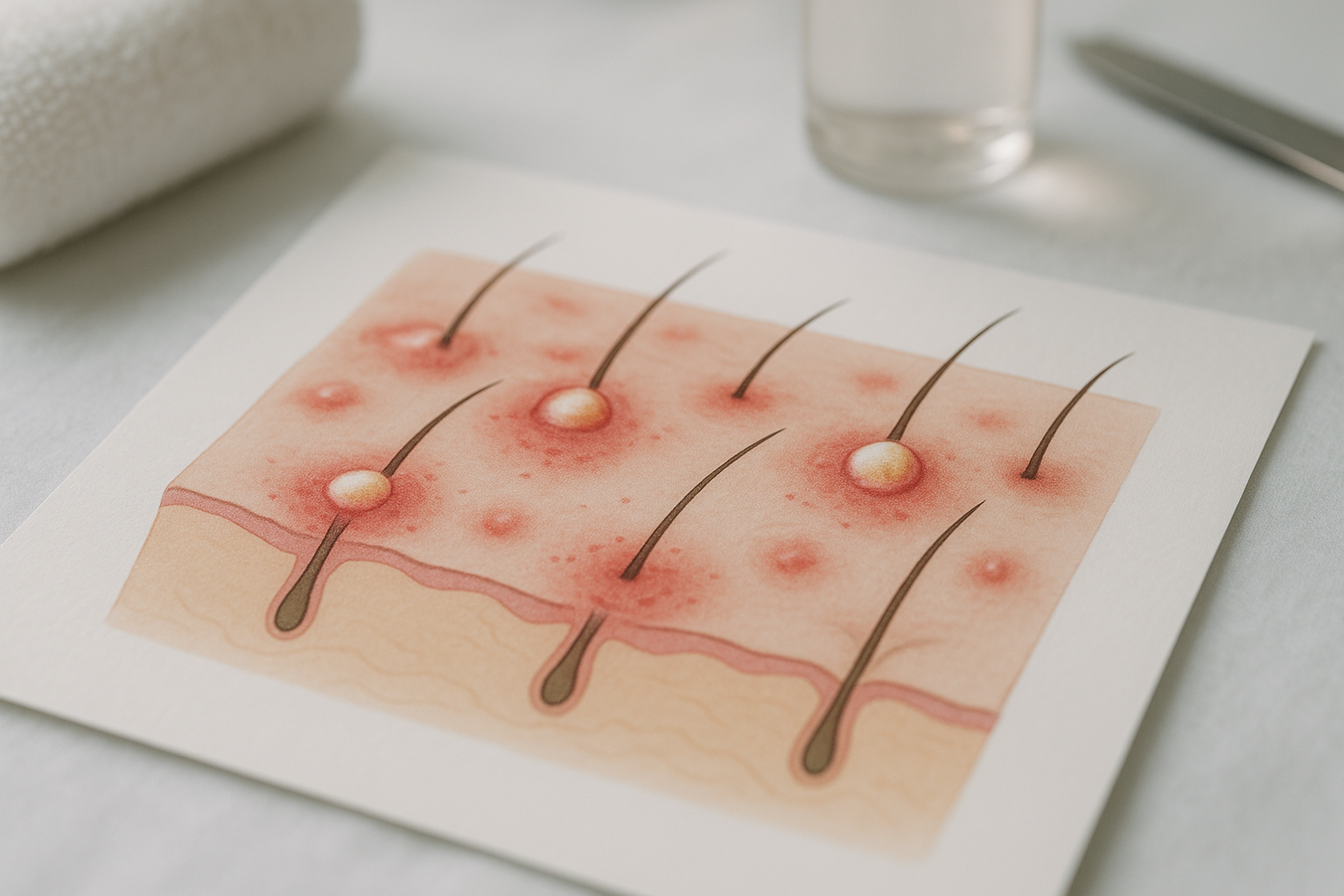
Folliculitis can cause itching, pain, and visible bumps—understanding its causes and treatment options helps you act early and avoid complications.
Folliculitis appears as red or pus-filled bumps around hair follicles and can often be managed with simple self-care or targeted treatment.
What Happens When Hair Follicles Become Inflamed
How Folliculitis Looks and Feels on the Skin
Clusters of red, tender bumps around hair follicles often indicate folliculitis. Some of these bumps develop into small white or yellow pustules, while others remain as irritated, pink papules. The affected skin may be sore or sensitive to touch, with burning and itching especially common during the early stages. Dry or flaky skin can appear around the inflamed areas.
Symptoms typically gather in regions with dense hair growth. On the scalp, discomfort may be more noticeable during brushing or washing. In the beard area, shaving can trigger stinging or a raw sensation. When folliculitis appears on the torso, arms, or thighs, irritation may worsen as clothing rubs against the skin. Mild swelling is possible, but deeper cases can cause stronger discomfort.
Minor superficial folliculitis often improves within 7 to 14 days and usually does not leave scars. Factors like the depth of inflammation, daily skin care, and whether the original trigger persists influence recovery speed. If you are curious about the healing process after hair restoration, you can see photographs showing the appearance of the skin at each stage during recovery.
Different Types: Superficial vs Deep Forms
Superficial folliculitis involves only the upper part of the hair follicle. It appears as small, delicate pustules or red bumps, often grouped together. These mild forms most often affect the scalp, face, or upper trunk, heal quickly if the irritation stops, and rarely leave marks.
Deep folliculitis extends further into the skin and may lead to boils (furuncles) or larger collections such as carbuncles. A boil is a firm, tender lump with a central pocket of pus, sometimes larger than 1 cm. Carbuncles form when several adjacent follicles join together, producing more swelling and, occasionally, fever. Sycosis barbae is a chronic deep form limited to the beard, causing ongoing bumps, crusts, and at times patchy hair loss. Deep types are more likely to leave temporary discoloration or scars as they heal.
Superficial types most often affect the scalp, neck, and trunk, while deep forms are more common in areas exposed to repeated friction or thick hair, such as the beard and buttocks. Understanding these differences helps set realistic expectations and guides the next steps in management. If you want to know how various hair restoration techniques may interact with follicle health, see what actually differs between FUE, sapphire blades, and DHI methods.
Why Folliculitis Starts: Triggers and Common Causes
Bacterial, Fungal, and Viral Infections
Folliculitis often begins with a microbial invasion. Staphylococcus aureus is the most common trigger, especially on the face, scalp, and limbs. Infections from Pseudomonas species may develop after soaking in inadequately chlorinated hot tubs or pools, resulting in outbreaks on the trunk or thighs. Fungal organisms like Malassezia can cause persistent, itchy bumps, particularly on oily skin. Less commonly, viral agents such as herpes simplex virus (HSV) produce clusters of painful pustules that crust over. Demodex mites, tiny organisms living in hair follicles, can occasionally provoke inflammation, especially in individuals with underlying skin issues.
Clinical symptoms and the pattern of distribution offer clues to the source. For example, widespread outbreaks after water exposure may point toward Pseudomonas, while stubborn scalp involvement may hint at fungal causes. In rare cases, especially in people with weakened immune systems, eosinophilic folliculitis brings recurrent, intensely itchy lesions that can be slow to heal.
Other Causes: Shaving, Hot Tubs, and Skin Conditions
Mechanical factors also play a significant role. Shaving, particularly with close or dull blades, can lead to pseudofolliculitis barbae—a form where hairs curl back into the skin, creating inflamed bumps in the beard or neck region. Friction from tight clothing or sports equipment repeatedly rubbing against the skin can irritate follicles, making them more vulnerable to infection. Occlusive products such as heavy oils or certain cosmetics may trap sweat and bacteria, encouraging outbreaks on the back, chest, or scalp.
Underlying skin conditions like acne or eczema can disrupt the natural barrier, making it easier for folliculitis to develop and sometimes recur. Chronic or recurrent folliculitis is a challenge for some, especially if triggers are ongoing or difficult to avoid. For those considering procedures like hair transplantation, understanding how different hair restoration techniques interact with follicle health can be valuable in planning your care.
Each of these factors—infectious or mechanical—can influence not only the likelihood of an outbreak but also its persistence and severity. Addressing any contributing habits or exposures is often key to managing symptoms and reducing recurrence.
| Type | Typical Cause | Symptoms | Common Treatments | Risk of Scarring |
|---|---|---|---|---|
| Superficial bacterial | Staphylococcus aureus | Red bumps, pus, mild itching | Topical antibiotics, hygiene | Low |
| Fungal | Malassezia species | Itchy papules, trunk/limbs | Topical/oral antifungals | Low |
| Hot tub (Pseudomonas) | Pseudomonas aeruginosa | Clusters of red bumps, often under swimwear | Usually self-limiting, hygiene | Low |
| Deep (boil/carbuncle) | Staph or mixed bacteria | Painful lump, swelling, pus | Oral antibiotics, drainage | Moderate to high |
| Shaving-related | Physical irritation | Ingrown hairs, red bumps | Stop shaving, gentle exfoliation | Low |
Recognising Risks: Who Should Take Extra Caution
Who Is Not a Good Candidate for Certain Procedures
Some individuals face higher risks when considering elective skin procedures, such as hair transplantation, if they have a history of folliculitis or underlying health issues. People living with diabetes, those who rely on long-term corticosteroid medications, and anyone with a weakened immune system—whether due to medical conditions or treatments—are more likely to develop or worsen folliculitis. Frequent shaving, particularly in sensitive areas like the scalp, can also increase vulnerability to infections of the hair follicles.
Active or persistent skin inflammation, including untreated folliculitis, can interfere with healing after procedures. For example, candidates for hair transplantation are generally advised to have any ongoing scalp inflammation under control before proceeding. If folliculitis is present at the time of an elective procedure, the risk of complications rises, and most specialists recommend postponing treatment. This approach helps reduce potential setbacks, such as delayed healing or worsening infection. If you are considering advanced hair restoration techniques, you can find information about careful planning and patient selection in the Percutaneous Sapphire method overview.
Complications and When Folliculitis Becomes Serious
The majority of folliculitis cases resolve with minimal intervention, but certain complications can arise, especially in higher-risk patients. If the infection penetrates deeper tissues, it may form an abscess—a painful, swollen area filled with pus that requires drainage. In some cases, scarring or dark patches can develop, particularly if inflammation is chronic or repeated episodes occur in the same area.
Serious complications such as cellulitis, a spreading infection of the skin and underlying tissue, may develop if prompt treatment is not received. Chronic or deep folliculitis may also result in areas of permanent hair loss or visible scarring. For these reasons, anyone with active folliculitis should seek medical review before undergoing elective skin or hair procedures. Timely assessment by a physician ensures that risks are identified and managed, reducing the likelihood of setbacks during and after treatment.
How Folliculitis Is Diagnosed and When to See a Doctor
Steps in Diagnosis: Exam, Swabs, and Biopsy
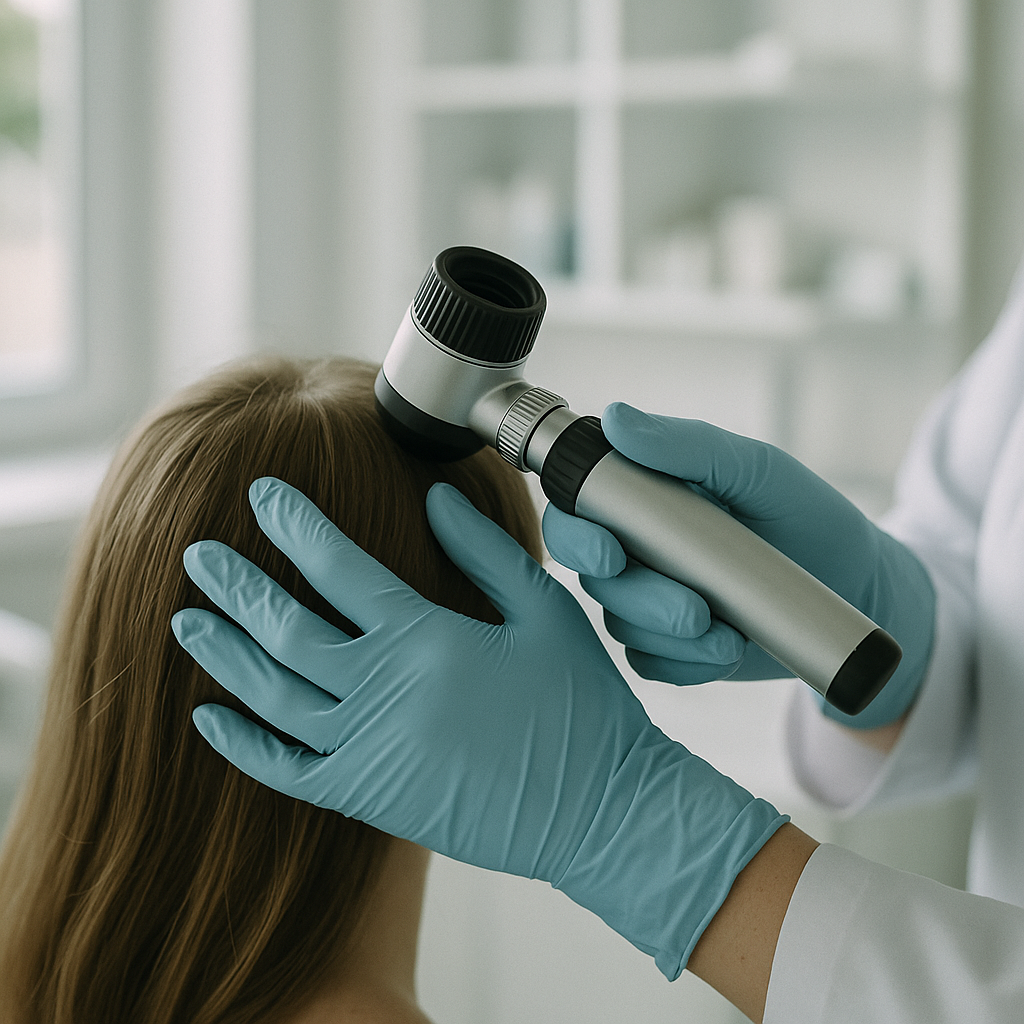
Diagnosing folliculitis usually begins with a thorough visual examination by a physician. The doctor will look for signs such as clusters of red bumps, pustules, or areas of tenderness around hair follicles. To determine the cause, swabs of the affected skin may be collected and sent for bacterial or fungal culture, especially if the condition keeps returning. Identifying the organism can help guide specific treatment.
In cases where folliculitis does not respond to standard therapies, or the presentation is atypical, a skin biopsy might be advised. During this minor procedure, a small sample of skin is removed for microscopic analysis. This can help rule out other conditions that mimic folliculitis, such as boils, allergic reactions, or rare inflammatory diseases. Only a trained physician can distinguish between these possibilities based on examination and test results. For patients who have recently undergone hair transplantation, tracking any scalp changes is especially important—information on post-procedure monitoring is available in the article month by month after a hair transplant.
When Medical Review Is Essential
Some warning signs suggest that folliculitis needs urgent evaluation by a doctor. These include rapidly spreading redness, warmth, or swelling beyond the initial area; the appearance of fever or chills; lack of improvement after 7 to 10 days of home treatment; or pain that increases instead of subsiding. For those who have had a recent hair transplant, new or worsening symptoms on the scalp—such as persistent crusting, pus, or hair loss—should also prompt review.
European dermatology and dental bodies emphasise the importance of a careful pre-procedure assessment for anyone with active or recurring folliculitis. A physician can determine when it is safe to proceed with elective treatments and guide appropriate care for underlying skin conditions. Prompt recognition and expert input can make a significant difference when complications threaten to develop.
Treatment Options: What Actually Helps and What to Avoid
Medical Treatments: Topical and Oral Medications
Mild forms of folliculitis are frequently managed with topical antibiotics such as mupirocin or fusidic acid, which clinicians often recommend for use twice daily over a period of 7 to 10 days. When the underlying cause is suspected to be fungal—like Malassezia folliculitis—creams or shampoos containing ketoconazole may be chosen. For those considering facial hair procedures, especially in areas prone to inflammation, reviewing your history of folliculitis is important before any beard transplant procedures are planned.
Oral medications come into play if topical agents do not work or if the affected area is extensive. Oral antibiotics such as cephalexin or doxycycline might be prescribed, while antifungal tablets are reserved for severe fungal infections. Folliculitis linked to Demodex mites may require antiparasitic drugs like oral ivermectin or topical metronidazole. Ultimately, the examining physician will assess your case and select the most suitable medication based on the specific type and severity of your folliculitis.
Self-Care and Home Remedies: Myths and Evidence
Applying a warm compress for 10 to 15 minutes, up to three times daily, can provide comfort and may help with drainage. Cleansing with mild, fragrance-free soap and lukewarm water is recommended, and it is sensible to pause shaving in the affected area until healing is complete. This approach helps limit irritation and reduces the chance of spreading infection.
Some popular home remedies lack scientific support. Picking or squeezing bumps increases the likelihood of scarring or additional infection. Avoid strong irritants such as undiluted tea tree oil or alcohol, which can worsen inflammation. Many do-it-yourself treatments circulating online are not supported by evidence. If symptoms worsen, spread, or do not improve after a few days of self-care, consult a healthcare provider. For those interested in how folliculitis care may differ after facial hair restoration, you can read more about the DHI method for hair transplant as one approach where post-procedure skin care is important.
Living With and Preventing Folliculitis
Reducing Recurrence: Hygiene and Lifestyle Changes
Switching to a fresh razor for every shave or choosing an electric trimmer can help minimize skin irritation and lower the chance of folliculitis. Loose-fitting clothing is preferable for body areas, as tight garments increase friction and trap heat, making inflammation more likely. Select non-comedogenic skincare and hair products to decrease the risk of clogged pores. Showering soon after activities that cause sweating, and gently patting the skin dry, can also lower the recurrence of both bacterial and fungal folliculitis.
Despite taking these steps, some individuals experience ongoing episodes. In such situations, regular check-ins with a dermatologist may be recommended, particularly if symptoms last for several months or interfere with daily comfort. If you are considering a hair restoration procedure and have concerns about folliculitis, comparing techniques such as the DHI method may help you understand which approaches are available and what aftercare might involve.
Folliculitis After Hair Transplant: Special Considerations
In the first 2 to 4 weeks following a hair transplant, red or swollen bumps can sometimes develop around newly placed follicles. Most of these cases respond to warm compresses and gentle cleansing, but a physician may recommend topical antibiotics if needed. Each situation is assessed individually by the treating surgeon.
Visible changes in the scalp or beard area may affect your confidence during the initial months after a transplant. If you have concerns about your appearance or recovery, discussing them with your care team or seeking peer support can be helpful. To better understand the healing timeline and outcomes, you can review treatment result examples from previous patients for a realistic sense of possible changes after surgery.
Frequently asked questions
-
Folliculitis usually presents as small red or pus-filled bumps around hair follicles, often with itching, burning, tenderness, or mild pain. In some cases, the area can become swollen or form a crust as it heals.
-
Most cases of superficial folliculitis heal without scarring or permanent hair loss. Deep or chronic cases, especially if untreated or complicated by abscesses, can sometimes lead to scarring or patchy hair loss.
-
Squeezing or picking at folliculitis bumps is not recommended, as it increases the risk of infection spreading, scarring, and delayed healing. Instead, keep the area clean and follow your physician’s treatment advice.
-
Mild cases often resolve in 7 to 14 days with conservative care. If symptoms worsen, last longer than 10 days, or you develop fever, spreading redness, or pain, you should seek medical attention promptly.
Sources
- British Association of Dermatologists
- American Academy of Dermatology
- European Academy of Dermatology and Venereology