From first appointment to advanced treatments, see how dental clinics in Türkiye operate and what to expect during your visit.
A modern dental clinic in Türkiye combines digital technology, skilled teams, and efficient workflows to deliver both general and aesthetic dentistry during a short stay.
Your First Appointment: Setting Expectations
Initial consultation and needs assessment
A first visit usually begins with a conversation about your medical and dental background. The dental team asks about health conditions, medications, allergies, and previous dental care, as well as your main reasons for seeking treatment—such as discomfort, cosmetic concerns, or preventive goals. This information shapes the initial assessment. A dentist or hygienist then examines your teeth, gums, and oral tissues, checking for decay, gum disease, and other concerns. This examination informs a care plan focused on your needs. All information provided is handled with respect for privacy.
Digital diagnostics and treatment planning
Clinics in Türkiye often use digital x-rays, which provide detailed images with less radiation than traditional film. Intraoral cameras let you and your dentist view close-up images of your teeth and gums, making issues easier to understand. Digital impression systems can create a 3D model of your mouth, useful for planning crowns, bridges, or aligners. Using these tools, the dentist proposes tailored treatment options and explains possible approaches. A physical examination by a dentist is always required before any plan is finalized. You can see examples of previous outcomes on our results you can look at closely page. The choice of treatment ultimately depends on your examination and the dentist’s assessment.
The Dental Team: Roles and Professional Standards
Dentist and specialist qualifications
Dental care is provided by professionals with formal education and licensing. Dentists complete a dental faculty program and must pass national exams for licensure. Additional training is required to become a specialist in areas such as orthodontics, periodontics, or oral surgery. Specialists handle treatments ranging from tooth alignment to gum health and surgical interventions. Dentists and specialists are registered with the Turkish Dental Association and are expected to keep their knowledge current through ongoing education. This regulatory framework supports safe and quality care. For more details about available services, see our dental clinic treatment overview.
Support staff and their functions
The dental team includes hygienists, dental assistants, and administrative staff. Hygienists perform cleanings and provide oral hygiene advice. Dental assistants help during clinical procedures and maintain sterilization routines. Administrative staff manage scheduling and records, coordinating the flow of information. Communication among these team members supports safe and coordinated care. Regular meetings and digital records help keep everyone updated on ongoing treatments and individual needs.
Treatment Options: From General Care to Aesthetic Solutions
General dentistry procedures
A typical dental cleaning takes 30 to 45 minutes, during which plaque and tartar are removed and teeth are polished. Fillings for cavities generally take 20 to 40 minutes per tooth, using tooth-colored materials to restore structure and appearance. Simple extractions, if needed, can require 20 to 40 minutes depending on the tooth. These treatments aim to support oral health and function.
Aesthetic and restorative dentistry
Options include veneers, crowns, teeth whitening, and digital smile design. Veneers, usually porcelain, are placed over two visits: one for preparation and impressions, and another for fitting. Crowns may be recommended for damaged teeth, and some clinics use CAD/CAM technology for same-day placement. Teeth whitening is performed with professional agents in sessions of about one hour. Digital smile design lets you preview possible results before starting. For examples, see our results you can look at closely page.
Digital tools such as x-rays, scanners, and planning software are widely used to customize care and support accuracy. To review available treatments, visit our dental clinic services page.
| Aspect | General Dentistry | Aesthetic Dentistry |
|---|---|---|
| Typical Procedures | Cleanings, fillings, extractions | Veneers, crowns, whitening |
| Purpose | Maintain oral health, treat disease | Improve appearance, restore function |
| Duration | 30–60 minutes per session | 1–5 days, depending on procedure complexity |
| Technology Used | Digital X-rays, basic imaging | Digital impressions, CAD/CAM, smile design |
| Who Is Eligible | Most adults and children | Those with healthy gums and realistic expectations |
Technology in the Clinic: Digital Impressions and Beyond
How digital impressions improve accuracy
Scanning devices capture detailed digital images of your teeth and gums, replacing tray-based molds. Many people find this process more comfortable. The scanner creates a 3D model in seconds, which is used for crowns, veneers, aligners, and other appliances. Digital impressions help reduce common errors such as distortion or air bubbles, often resulting in better-fitting restorations and fewer adjustments.
Other technologies enhancing comfort and efficiency
CAD/CAM systems—computer-aided design and manufacturing—allow for in-house design and production of crowns or bridges, sometimes within a single visit. 3D imaging, including cone-beam computed tomography (CBCT), provides detailed pictures of teeth and jaws for precise diagnosis and implant planning. Chairside milling machines are often used with CAD/CAM to prepare and place restorations efficiently, which can be helpful for those with limited time in Türkiye.
Instant digital access to records and images streamlines communication within the clinic. For further information on oral health topics, you might find our explanation of folliculitis symptoms and causes helpful.
Clinic Workflow: What Happens During Your Stay
Typical daily schedule and communication
Arrival at a dental clinic in Türkiye usually starts with a welcome and administrative check-in, followed by meeting with a coordinator if you’ve come from abroad. Clinics generally organize appointments in advance, taking into account both the complexity of your dental needs and your travel schedule. For international visitors, English-speaking staff are common, and translation services are often available for French and other languages. Communication may be handled face-to-face or, for routine updates, via WhatsApp or email, depending on your preference and the clinic’s setup.
A typical day might include an initial dental assessment in the morning, digital imaging or impressions shortly afterward, and, where necessary, a consultation with a specialist. Breaks between sessions are scheduled to allow for lab work, especially when custom restorations are made on site. If your treatment includes several steps, clinics aim to cluster appointments efficiently so you spend the minimum time waiting between procedures.
Try-in and fitting: how new restorations are placed
Once digital impressions are completed, dental restorations such as crowns, veneers, or bridges can often be designed and produced within the clinic’s own laboratory. In some cases, a digital try-in model is created for you to preview the fit and appearance. This allows for adjustments before the final fitting and is typically ready within hours to a day, depending on the complexity and the clinic’s technology.
The final fitting of your restoration usually happens in a separate appointment. For straightforward cases, it may all be completed in a single day. More involved work, such as full-mouth rehabilitations, can require several days with try-in, adjustment, and definitive placement sessions. You can view examples of completed cases similar to yours by visiting results you can look at closely.
Risks, Side Effects, and Who May Not Be Suitable
Possible risks and side effects of dental procedures
Dental procedures, whether general or aesthetic, can involve certain risks and side effects. Common experiences after treatments include sensitivity to temperature, especially following whitening or restorative work. Gum tenderness or minor bleeding may occur after cleanings or extractions. Swelling and mild discomfort sometimes follow implant placement or more involved surgical procedures. Infections are rare, but possible, particularly if oral hygiene is not maintained during the healing period. Temporary changes in bite or speech may be noted with new prosthetics, such as crowns or bridges. Most of these effects resolve within days to a few weeks, depending on the individual and the procedure performed. More details on the healing process and symptom management can be found in our article about symptom relief after dental or surgical care.
Who may not be eligible for certain dental treatments
Some individuals are not suitable candidates for specific dental interventions. For example, those with untreated gum disease or active infections typically need to resolve these concerns before beginning restorative or aesthetic procedures. Certain medical conditions, such as uncontrolled diabetes or bleeding disorders, may limit eligibility for surgery or implants. Allergies to dental materials can also be a consideration. In cases where expectations do not align with achievable outcomes—for instance, seeking results that dental techniques cannot provide—a careful discussion is required before proceeding. The final decision regarding your suitability for any dental treatment rests with the examining dentist, who will assess your general health, dental status, and goals during consultation.
Legal, Ethical, and Safety Standards in Türkiye
Regulatory compliance and patient safety
Dental clinics in Türkiye operate under the oversight of the Turkish Ministry of Health, which sets national regulations for clinical hygiene, facility licensing, practitioner registration, and equipment standards. Clinics must maintain current licenses and adhere to protocols that address sterilization, infection control, and emergency preparedness. Dental professionals are required to hold valid degrees from accredited institutions and pass competency examinations. Each clinic undergoes periodic inspections to verify compliance with these legal requirements. Safety checks cover areas such as the disposal of medical waste, cross-contamination prevention, and maintenance of dental instruments. The standards are broadly aligned with European Union directives, supporting international expectations for care in dental settings. Those seeking further details on dental care can visit our dental clinic services overview.
Privacy, consent, and transparency
Informed consent is a foundational part of dental care in Türkiye. Before any procedure, clinics provide detailed explanations outlining the intended treatment, alternatives, possible risks, and anticipated recovery experiences. Consent forms must be signed, ensuring the individual has understood and agreed to the planned care. Data privacy is managed in line with Türkiye’s Personal Data Protection Law (KVKK), which regulates the secure handling and storage of medical and personal information. Access to health records is restricted to authorized staff, and digital files are protected by encrypted systems. Transparency extends to all aspects of treatment planning, including clear communication of each step, likely outcomes, and limitations. Open dialogue is encouraged so you can ask questions and receive comprehensive answers about your care options and processes.
Comparing Dental Clinics: What to Look For
Credentials, memberships, and clinical environment
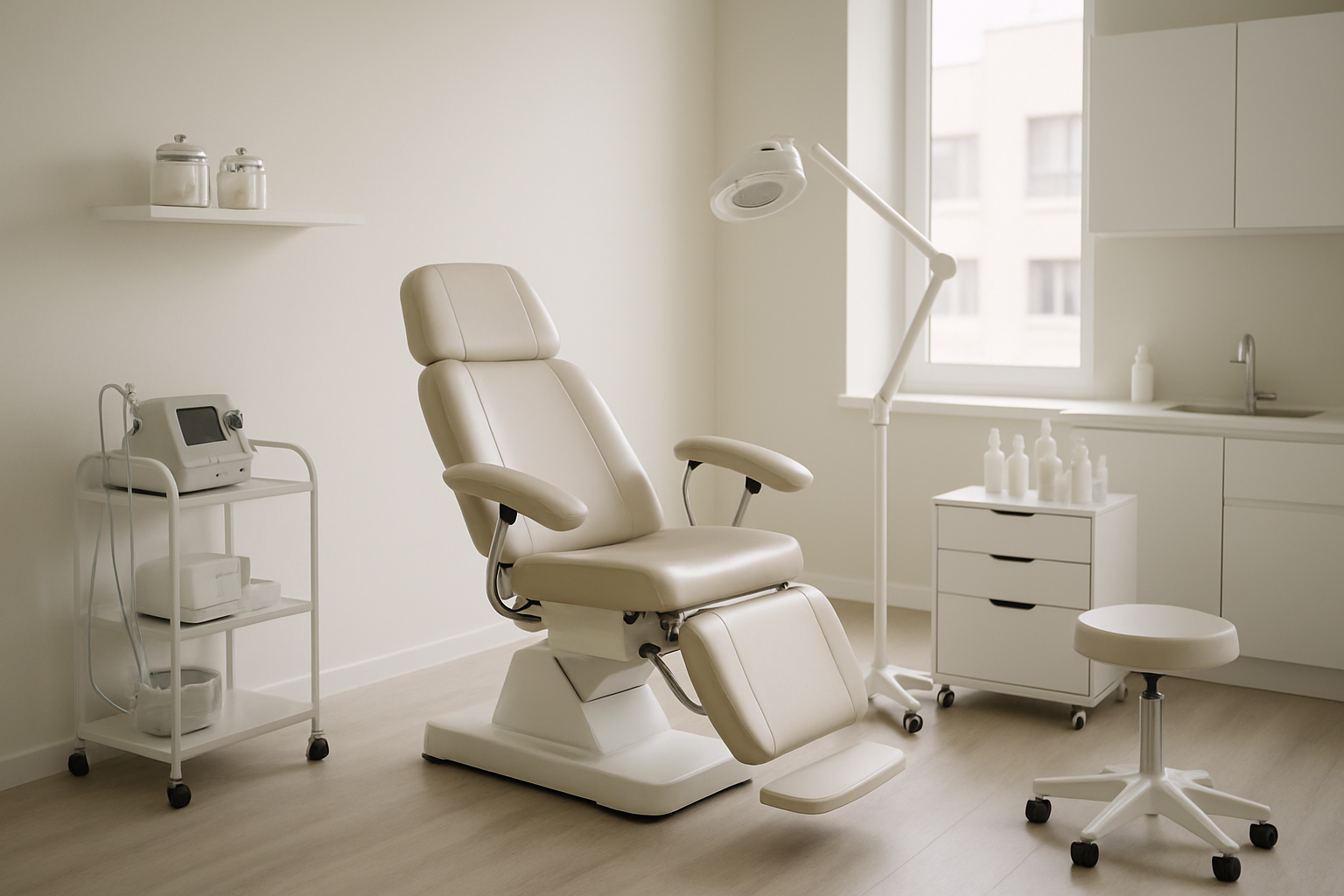
When comparing dental clinics, consider several key features. First, review the credentials of dentists and staff—these should include diplomas from recognized universities and evidence of ongoing professional development. Membership in national and international dental associations, such as the Turkish Dental Association, often reflects adherence to current standards and ethical guidelines. Hygiene protocols are essential: look for clinics that visibly meet standards for sterilization, disposable materials, and use of protective equipment. The environment should be clean and well-organized, with up-to-date technology such as digital radiography, 3D imaging, or CAD/CAM systems, which can improve diagnosis and treatment accuracy. Asking about the types of technologies in use can help you assess the clinic’s commitment to quality and safety.
What trustworthy clinics display and how to assess them
Trustworthy clinics distinguish themselves through visible certifications, clear communication, and transparency in their processes. Certifications and licenses are often displayed in reception areas and consultation rooms. Staff should answer questions about qualifications or procedures openly, without pressuring you toward any decision. A reliable clinic will provide detailed explanations of proposed treatments, including steps involved, expected durations, and possible options. Reviewing before-and-after photographs or case studies can offer insight into the range of results achieved; examples are available for close examination at our photo results gallery. Pay attention to how thoroughly your questions are answered and whether information about risks, side effects, and alternative approaches is shared. These factors together help you make a well-informed assessment of a clinic’s standards and suitability for your needs.
Frequently asked questions
-
A digital impression uses a specialized scanner to create a 3D image of your teeth, which is faster and often more comfortable than traditional putty molds.
-
The duration depends on the procedure; cleanings often require about 30–60 minutes, while crowns or veneers may involve several appointments over a few days.
-
Dental clinics in Türkiye must comply with national health regulations and employ licensed professionals, ensuring standards of safety and hygiene.
-
Many clinics offer both types of procedures and use technology to streamline care, making it possible to complete multiple treatments within a limited visit.
-
Many clinics serving international visitors have multilingual staff or interpreters to support clear communication throughout your treatment.
-
Individuals with certain medical conditions, untreated dental disease, or unrealistic expectations may not be suitable. The examining dentist will make the final assessment.
-
Mild sensitivity, minor bleeding, or temporary discomfort are possible. Rarely, infection or allergic reaction can occur. Your clinician will explain all potential risks.
-
Trustworthy clinics display licenses, certifications, and memberships in professional associations. You can request to see these documents or check online profiles.
-
Digital previews or try-ins are often available, allowing you to review the proposed outcome and discuss any adjustments with your dentist before final fitting.
-
Clinics are required to follow data privacy regulations, ensuring that your information is stored securely and only used for necessary medical purposes.
Sources
- Turkish Dental Association
- Journal of Esthetic and Restorative Dentistry
- Ministry of Health, Republic of Türkiye