
Can a Lip Lift Create Fuller, More Balanced Lips Naturally?
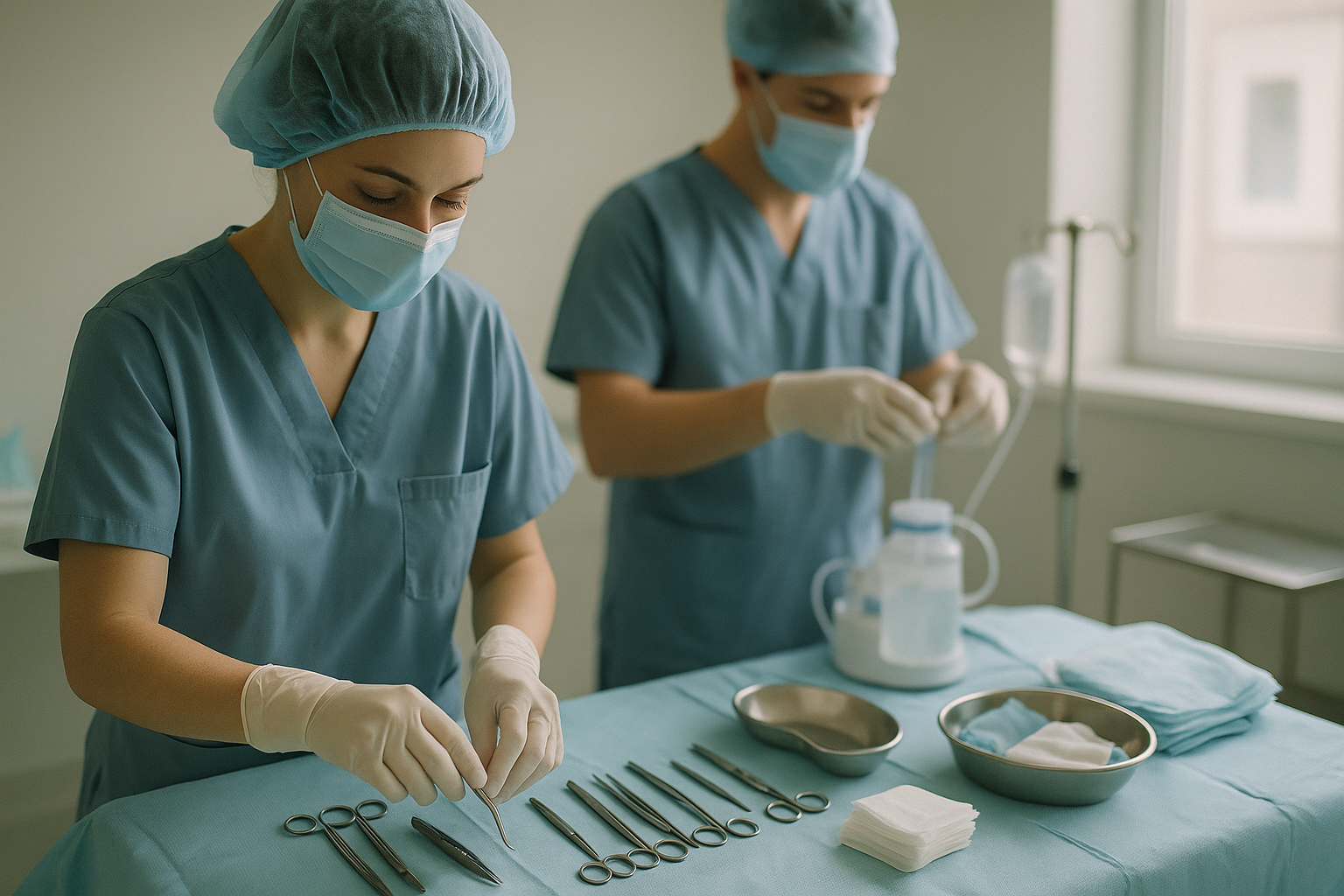
A lip lift can subtly enhance the shape and fullness of your upper lip by shortening the distance between the nose and lip, creating a more balanced and refreshed appearance.
A lip lift offers a surgical way to shorten the space above the upper lip, revealing more of the pink lip and teeth for a naturally fuller look.
What a Lip Lift Changes—and What It Does Not
Purpose and Aesthetic Goals
Surgeons use lip lift procedures to shorten the distance between the upper lip and the base of the nose (the philtrum). A longer philtrum can make the mouth appear less expressive, so removing a thin strip of skin beneath the nostrils lifts the upper lip. This adjustment increases upper tooth visibility when the mouth is at rest or smiling, and can make the upper lip look more defined without adding volume. For many, this subtle change brings facial features into better proportion, especially if the upper lip previously seemed thin or flat in profile. You can see typical examples of changes by viewing results from previous procedures performed in our clinic.
Limitations and Realistic Expectations
A lip lift changes the position and shape of the upper lip but does not increase the actual volume of lip tissue. Lip color, texture, and surface lines remain the same. The lower lip and other facial features are not affected. Perfect symmetry or dramatic fullness should not be expected from this procedure alone. Each person’s outcome depends on their natural anatomy, including skin elasticity and any existing asymmetry. The examining physician will explain which changes are realistic for your features and whether this procedure is suitable for you. If you are interested in other lip enhancement options, such as fillers, you can learn more in our cosmetic dermatology treatments section.
Types of Lip Lift: Bullhorn, Corner, Italian, and More
Overview of Surgical Approaches
Several surgical techniques exist for lip lifts, each defined by the shape and location of the incision. The bullhorn (subnasal) technique is frequently used and places an incision hidden along the base of the nostrils. The gullwing method involves an incision along the upper lip border (vermilion), which can enhance lip definition but may leave a more noticeable scar. The Italian approach uses two small incisions below each nostril, aiming to minimize central scarring. A corner lip lift requires incisions at the outer mouth edges to elevate drooping corners. Each technique addresses different aesthetic goals and results in varied scar placements and lip contours.
Tailoring Technique to Facial Anatomy
The choice of surgical approach depends on factors such as lip length, facial proportions, and the outcome you hope to achieve. For example, a longer philtrum may be addressed with a bullhorn lift, as its scar can be concealed in the crease under the nose. The corner lip lift is generally considered when only the mouth corners require elevation, with incisions placed near natural expression lines. The Italian technique may be an option for those who wish to avoid a central upper lip scar. Scar visibility can differ based on skin characteristics, healing responses, and the technique used. During a consultation, your surgeon will examine your facial anatomy and discuss which method may be suitable for your needs and preferences. For more information about these surgical options, see our plastic surgery treatments section.
Step-by-Step: What Happens During a Lip Lift Procedure
Anaesthesia and Incision
Local anaesthesia is typically used for a lip lift, numbing the area around the upper lip so you stay awake but comfortable. Sedation, ranging from mild relaxation to deeper sedation, can be discussed if you are anxious or prefer additional comfort. Your choice will be made together with your clinician, taking into account your health and preferences.
The incision for a classic bullhorn lip lift follows the curve beneath the nose. The Italian and corner techniques use two smaller incisions or place them at the mouth corners, depending on the desired effect. A narrow strip of skin between the incision and the upper lip border is carefully removed, with the amount tailored to the planned lift. Most techniques focus on skin and the tissue just underneath, with only minor adjustments to deeper layers if needed.
Reshaping, Closure, and Immediate Recovery
After removing the planned tissue, the remaining skin is gently lifted and sutured into its new position. Closure aims to minimize tension and encourage a fine, flat scar. The surgeon may use dissolvable or removable stitches, and will explain the plan before your procedure.
The area is cleaned after closure, and a light dressing may be applied. You will usually stay in the clinic for less than an hour as the anaesthesia wears off. Aftercare instructions cover cleaning the area, avoiding wide mouth movements, and when to return for stitch removal or review. The first stage of recovery focuses on comfort and protecting the incision. Examples of outcomes can be found in the results you can look at closely section on our website.
Recovery Timeline and Aftercare Essentials
First Week: Swelling, Bruising, and Stitches
Swelling and bruising often peak within the first three days after a lip lift and usually begin to subside by day five to seven. Applying cold packs gently may help reduce swelling and ease soreness. Mild to moderate discomfort is common, and most people use simple pain relief suggested by the clinic.
Stitches are generally removed within 5 to 7 days, depending on the suture type and your healing progress. Until then, avoid wide mouth movements such as yawning or stretching the lips. Eating soft foods and taking care with hot drinks can help protect the healing area. Good oral hygiene is important, but brush gently near the surgical site to avoid disturbing the stitches. Your clinician will give specific advice on cleaning and suitable oral rinses.
Longer-Term Healing and Scar Care
Most swelling and bruising resolve by the second week, but subtle changes can continue for several weeks. Once stitches are removed, scar care becomes important. Using a gentle moisturizer or silicone gel may support healing. New scars are sensitive to sunlight, so protect the area with sunscreen or a hat for the first few months outdoors.
Initial results are visible as swelling settles, but the final appearance may continue to improve for 2 to 3 months. The scar’s firmness and redness typically fade during this time. For more about typical healing and skin reactions, our article on how folliculitis really develops and what eases the symptoms explains normal skin responses. If you have a history of unusual scarring or skin conditions, mention this at your consultation so aftercare can be tailored accordingly.
Risks, Side Effects, and Who Should Not Consider a Lip Lift
Possible Complications and Their Signs
Lip lift surgery, like any surgical intervention, carries specific risks and potential side effects. The most common concerns include:
- Infection: Redness, swelling, or discharge around the incision area may appear. Fever or increasing pain after the first few days could also indicate a problem.
- Poor Scarring: Some individuals may notice thicker, raised, or stretched scars above the lip, especially if they are prone to keloids or have delayed wound healing.
- Asymmetry: Minor differences in the shape or height of the upper lip can arise after healing. Subtle asymmetries are common, but more noticeable ones may require a revision.
- Changes in Sensation: Temporary numbness or tingling is possible and often improves within weeks. Rarely, sensation changes may be longer-lasting.
Other possible, though less frequent, complications include prolonged swelling, bleeding, or issues with wound closure. Recognising signs early and following the aftercare plan can help reduce the impact of these complications. Each person’s risk profile may differ, depending on skin type, general health, and adherence to post-surgical instructions.
Suitability: Contraindications and Medical Factors
Not everyone is an ideal candidate for a lip lift. Certain health conditions or habits increase the risk of complications or affect healing. For example, unmanaged diabetesautoimmune disordersand bleeding disorders may increase the likelihood of poor wound healing or infection. Those who smoke or use tobacco products are at higher risk for delayed healing and less favourable scarring due to reduced blood flow in the tissues. If you tend to form raised scars (keloids), this procedure may not be recommended.
Psychological readiness is also important. Unrealistic expectations or seeking a dramatic transformation from a lip lift alone may lead to disappointment. The final decision regarding suitability and risk assessment always belongs to the examining surgeon, who will take your medical history, medications, and aesthetic goals into account.
Lip Lift vs Fillers and Other Non-Surgical Options
Key Differences in Technique and Results
Lip lift surgery and injectable fillers both aim to enhance the lips, but they do so in very different ways. A lip lift involves removing a small strip of skin beneath the nose to elevate the upper lip, increasing the amount of pink tissue visible and shortening the distance between the nose and lip. This technique alters the lip shape permanently, with changes visible even at rest.
Fillers, on the other hand, use injectable substances like hyaluronic acid to add volume and definition. The effects last between 6 and 18 months for most people. Non-surgical options such as makeup techniques or topical skincare can temporarily create the appearance of fuller lips, but these effects last only hours and require ongoing effort.
A key distinction is reversibility: most fillers can be dissolved if needed, while the results of a lift are not easily reversed. The surgical route tends to create a more defined border and raise the lip rather than simply adding fullness.
When to Consider Each Approach
A lip lift may suit those looking for a long-lasting change in lip shape and position, particularly when the distance between the nose and upper lip is longer than desired. Fillers are often chosen by those who want temporary, adjustable enhancement, or who wish to add volume without surgery.
Certain profiles may combine both treatments. For example, a subtle lift can redefine the shape, while small amounts of filler enhance volume—without overcorrection. Some choose to start with fillers to preview changes before considering surgery.
Non-surgical methods like makeup remain the least invasive option, suitable for those not ready for procedures. Photos of real results can help you compare how surgical and non-surgical changes appear in practice. Discussing your expectations and lifestyle with a clinician can clarify which path aligns with your aims and comfort level. For more about specific causes of lip shape and volume changes, see our article on skin and tissue health.
| Method | How It Works | Duration of Result | Scar Location | Downtime |
|---|---|---|---|---|
| Bullhorn Lip Lift | Removes skin under nose to lift central upper lip | Years | Base of nose | 5–10 days |
| Corner Lip Lift | Lifts corners of mouth by small incisions at mouth edge | Years | Edge of mouth | 5–10 days |
| Gullwing Lip Lift | Removes strip above lip border for a defined shape | Years | Along lip border | 5–10 days |
| Lip Fillers | Injects hyaluronic acid for volume | 6–12 months | None | 1–2 days |
| Makeup/Lip Liner | Visually reshapes lips | Temporary | None | None |
Longevity of Results and What to Expect Over Time
How Long Lip Lift Effects Typically Last
A lip lift changes the relationship between the upper lip and the nose by removing a small strip of skin. This modification is considered permanent in the sense that the shortened distance does not revert on its own. However, no surgical outcome is completely unaffected by natural ageing. Over time, the tissues around the mouth will continue to mature and may gradually alter the appearance of the lips. Many individuals notice stable results for years, but subtle changes in lip shape and skin elasticity can develop, especially a decade or more after the procedure.
Most people do not require a repeat procedure for several years. Some may seek a minor revision when there are visible changes or if the original lift becomes less pronounced with age. Any decision for revision must always be made in consultation with a qualified plastic surgeon after assessing the current condition and personal wishes.
Factors Influencing Durability
Several elements play a role in how long the outcome will remain close to the original result. Genetics is a primary factor: natural skin thickness, resilience, and tendencies for scarring vary widely. Lifestyle choices—such as frequent sun exposure, consistent smoking, and significant fluctuations in body weight—may accelerate changes around the mouth. Skin quality, including hydration and collagen content, also has a direct impact. Regular skincare and sun protection can help maintain skin health, but cannot entirely prevent age-related changes.
Individuals with very thin or sun-damaged skin may notice loosening sooner, while those with thicker, more elastic skin often experience longer-lasting definition. If you would like to see how lip lifts have settled over time, you can explore results you can look at closely from actual cases. Ultimately, it is the surgeon who will assess your suitability and provide guidance about long-term expectations, including the possibility of future adjustments if desired.
Making Your Decision: Consultation, Planning, and Alternatives
What to Ask in Your Consultation
Asking clear, detailed questions before a lip lift can help you understand what to expect. You may wish to discuss the type and location of scarring, as lip lifts often place the incision just beneath the nose. Ask to see photos of healed results and request an explanation of the risks most relevant to your personal health. Clarifying whether your facial anatomy makes you a good candidate is essential, as not every mouth shape or skin type is suited to this procedure. It is also helpful to discuss how much downtime is typical and what steps you will need to follow during recovery. If you are interested in a combined procedure—for example, with rhinoplasty or dental enhancement—bring this up early, as timing and planning may be affected.
Checklist for Informed Assessment
- Have a clear idea of your personal goals for lip shape, balance, and overall facial appearance.
- Share any relevant health conditions, allergies, or history of scarring with your surgeon.
- Ask about realistic outcomes, including how ageing may affect the result and when revision might be considered.
- Discuss alternatives, such as temporary fillers or approaches offered in cosmetic dermatology, and their pros and cons.
- Clarify the aftercare plan and any restrictions during your recovery.
- Understand the risks and the circumstances where the procedure might not be recommended—detailed information on this can also be found by reading how folliculitis really develops and what eases the symptoms if you have concerns about skin health.
If you are considering a staged plan—such as combining a lip lift with another aesthetic change—be sure to ask how this may influence healing and results. The final decision always rests with the examining physician, who will weigh your anatomy, health, and goals before recommending the most appropriate option.
Frequently asked questions
-
A lip lift is a surgical procedure that shortens the distance between the nose and upper lip, revealing more of the pink lip and often more teeth when smiling. Unlike fillers, which add volume, a lip lift changes the shape and position of the lip for a lasting result.
-
You may be suitable if you have a long upper lip, desire more upper tooth show, and are in stable health. Non-smokers with realistic goals and good skin healing usually do best. Only a qualified surgeon can provide a final assessment.
-
Like any surgery, risks include infection, scarring, asymmetry, and changes in lip sensation. Choosing an experienced surgeon and following aftercare instructions can help minimise these risks.
-
Most swelling and bruising settle in 7–10 days, with stitches usually removed after 5–7 days. Final results and scar maturation can take several weeks to a few months.
-
The scar is placed under the base of the nose and usually fades well over time. Good scar care and sun protection can help improve its appearance.
-
Yes, it can often be performed alongside procedures like rhinoplasty or dental treatments. Discuss your full goals with your surgeon to plan safely.
-
Lip lift results are generally long-lasting, but ageing and lifestyle factors can influence how they look over time. Some people may consider a revision after several years.
-
The bullhorn technique is the most common and removes skin from beneath the nose, lifting the central upper lip. Other methods target the lip corners or the entire upper lip, and the best choice depends on your anatomy and goals.
-
If you are not suitable due to health, healing concerns, or expectations, your surgeon may suggest alternatives like fillers or non-surgical options to enhance your lips.
-
A carefully planned lip lift aims for a natural result that balances your facial features. Discuss your concerns and desired outcome with your surgeon during consultation.
Sources
- American Society of Plastic Surgeons
- Aesthetic Surgery Journal
- British Association of Plastic, Reconstructive and Aesthetic Surgeons