Laser eye surgery: who is a candidate and what the numbers really are
The outcome figures are strong, the satisfaction figures are strong, and the symptom figures are the ones clinics rarely quote
LASIK has better-quantified outcomes than almost any other elective procedure discussed on this blog. It also has a well-documented gap between how satisfied patients say they are and how many new visual symptoms they report — and the regulator's own study is the reason we know about it. Both halves belong in the same conversation.
Who cannot have it
Candidacy is where most of the decision is made, and it is not negotiable by preference. No laser is approved for anyone under 18, and your prescription must have been stable for a year before surgery.
Excluded or high-risk categories include:
- Thin corneas — there must be enough tissue left after reshaping.
- Large pupils, which increase the risk of night-vision symptoms.
- Pre-existing dry eye — surgery tends to aggravate it rather than leave it unchanged.
- Keratoconus, glaucoma, uveitis and herpes simplex affecting the eye.
- Autoimmune disease, immunodeficiency and diabetes, all of which affect healing.
Two non-medical exclusions catch people out. Contact sports are a contraindication, because of the risk of displacing the corneal flap. And some employers and armed services prohibit laser eye surgery outright — check your own service or professional requirements before you book, not after.
The outcome numbers
A review of 97 articles covering 67,893 eyes reported:
| Outcome | Result |
|---|---|
| Vision better than 20/40 | 99.5% |
| Within ±0.5 D of target | 90.9% |
| Within ±1.0 D of target | 98.6% |
| Loss of two or more lines of vision | 0.61% |
| Dissatisfaction | 1.2% |
One precision point, because it is misquoted constantly: the verified figure is better than 20/40, not 20/20. 20/40 is the standard usually required for driving without correction in many jurisdictions. It is a meaningful threshold, and it is not the same as needing no correction at all. Any clinic advertising "99.5 per cent achieve 20/20" has changed the number.
The symptom numbers, which are the interesting ones
A regulator-run study of quality of life after LASIK found over 95 per cent of patients satisfied, and under 1 per cent reporting a lot of difficulty with daily activities. That is a good result and it is the half clinics quote.
The same study found that among patients who had no visual symptoms before surgery, up to 46 per cent reported at least one new visual symptom at three months. New halos were reported by up to 40 per cent and new dry-eye symptoms by up to 28 per cent.
Both findings are from the same study. Most people with a new symptom are still satisfied — the symptoms are frequently mild and often improve. But nearly half of previously symptom-free patients noticing something new is not a footnote, and it is the specific piece of information a patient needs in order to decide whether the trade is one they want.
The study also found something that should change how you read every clinic satisfaction figure you see: patients were more than twice as likely to report a symptom on a questionnaire than to mention it to their clinician. Clinic-collected satisfaction data therefore systematically under-reports symptoms. That is not an accusation of dishonesty against any clinic; it is a property of how the data are gathered.
What is not known
The regulator states plainly that the long-term safety and effectiveness of LASIK is not known, and that severe dry eye may be permanent. Those two statements come from the body that approves the devices, and they are worth more than any clinic's assurance in either direction.
Long-term here means decades. LASIK has been performed for long enough to be confident about the medium term; the honest position on forty-year outcomes is that they have not been observed.
Questions to ask at assessment
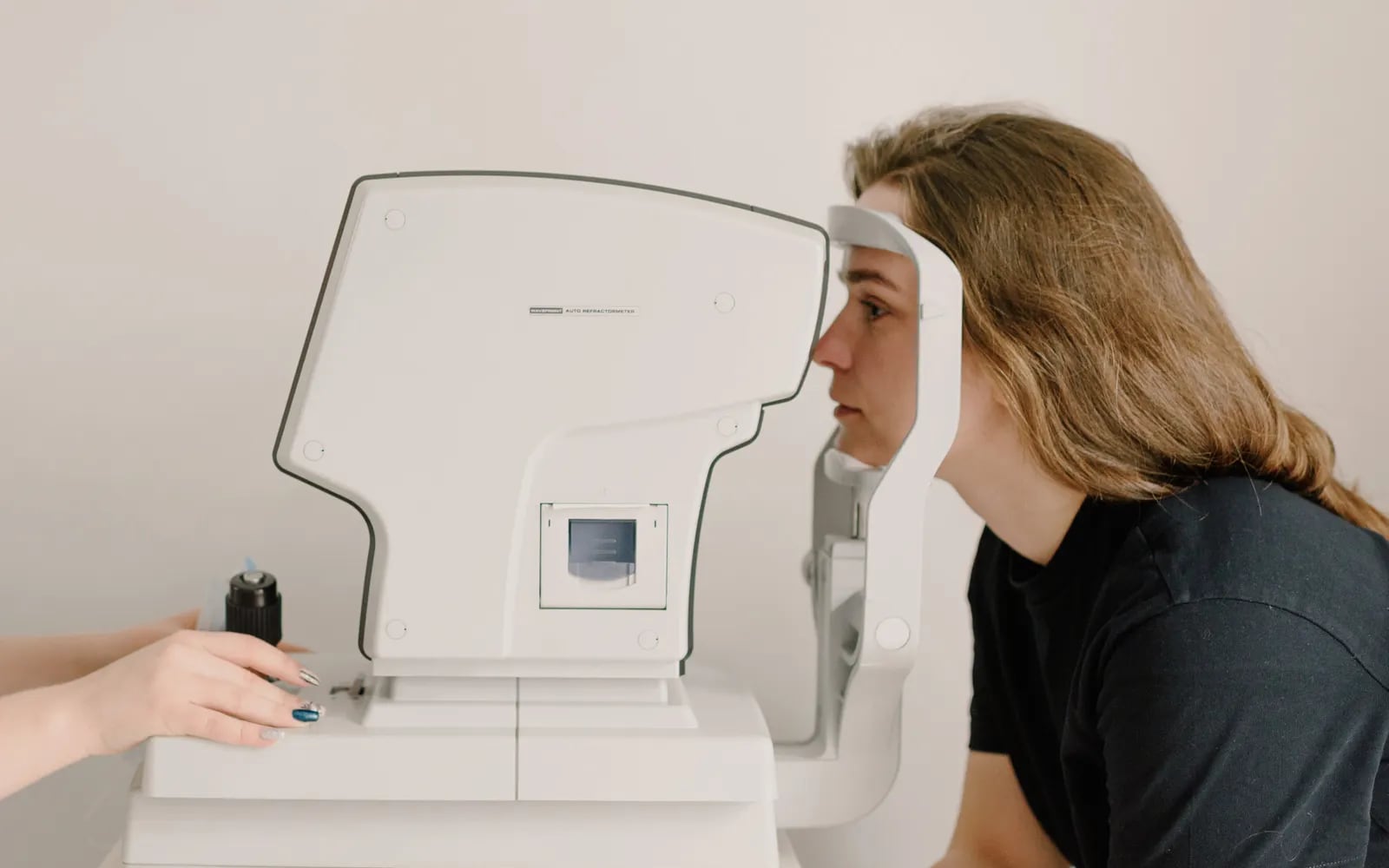
Ask for your corneal thickness and your pupil size in the dark, and ask what they mean for your specific risk. Ask whether you have any degree of dry eye now. Ask what the plan is if you are under-corrected, whether a re-treatment is possible with your corneal thickness, and who pays for it. Ask what happens to your near vision as you get older — laser correction of distance vision does not prevent the age-related loss of near focus that arrives in your forties.
If you are told at assessment that you are not a candidate, that is the assessment working. Being declined for thin corneas is a better outcome than being accepted with them.
What pre-operative assessment involves is described on the vision treatments page, alongside the rest of our treatments, with stay length and follow-up arrangements under packages and prices.
Candidacy for laser eye surgery cannot be assessed remotely — it requires corneal measurement, pupil measurement and a full eye examination. What we can do beforehand is review your prescription history, your general health and any eye conditions to tell you whether an assessment is worth travelling for. Send those details through our contact page and we will give you an honest view free of charge, including if the likely answer is that you are not a candidate.