How Rhinoplasty Actually Works and What to Expect in Türkiye
Rhinoplasty reshapes the nose for cosmetic and breathing concerns, with a healing process that continues long after visible swelling fades.
Rhinoplasty addresses both the appearance and function of the nose, combining surgical techniques with a long-term healing process that requires realistic expectations.
Why People Seek Rhinoplasty and What It Can Address
Cosmetic goals and common motivations
Many adults consider rhinoplasty to address concerns about the shape or size of their nose, often with the goal of improving facial harmony or self-confidence. Typical reasons include smoothing a pronounced hump, refining a wide or bulbous tip, correcting a crooked bridge, or adjusting nostril size and symmetry. Those who feel their nose appears out of proportion with their other features may seek a consultation. Before surgery, you can review before-and-after rhinoplasty results to better understand the range of changes that may be possible. A detailed discussion with your surgeon helps clarify what can be achieved for your individual facial structure.
Breathing problems and functional benefits
Difficulty breathing, often caused by a deviated septum or narrowed nasal passages, is another reason some people consider rhinoplasty. Internal structural issues can contribute to persistent congestion, snoring, or discomfort. When both appearance and function are concerns, cosmetic and functional corrections can sometimes be combined in one procedure. For example, septoplasty or other internal repairs may be performed alongside reshaping the nose. The surgical plan is tailored to your anatomy and needs, and the examining physician will determine the safest and most appropriate approach for your situation.
| Approach | Incisions | What It Can Change | Visible Scars | Recovery Time | Suitable For |
|---|---|---|---|---|---|
| Open Rhinoplasty | Across columella + inside nostrils | Major structural changes (bone, cartilage, tip, septum) | Small external scar (columella) | 1–2 weeks for initial recovery; full result in 12–24 months | Complex reshaping, revision cases |
| Closed Rhinoplasty | Inside nostrils only | Moderate changes (mainly tip, bridge, minor septum) | No external scars | 1–2 weeks for initial recovery; full result in 12–18 months | Limited changes, no major deformity |
| Non-Surgical (Liquid) Rhinoplasty | No incisions (injectable) | Minor contour changes (cannot reduce size or fix function) | No scars | Hours to a few days | Temporary correction, minor shape issues |
Surgical and Non-Surgical Options Compared
Traditional rhinoplasty: open and closed techniques
There are two main surgical approaches for rhinoplasty: open and closed. Open rhinoplasty involves a small incision across the columella (the tissue between the nostrils), which allows the skin to be lifted for direct visibility of the bone and cartilage. This approach can be helpful for more complex reshaping or for correcting significant asymmetry. Closed rhinoplasty uses incisions placed inside the nostrils, leaving no visible external scar and often allowing for a somewhat shorter recovery. However, access to the nasal structures is more limited. Both methods allow changes to bone, cartilage, and the nasal tip. The decision about which technique to use depends on your specific goals and the complexity of the changes discussed with your surgeon.
Non-surgical (liquid) rhinoplasty: possibilities and limits
Non-surgical rhinoplasty, sometimes called "liquid rhinoplasty," uses injectable fillers to temporarily adjust contours or smooth small bumps. Results are immediate but generally last several months. No incisions or anesthesia are needed, but this method cannot reduce nose size, improve breathing, or address major structural concerns. Surgery is typically considered when the goal is to reposition bone or cartilage, reduce overall nose size, or resolve functional problems. If you want to learn more about surgical and non-surgical facial procedures, you can see our cosmetic dermatology treatments for non-invasive options, or read about surgical solutions.
Inside the Operating Room: Step-by-Step Process
Anaesthesia, duration, and preparation
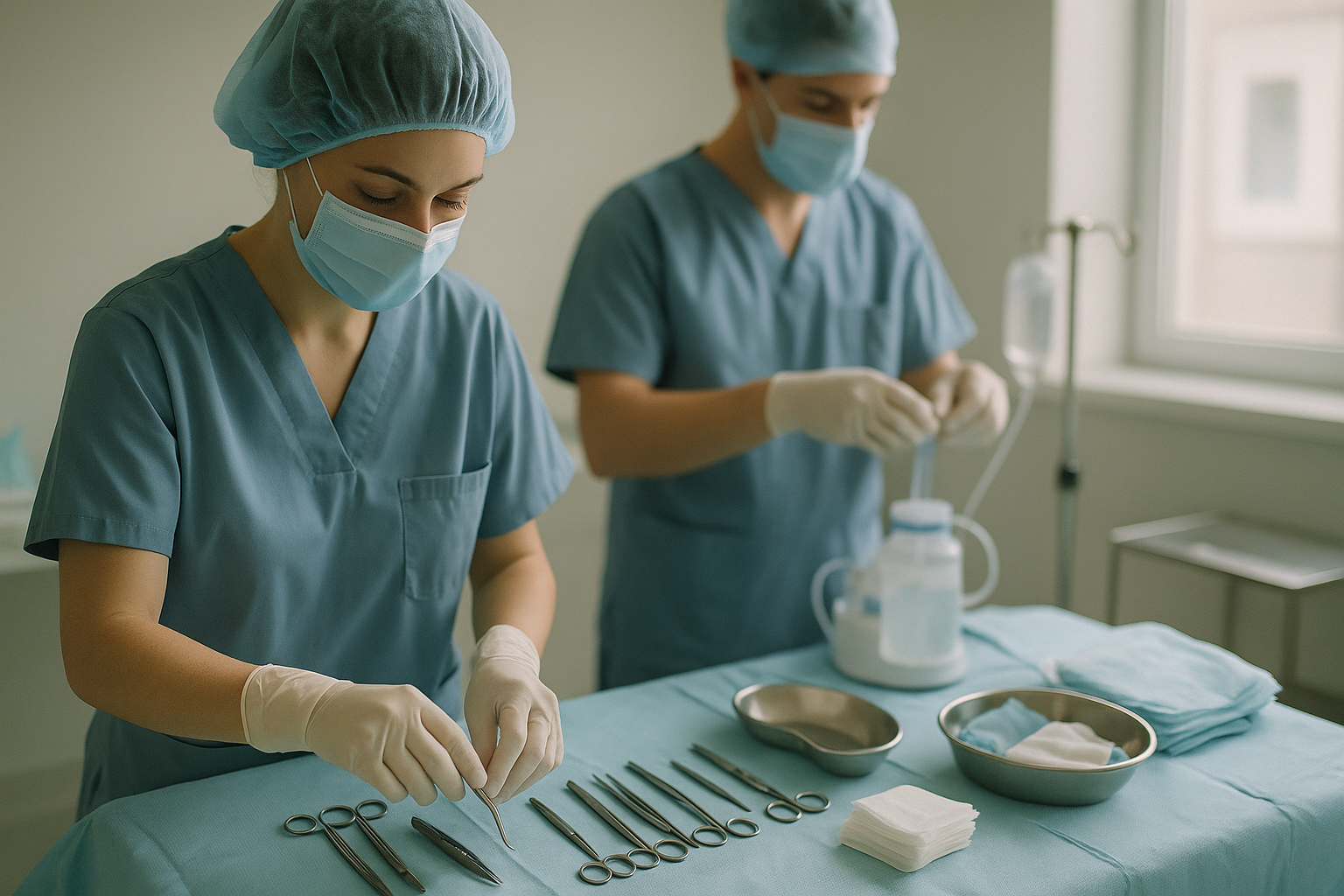
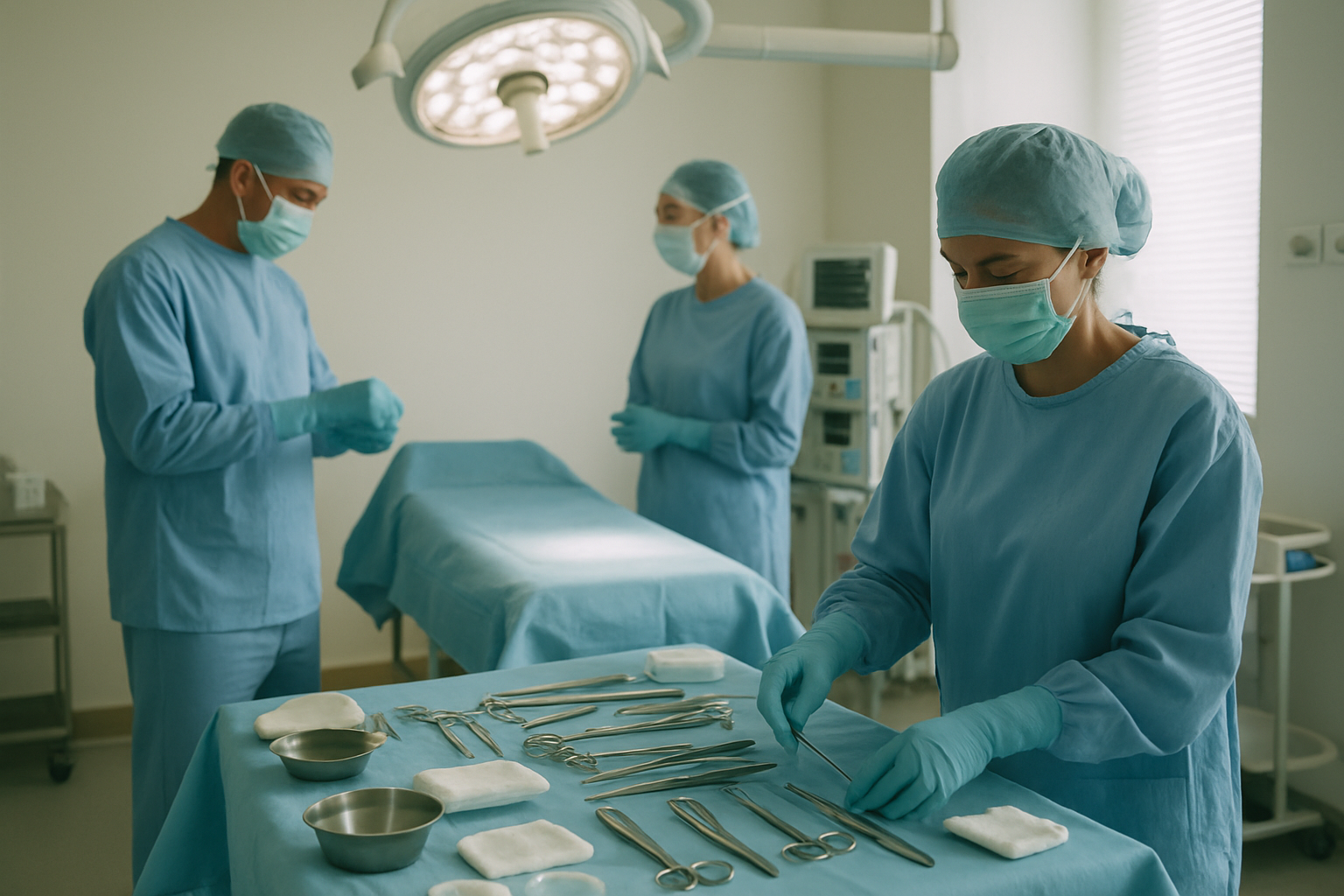
Rhinoplasty in Türkiye is usually performed under general anaesthesia, meaning you are fully asleep during the operation. For some less complex cases, local anaesthesia with sedation may be an option. Most procedures last between 1.5 and 3 hours, though revision surgeries or more extensive changes can take longer. Before surgery, you'll have a medical assessment, discuss your health history, and may need blood tests or imaging. The surgeon will mark your nose to plan the changes and review the procedure with you in detail. Standard preparation includes fasting for several hours before surgery, removing jewelry, and avoiding certain medications as advised by your doctor to minimise risk.
Incisions, bone and cartilage reshaping, grafts
Incisions for rhinoplasty are made either inside the nostrils (closed) or across the columella (open), depending on the planned changes. After lifting the skin, the surgeon reshapes bone and cartilage as needed—this may involve shaving or repositioning the nasal bones, trimming cartilage, or using grafts from the septum or ear to add support or refine contours. Fine sutures secure the new structure. Once reshaping is complete, the skin is repositioned and the incisions are closed. An external splint is usually placed to support the nose during the initial healing phase, typically worn for about a week.
What Happens After Surgery: Recovery Timeline and Care
Immediate post-op period and first days
After rhinoplasty, you will spend a few hours in recovery. Nasal packing or internal splints may be placed to support healing and reduce bleeding. An external splint or cast protects the nose's new shape. Swelling and bruising around the nose and eyes are common in the first days. Breathing through the nose may feel difficult at first due to swelling and dressings. Mild discomfort or a blocked sensation is typical and can be managed with guidance from your care team. Keeping your head elevated and applying cold compresses to the cheeks (not directly on the nose) can help reduce swelling. It's best to avoid strenuous activity and any risk of impact during this period.
Milestones: swelling, bruising, return to activities
Swelling and bruising usually peak in the first week and then gradually improve. The external splint is typically removed 7 to 10 days after surgery. Many people return to desk work or light social activities within 10 to 14 days, though some swelling may remain. Bruising often fades by the end of the second week. Most major swelling subsides within the first month, but subtle swelling—especially at the tip—can last several months. The appearance of your nose continues to refine for 6 to 12 months. For a closer look at the range of outcomes and healing timelines, you can view our rhinoplasty results.
Risks, Side Effects, and When to Seek Medical Advice
Common short-term side effects
After rhinoplasty, swelling around the nose and under the eyes is expected and typically peaks within the first few days. Bruising may also appear, mainly below the eyes, and often fades over one to two weeks. Temporary numbness at the tip of the nose or upper lip can occur as the nerves recover. Mild discomfort or a feeling of tightness is common, especially in the first week. Many people notice temporary breathing obstruction due to internal swelling or splints; this usually improves as the healing process advances. According to the European Academy of Facial Plastic Surgery (EAFPS), these effects are part of normal recovery and generally resolve on their own as tissues settle. If you are curious how rhinoplasty outcomes can look as healing progresses, you can view results you can look at closely on our website.
Rare but serious complications
Less frequent but important risks include infection at the surgical site, persistent asymmetry, or difficulties with nasal breathing that do not resolve over time. Some individuals may experience a reaction to anesthesia, ongoing numbness, or the development of small visible blood vessels. In rare cases, revision surgery may be considered if results differ from expectations or breathing issues persist. Unexpected bleeding, severe pain that does not subside, high fever, or yellow or green discharge warrant immediate contact with a physician. Prompt evaluation helps address complications early and support the safest recovery possible.
Who May Not Be Suitable for Rhinoplasty
Health, age, and skin factors
Rhinoplasty may not be recommended for individuals whose facial growth is not yet complete. This is usually the case for those under 18, as further development could alter results. Certain chronic health conditions, such as uncontrolled diabetes, bleeding disorders, or significant heart or lung disease, can increase the risks related to surgery and recovery. Those who have had recent nasal surgery or injury may need to wait until tissues are fully healed. Skin quality also plays a role: very thick or exceptionally thin skin can influence what is achievable and how changes appear after surgery. The examining physician evaluates these factors carefully before making a recommendation.
Unrealistic expectations and psychological readiness
Having clear and realistic goals is essential before considering rhinoplasty. If expectations are not achievable or if concerns are rooted in unaddressed psychological distress, surgery may not be the right path. For example, someone hoping for an exact copy of another person’s nose, or expecting a change in nose shape to resolve unrelated personal issues, may benefit from further discussion with a healthcare professional. The final decision always rests with the examining physician, who works with you to determine if rhinoplasty matches both your physical and emotional needs. Exploring both surgical and non-surgical options is encouraged, and more information can be found in our plastic surgery overview.
Revision and Secondary Rhinoplasty: What’s Different?
Why a second surgery may be needed
A second rhinoplasty, known as revision or secondary rhinoplasty, is sometimes considered when the initial result does not align with expectations or when functional issues arise. Common reasons include dissatisfaction with the shape or symmetry, difficulty in breathing, or visible irregularities that develop as the nose heals. According to the British Association of Plastic, Reconstructive and Aesthetic Surgeons (BAPRAS), it is not unusual for subtle changes or imperfections to become noticeable only after swelling has fully resolved, which may take up to a year. Other reasons for revision may include the shifting of tissues, development of scar tissue, or changes that affect the nasal airway.
How revision rhinoplasty differs from primary surgery
Revision procedures are often more complex than initial rhinoplasty. Surgeons may encounter scar tissue from the first operation, altered anatomy, or weakened cartilage and bone. These factors can increase the technical difficulty, sometimes requiring cartilage grafts from the ear or rib to restore structure and support. Surgery may last longer due to the need for careful dissection and reconstruction. Most specialists recommend waiting at least 12 months after the first procedure before considering a revision. This allows swelling to resolve and tissues to stabilize, giving a clearer picture of the final result. Detailed before-and-after images of previous cases can be reviewed on results you can look at closely to inform discussions about possible outcomes.
Life After Rhinoplasty: Long-Term Considerations
How lifestyle and habits impact results
Daily habits and environment shape the long-term appearance and function of the nose after rhinoplasty. Wearing heavy glasses in the weeks after surgery can put pressure on the healing bridge and affect the final contour. Frequent sun exposure may lead to increased pigmentation or swelling, particularly during the early healing phase. Contact sports or activities with a risk of facial impact should be discussed with your surgeon, as even minor trauma can alter the shape. Adapting your activities during recovery and for several months afterward helps support a stable, lasting result. For further reading on recovery and lifestyle adjustments, you can explore our plastic surgery information.
Skin thickness and changes over time
The thickness of nasal skin has a significant effect on how the surgical modifications become visible. Those with thicker skin may notice swelling persists longer and subtle refinements may appear less pronounced, while thinner skin can reveal underlying changes more clearly but might be more prone to irregularities over time. Changes in the nose continue for months and sometimes even years after the procedure, as tissues soften and adapt. Regular follow-up visits allow your surgeon to monitor healing and discuss what is realistic as the final outcome may change gradually, not instantaneously.
Frequently asked questions
-
Open rhinoplasty uses a small incision on the columella (the strip between the nostrils) for greater access and visibility, while closed rhinoplasty places all incisions inside the nostrils. Open technique allows more complex changes, but both approaches can be effective depending on your goals.
-
Most people return to work or daily activities within 1 to 2 weeks as swelling and bruising subside. The nose continues to refine for 12 to 24 months before the final shape is fully visible.
-
Those whose facial growth is not complete, who have certain health conditions, unrealistic expectations, or a history of poor healing may not be suitable. The examining physician will assess your suitability during consultation.
-
Yes, rhinoplasty can address structural issues inside the nose, such as a deviated septum, to improve breathing, often at the same time as changing its shape.
-
Temporary swelling, bruising, and mild discomfort are common. Less frequently, complications such as infection, persistent breathing issues, or asymmetry can occur. Revision surgery may sometimes be needed.
-
Most visible changes appear after swelling subsides in a few weeks, but the nose shape continues to refine for up to two years. Patience is important for the final outcome.
-
Non-surgical rhinoplasty uses fillers to temporarily alter the shape of the nose. It cannot reduce size or improve breathing and is best for minor contour changes.
-
Surgeons typically recommend waiting at least one year after your previous surgery before considering revision, allowing the tissues to settle and heal.
-
Open rhinoplasty leaves a small scar on the columella, which usually becomes discreet. Closed rhinoplasty leaves no external scars as all incisions are made inside the nostrils.
-
Rhinoplasty is usually performed under general anaesthesia, but some cases may use deep sedation. The appropriate method is chosen by your surgical team after assessment.
Sources
- American Society of Plastic Surgeons (ASPS)
- European Academy of Facial Plastic Surgery (EAFPS)
- British Association of Plastic, Reconstructive and Aesthetic Surgeons (BAPRAS)