What Happens During Plastic Surgery and How the Process Unfolds

From consultation to recovery, see how plastic surgery is performed and what to expect at every stage.
Plastic surgery combines medical expertise and careful planning to reshape or restore body features through a series of well-defined steps.
Understanding Plastic Surgery: Definitions and Main Purposes
The difference between cosmetic and reconstructive procedures
Plastic surgery includes both cosmetic and reconstructive approaches. Cosmetic surgery is selected by those who wish to modify or enhance their appearance. Examples include rhinoplasty (reshaping the nose), breast augmentation, and facelifts. These interventions often address features that have changed with age, pregnancy, or weight shifts, or characteristics the individual has always wanted to alter.
Reconstructive surgery focuses on correcting physical changes resulting from injury, illness, congenital differences, or previous operations. This might involve repairing a cleft lip or palate, breast reconstruction after mastectomy, or restoration after trauma. Here, the main aim is to restore function, with appearance also taken into account. Both types of procedures require thorough planning and a personalized approach. For an overview of available options, visit our plastic surgery treatments page.
Who seeks plastic surgery and for what reasons
People of different ages and backgrounds may consider plastic surgery for a range of reasons. Many individuals in their 20s and 30s choose cosmetic procedures to address features they have long thought about, like the nose or ears. Those in their 40s and beyond might look for options to refresh facial contours or adjust their bodies after changes such as childbirth or weight loss. Both men and women seek these interventions, though their motivations can be personal and varied. Reconstructive procedures are often considered after injury, illness, or congenital differences. The choice to proceed is individual and ideally follows a detailed discussion with a qualified surgeon about expectations and possible outcomes.
Types of Plastic Surgery Procedures for Face and Body
Common facial procedures and their aims
Facial plastic surgery offers several procedures tailored to specific features or age-related changes. Rhinoplasty adjusts the shape or size of the nose, sometimes improving breathing as well as appearance. Blepharoplasty addresses drooping eyelids or puffiness around the eyes. Facelifts (rhytidectomy) focus on sagging skin and deep lines, aiming to create smoother contours. Otoplasty modifies ear shape or position, while chin augmentation can change facial balance. Techniques and extent are selected based on each person's goals and anatomy. See examples of different approaches and results on our results you can look at closely page.
Popular body procedures and non-surgical options
Plastic surgery for the body includes procedures that reshape or adjust specific areas. Liposuction targets stubborn fat deposits that do not respond to lifestyle changes. Abdominoplasty (tummy tuck) removes extra skin and tightens the abdominal area, often after weight loss or pregnancy. Breast procedures—augmentation, reduction, or lift—address shape, size, or position according to the individual's preferences. Non-surgical alternatives such as injectables, laser treatments, and body contouring devices are available for those seeking less invasive changes. These typically involve shorter recovery times, but effects can differ in duration and intensity. For further detail on non-surgical options, see our cosmetic dermatology section.
| Procedure | Typical Duration | Anaesthesia | Outpatient/Inpatient | Key Purpose |
|---|---|---|---|---|
| Rhinoplasty | 1–3 hours | General or local | Usually outpatient | Reshape nose |
| Breast augmentation | 1–2 hours | General | Usually outpatient | Enhance breast size |
| Liposuction | 1–4 hours | Local or general | Outpatient or overnight | Remove fat deposits |
| Abdominoplasty | 2–4 hours | General | 1–2 nights | Flatten abdomen |
| Facelift | 2–5 hours | General | 1 night | Reduce facial sagging |
The Pre-Operative Journey: Consultation and Preparation
What happens during a consultation and assessment
At your first appointment, the physician reviews your medical history, including any chronic conditions, allergies, prior operations, and current medications. Discussion also covers your reasons and expectations for plastic surgery procedures. A focused physical exam is performed, with photographs and measurements taken as needed for planning. The physician outlines suitable options and what changes are realistically possible, emphasizing that outcomes differ between individuals. You are encouraged to ask questions about the process, recovery, and typical ranges of results.
Steps to prepare for surgery and informed consent
Preparation for surgery may include blood tests and other assessments to check overall health. Your medication and supplement list is reviewed, and certain substances may need to be paused before surgery to reduce bleeding risk. Smokers are usually asked to stop several weeks before the operation to support healing. Before the procedure, you will receive written information covering the intervention, possible risks, and alternatives. Informed consent is obtained after you have reviewed this material and asked any questions. Viewing photographs of results achieved by others can help illustrate what is possible and support realistic expectations.
How the Surgery Is Performed: Techniques and Teamwork
Surgical techniques used in plastic surgery
Plastic surgery uses a variety of techniques tailored to each procedure and person's anatomy. Incisions are typically placed in less visible areas to reduce noticeable marks. Some operations use tissue grafts, moving skin, fat, or other tissues from one part of the body to another. Medical-grade implants, such as those made from silicone, may be used to restore volume or structure. Different suturing methods are chosen based on the area and extent of surgery, ranging from fine absorbable stitches to stronger closures. Anesthesia—local, regional, or general—is selected according to the intervention and your health. The physician explains which methods are considered suitable and what sensations or timeframes you might expect.
Roles of the surgical team and operating environment
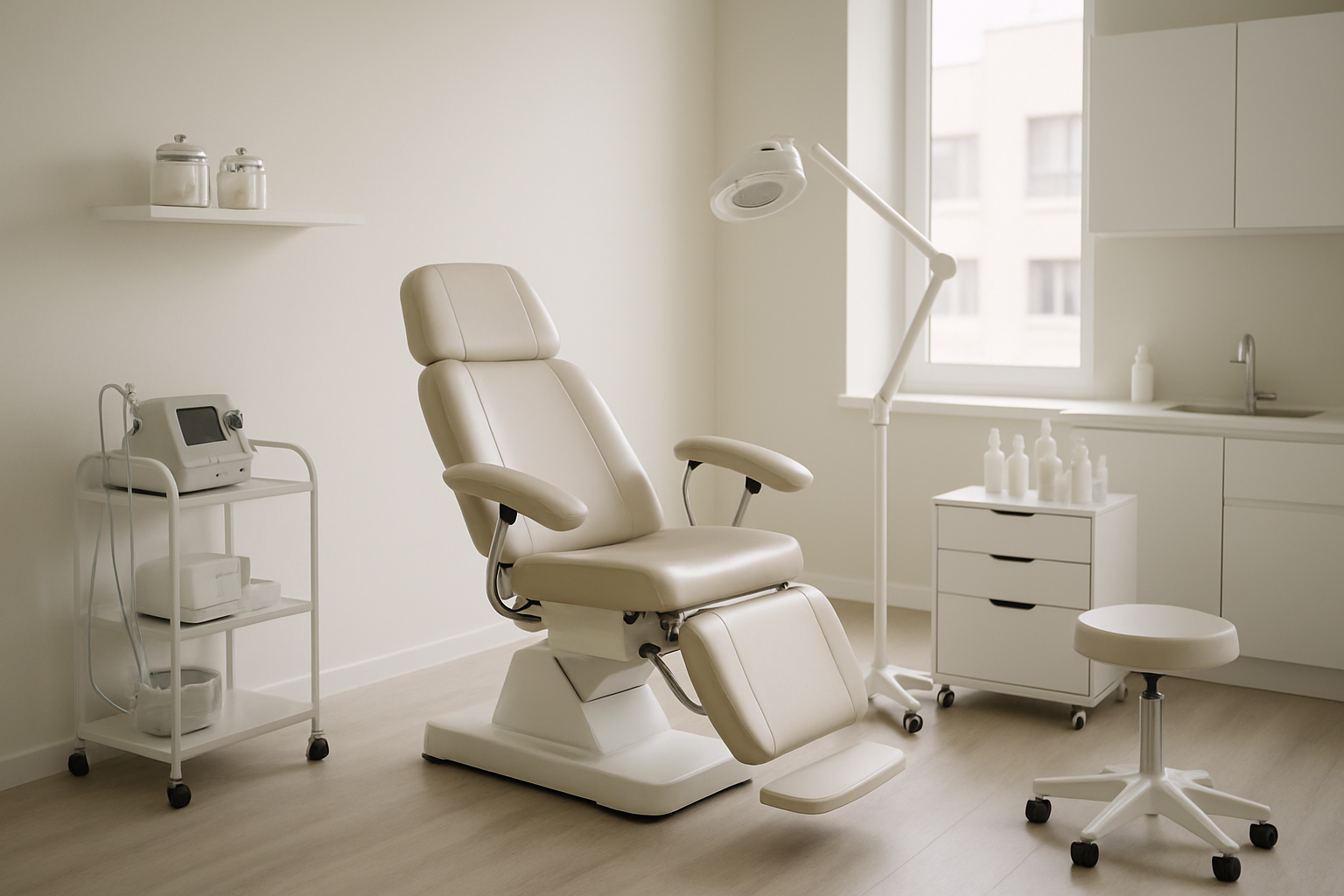
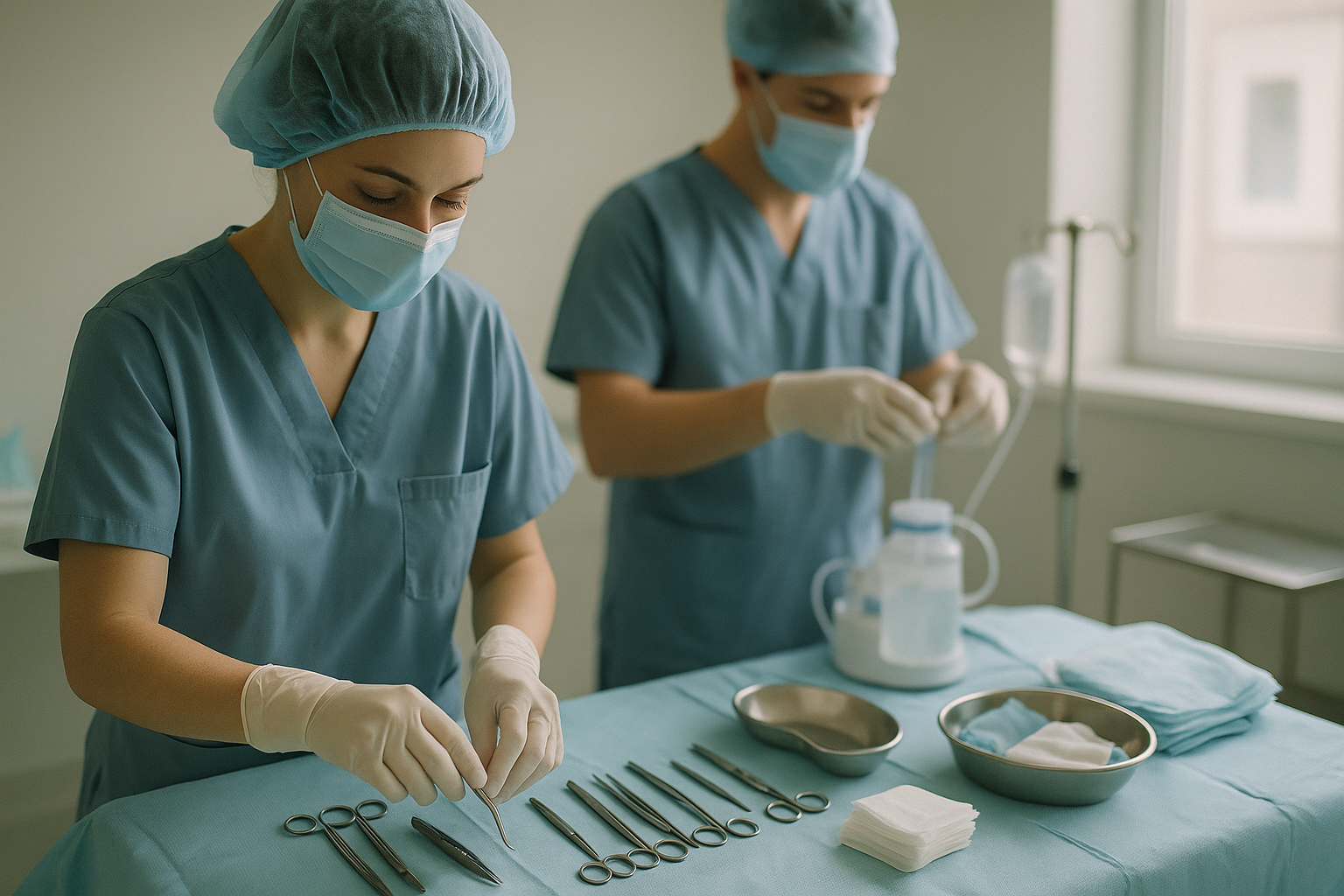
The operating room relies on coordinated teamwork. The lead surgeon performs the main procedure, assisted by another physician or surgical assistant. An anesthetist manages comfort and monitors vital signs. Nurses support the preparation and maintain sterile conditions. Strict protocols, including instrument counts and safety timeouts, are followed to reduce risks such as infection or bleeding. The environment is controlled for temperature, humidity, and lighting to support tissue health and visibility. Communication among team members continues through each phase of the operation. For information on post-surgical skin reactions and their management, see our article on how folliculitis may develop after surgery and what can help.
What to Expect After Surgery: Recovery and Aftercare
Immediate post-surgery period and hospital stay
Recovery begins in a monitored area, where your initial response to anesthesia and surgery is observed. Some procedures, such as body contouring, may require a hospital stay of 1–2 nights for additional monitoring. Others, like less invasive facial surgeries, are often performed as outpatient procedures, allowing you to return home the same day.
- Pain managementDiscomfort is normal after surgery. Oral or intravenous medications may be provided to help manage symptoms during the first hours and days.
- Dressings and drainsIncisions are covered with dressings, and small drains may be used to reduce fluid buildup. Drains are usually removed within a few days, guided by your progress.
- MonitoringMedical staff check your vital signs and incision sites before discharge. You will receive tailored instructions about wound care, movement, and sleeping position based on your procedure.
To explore the different types of surgery and what each involves, see our plastic surgery overview.
Long-term healing, scar care, and follow-up visits
Swelling and bruising typically decrease over the first 1–3 weeks. However, the healing process can extend for several months, with scars gradually maturing and fading. Ongoing care helps support the best possible recovery.
- Scar careClean incisions, limited sun exposure, and sometimes silicone-based products are used to support healing. Your surgeon may recommend specific gels or massage methods for scar management.
- Recovery timelineLight daily activities often resume in 1–2 weeks. More strenuous exercise or lifting is usually delayed for 4–8 weeks, depending on the surgery and your healing.
- Follow-up visitsRegular appointments allow your surgical team to monitor healing, answer questions, and remove sutures if necessary. These visits are planned according to your individual needs.
Viewing examples of results and recovery timelines from similar procedures can help you understand the typical process.
Risks, Side Effects, and Who Is Not Suitable for Surgery
Possible risks and how complications are managed
Plastic surgery, like any surgery, involves certain risks. Bruising, swelling, and temporary discomfort are common and usually resolve with time. Less frequent risks include bleeding, infection, or delayed healing. If a complication such as infection occurs, treatment may involve antibiotics or local care, depending on severity.
- Bleeding and hematomaMost bleeding is controlled during surgery, but occasionally a blood collection (hematoma) may form and require drainage.
- InfectionPreventive antibiotics and sterile procedures help reduce risk. Early signs are monitored at each follow-up appointment.
- ScarringAll surgical procedures leave scars, which vary in size and appearance based on location and individual healing.
- Anesthesia reactionsRare responses to anesthesia can occur. The anesthesia team is trained to manage these situations promptly.
For information on managing skin irritation or folliculitis after surgery, see our article How Folliculitis Really Develops and What Eases the Symptoms.
Situations and health factors that may preclude surgery
Certain health conditions can make plastic surgery unsuitable, either temporarily or permanently. Examples include uncontrolled diabetes, significant heart disease, or recent major surgery. Surgery may be delayed until these issues are better managed.
- SmokingSmoking increases the risk of wound healing problems and other complications. Many clinics require stopping smoking several weeks before and after surgery.
- Unrealistic expectationsIf the intended goals are not realistically achievable, or if surgery is sought for reasons based on outside pressure, it may not be recommended.
- Specific contraindicationsSome autoimmune diseases, ongoing infections, or allergies to anesthesia may mean surgery is not advised.
The examining physician will make the final decision about eligibility for surgery after a full assessment.
Importance of Surgeon Selection and Medical Assessment
Why board certification and experience matter
Board certification indicates that a surgeon has completed specialized training in plastic surgery and meets national standards. In Türkiye and other countries, this includes accredited residency and passing national exams. You can confirm a surgeon’s credentials through official medical registries or by asking the clinic for details.
Experience with the specific procedure you are considering is also important. Ask about the surgeon’s previous cases and request to see detailed examples of results. Discussing how complications are managed, as well as the qualifications of the support team, helps you understand the clinic’s approach. Prepare a list of your questions for the consultation—these may cover the surgical method, anesthesia, and the recovery process.
The necessity of thorough medical evaluation
A thorough, in-person medical evaluation is required before plastic surgery. This assessment reviews your health history, current condition, and goals. Blood tests, imaging, and a physical exam may be included to identify any risks or reasons surgery may not be suitable.
The recommendation for or against surgery is based on this evaluation. The surgeon will discuss whether the procedure is appropriate, suggest alternatives if needed, and explain any modifications for safety. This assessment cannot be replaced by remote or informal advice.
Decision Factors, Expectations, and Psychological Considerations
Setting realistic goals and understanding limitations
Discussing your motivations and expected changes in detail with the surgeon allows for an honest conversation about what is possible. Factors such as skin elasticity, age, and past procedures all play a role in determining realistic outcomes. During consultation, you may review before-and-after images, recovery timelines, and learn whether a staged approach is needed for your goals.
Understanding these factors helps you make informed decisions. For an overview of available procedures, see our plastic surgery treatments page.
Mental wellbeing before and after plastic surgery
Choosing plastic surgery can bring up a range of emotions. It is common to feel anticipation or anxiety before and after the procedure. Some people find it useful to discuss their motivations and expectations with the surgical team or a mental health professional. Support from family and friends, as well as preparing for the recovery period, can help you navigate the experience.
Long-term satisfaction depends on how well the results align with your values and expectations. If you have a history of body image concerns or are experiencing significant life changes, professional support may be recommended. For more on the psychological aspects of aesthetic procedures, see Vaginal Rejuvenation Offers More Than Tightening Alone.
Frequently asked questions
-
Cosmetic surgery aims to enhance appearance, while reconstructive surgery restores form and function after injury, illness, or congenital differences. Both follow similar surgical principles but address different needs.
-
Common facial procedures include rhinoplasty, eyelid surgery, and facelifts. For the body, liposuction, abdominoplasty, and breast surgeries are frequently performed.
-
Risks include bleeding, infection, scarring, anesthesia reactions, and unsatisfactory aesthetic results. Your surgeon will discuss these and monitor for any complications during recovery.
-
Look for board certification, membership in recognized professional societies, and a record of performing the specific procedure you are considering. Ask about training and experience at your consultation.
-
People with untreated health issues, certain mental health conditions, or unrealistic expectations may not be suitable. The examining physician will make the final decision after assessment.
-
Recovery varies by procedure but often includes some swelling, bruising, and discomfort for days to weeks, with full healing taking several months. Your surgeon will provide specific instructions for aftercare and follow-up.
-
Some concerns can be addressed with injectables, laser treatments, or other minimally invasive options. The suitability of these depends on your goals and will be discussed during consultation.
-
Discuss your goals openly with your surgeon. Understanding the limits of what surgery can achieve helps prevent disappointment and supports better satisfaction with the results.
-
Reconstructive procedures may be covered if medically necessary, but cosmetic surgeries are usually not. It is best to check with your insurer for the details of your coverage.
-
Contact your surgeon or clinic promptly if you notice unusual symptoms or have questions during recovery. Early communication helps address any problems quickly and safely.
Sources
- American Society of Plastic Surgeons
- British Association of Plastic, Reconstructive and Aesthetic Surgeons