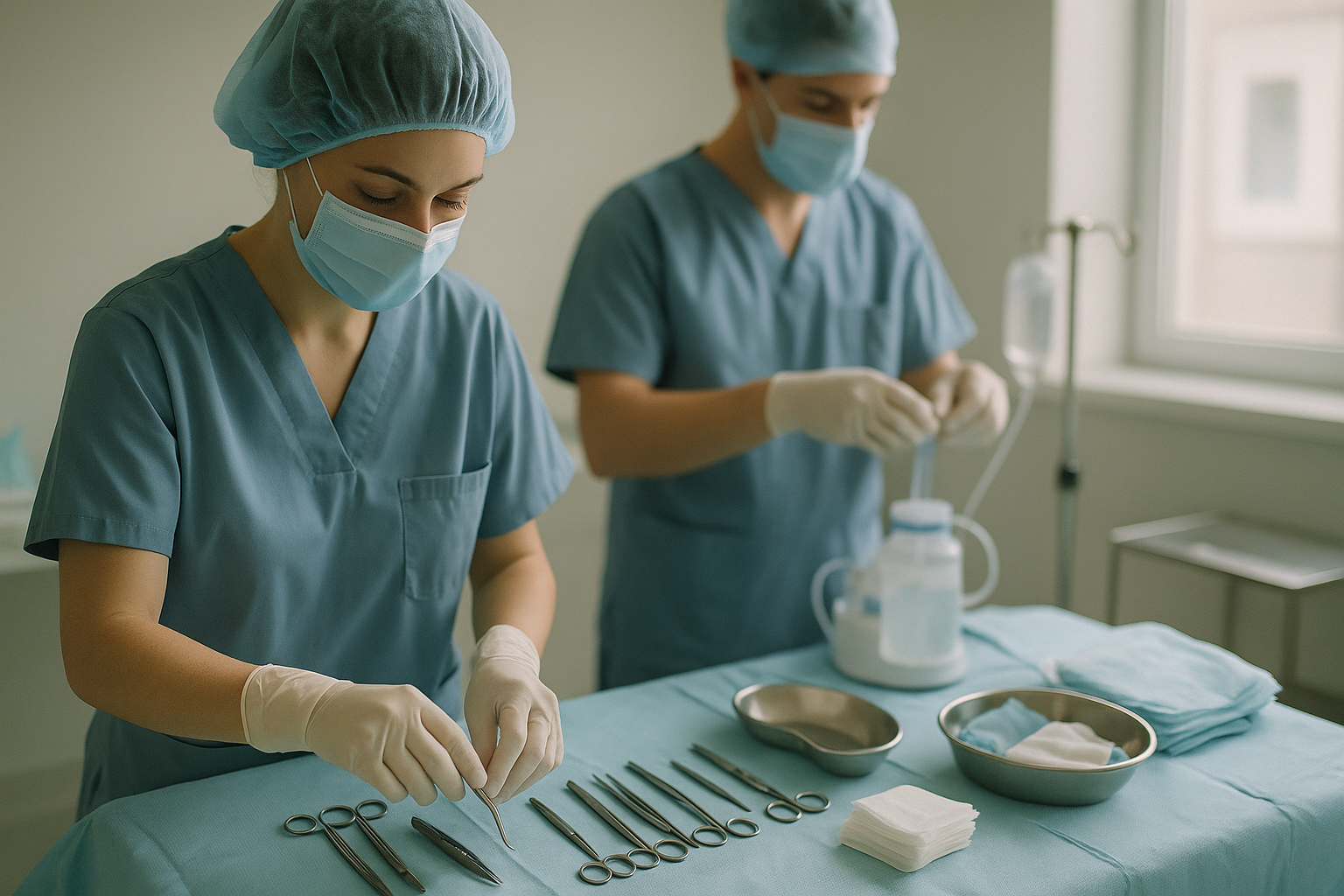
Cosmetic dermatology works through tailored non-surgical skin treatments
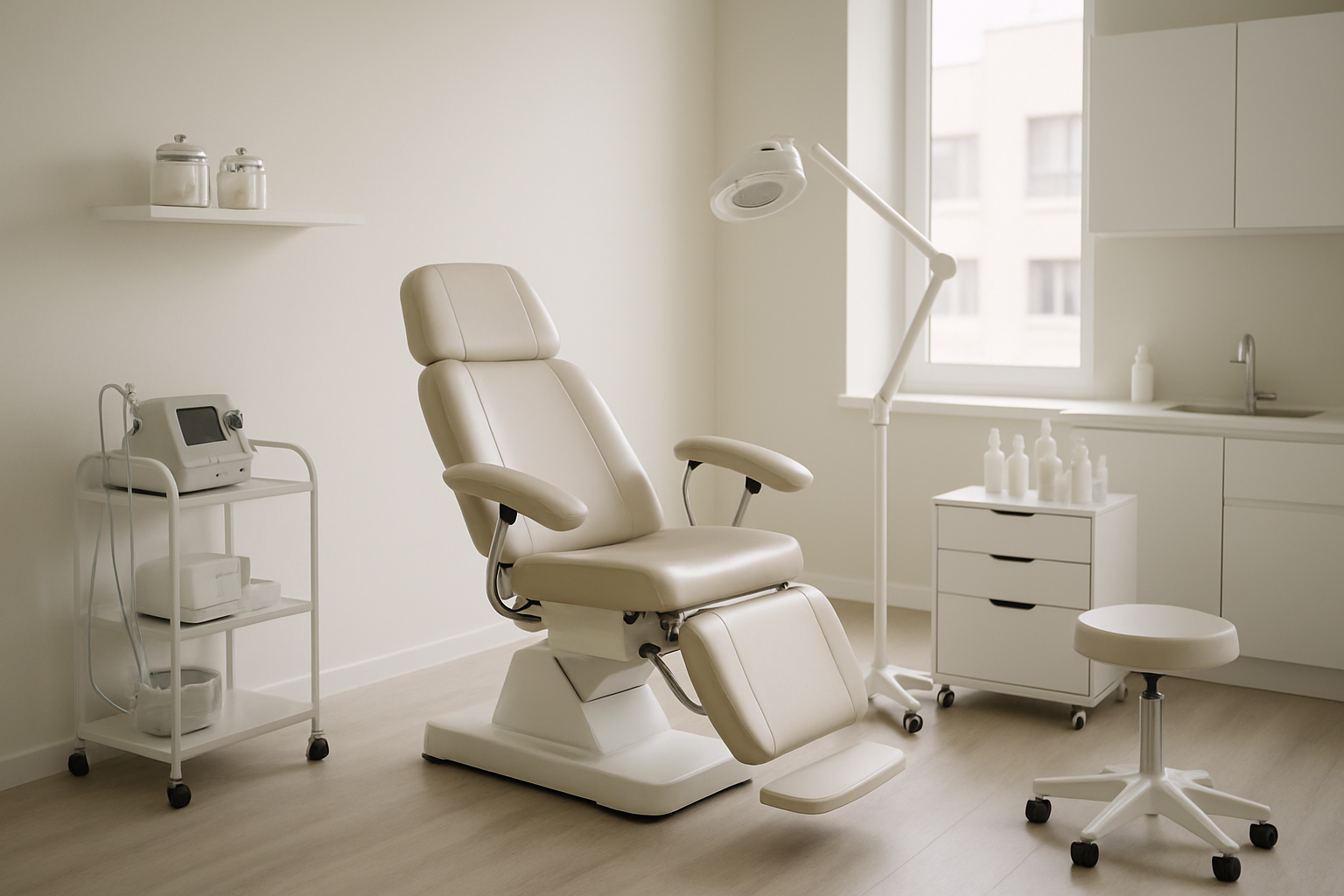
Explore how cosmetic dermatology uses minimally invasive treatments to address various skin concerns with short recovery times.
Cosmetic dermatology addresses skin concerns with minimally invasive treatments tailored to individual needs and lifestyles.
Understanding cosmetic dermatology and its scope
What defines cosmetic dermatology?
Cosmetic dermatology addresses visible changes in the skin’s appearance using non-surgical techniques. The focus is on concerns such as uneven tone, sun spots, fine lines, reduced skin volume, and texture changes. Most treatments are performed on the face, neck, or hands, but other areas may be included. Unlike approaches used for diagnosed skin diseases, cosmetic procedures are chosen by individuals wishing to refresh or rejuvenate their look.
Common options include injectables (such as wrinkle-relaxing agents and dermal fillers), chemical peels, laser treatments, microneedling, and energy-based devices. These are typically outpatient procedures, often with local anaesthetic or numbing cream, and aim for subtle, gradual changes. You can view results you can look at closely to see examples of how these treatments address specific concerns.
How it differs from medical dermatology
Medical dermatology diagnoses and treats skin diseases such as eczema, acne, psoriasis, skin cancer, and infections. Cosmetic dermatology, by contrast, focuses on changes that are not medically harmful but may be bothersome for aesthetic reasons. For example, lasers in medical dermatology might treat vascular lesions, while in cosmetic dermatology, they can target pigmentation or promote skin tightening.
- Cosmetic procedures: wrinkle-relaxing injections for expression lines, fillers for lost volume, chemical peels for pigmentation.
- Medical procedures: biopsies for suspicious moles, prescription medication for chronic rashes, removal of skin lesions.
Typical cosmetic dermatology concerns include fine lines, wrinkles, enlarged pores, acne scars, sun damage, uneven pigmentation, and changes in skin texture.
| Procedure | Main Purpose | Typical Duration | Downtime | Maintenance Interval |
|---|---|---|---|---|
| Botox | Soften dynamic wrinkles | 15-30 minutes | None to 1 day | Every 3-6 months |
| Dermal Fillers | Restore volume, contour | 20-40 minutes | 1-2 days possible | Every 6-18 months |
| Chemical Peel | Improve skin texture, pigmentation | 20-30 minutes | 1-5 days (depth-dependent) | Every 3-12 months |
| Laser Resurfacing | Smooth lines, even tone | 30-60 minutes | 3-7 days | Every 6-12 months |
| Microneedling | Refine texture, boost collagen | 30-45 minutes | 1-3 days | Every 3-6 months |
Most common procedures and how they work
Injectable treatments: Botox and fillers
Injectable treatments are a frequent choice in cosmetic dermatology. Wrinkle-relaxing injections (such as botulinum toxin) reduce dynamic wrinkles by temporarily relaxing specific muscles, often starting to work within a few days and lasting three to six months. Dermal fillers, usually made of hyaluronic acid, add volume beneath the skin to enhance contours or smooth lines. Filler effects are seen immediately and may last six months to over a year. Sessions typically take 15–30 minutes, with minimal downtime. Fine needles or cannulas are used, and most people experience brief discomfort.
Skin resurfacing: peels and lasers
Skin resurfacing aims to improve tone, texture, and pigmentation. Chemical peels use solutions such as glycolic or trichloroacetic acid to exfoliate the outer skin, reducing fine lines and sun spots. Peels range from light (with recovery in about a day) to deeper (up to a week of recovery). Laser treatments, including fractional and ablative lasers, deliver energy that stimulates collagen and renewal, and may address acne scars, wrinkles, or uneven pigmentation. Sessions take 20 to 45 minutes depending on the area. Microneedling is another method, using tiny needles to trigger a healing response and sometimes combined with serums. To learn more about these options, visit our cosmetic dermatology treatments page.
Minimally invasive techniques and typical timelines
What makes a procedure minimally invasive?
Minimally invasive cosmetic dermatology techniques use fine needles, microcannulas, or targeted devices to minimise disruption of the skin and underlying tissues. These procedures avoid surgical incisions and stitches. Examples include wrinkle-relaxing injections, chemical peels, microneedling, and certain laser therapies. While some methods involve tiny punctures, others—such as some laser or light treatments—do not break the skin at all. These options are chosen by those seeking visible improvement with less recovery than surgical alternatives, and the effect is generally gradual and subtle.
Recovery and downtime: what to expect
Most minimally invasive treatments are completed in 30 to 90 minutes. Recovery varies: injectable treatments may allow return to daily activities the same or next day, while chemical peels or laser sessions can cause mild redness or flaking for 2 to 5 days. For those visiting Türkiye, these treatments can fit into a short trip; many schedule sessions at the start of a 1 to 3-day stay. You can see results you can look at closely from previous treatments to understand typical healing stages. Aftercare and timelines depend on the procedure and your skin characteristics.
Who may not be suitable for cosmetic dermatology treatments
Health conditions and contraindications
Certain medical issues and skin conditions may mean some cosmetic dermatology treatments are not suitable. Active skin infections, such as herpes outbreaks or untreated acne cysts, can increase the risk of complications. People taking blood thinners or immunosuppressive medications may need to postpone or modify procedures. Pregnancy and breastfeeding usually limit available options, as safety data is lacking for many treatments. Chronic skin diseases like eczema or psoriasis can sometimes flare after certain interventions. Allergies to ingredients in injectables or peels should always be discussed with your dermatologist. If you want more detail on skin issues that affect eligibility, see our article on how folliculitis really develops and what eases the symptoms.
Why a dermatologist consultation is essential
A consultation with a qualified dermatologist is necessary before any cosmetic dermatology procedure. The dermatologist reviews your medical history, current medications, and examines your skin to determine what is appropriate and safe. This consultation includes questions about your goals and expectations, and a discussion of which treatments may be suitable or should be avoided. Since skin sensitivities and risks vary, personal assessment helps reduce complications. The final decision about the treatment plan belongs to the dermatologist, who will consider all medical factors. For an overview of available techniques, visit our cosmetic dermatology options page.
Risks, possible side effects, and safety measures
Short-term effects: swelling, redness, bruising
Some cosmetic dermatology procedures may result in mild, temporary effects shortly after treatment. Swelling, redness, and bruising are among the most common reactions. For example, after injectables such as fillers or neuromodulators, you might notice swelling or pinpoint redness at the injection site for several hours to a few days. Chemical peels or certain laser procedures can cause more noticeable redness or mild peeling that often fades within a week. Bruising, if it occurs, usually resolves within one to two weeks. Guidance on managing these effects—such as using cold compresses or avoiding certain medications—is generally provided, but recovery time depends on the procedure and individual response. If you want to learn more about how folliculitis or other minor skin reactions may present and how they are typically managed, see how folliculitis develops and what eases the symptoms.
Long-term considerations and rare complications
Beyond the usual short-term effects, there are some less frequent or longer-lasting risks to be aware of. These can include persistent changes in skin pigmentation (either darkening or lightening), small areas of scarring, or uneven skin texture, particularly after deeper resurfacing procedures. Allergic reactions to certain injectables or topical products are rare but can occur. More serious complications, such as infection or unintended tissue injury, are also possible but uncommon, and are monitored for during follow-up. Clinics follow protocols like pre-procedure screening, sterile technique, and detailed aftercare instructions to help reduce these risks. If any complication arises, access to timely follow-up care is important. The examining physician will make the final decisions about safety and treatment options based on your individual health and skin characteristics.
Personalising treatment: consultation and planning
Initial assessment and setting expectations
Assessment begins with a review of your skin, medical background, and any previous treatments. This conversation also covers your goals—such as smoothing lines, evening skin tone, or targeting acne scars. The clinician will explain what different techniques may address, how many sessions might be needed, and any limitations related to your skin type or health. By discussing the range of potential outcomes and side effects, you can make a more informed decision. To see examples of outcome ranges, you may view real results from various cosmetic dermatology treatments.
Building a stepwise treatment plan
After clarifying goals and expectations, a treatment plan is mapped out. This may involve scheduling several treatments—such as combining injectables with laser or peels—across weeks or months. The plan is adapted for factors like skin type, age, and how your skin reacts. For example, those with sensitive or darker skin may be recommended certain devices or techniques with lower risk of pigmentation changes. Spacing sessions allows for gradual improvement and monitoring. Timelines for review are set, with flexibility to adjust as progress is observed. To explore available options and personalisation, see the cosmetic dermatology treatments offered.
Aftercare and maintaining results
Immediate post-treatment steps
After a cosmetic dermatology session, following aftercare instructions supports healing. For procedures like chemical peels, microneedling, or laser resurfacing, gentle cleansing, moisturising, and using high-SPF sunscreen are commonly advised. Redness, swelling, or sensitivity may occur and typically resolve within hours to several days, depending on the method. Cooling compresses or fragrance-free moisturisers may be suggested to ease discomfort. For injectables, avoiding strenuous exercise, direct sun exposure, and alcohol for 24 to 48 hours is often recommended. Makeup is generally avoided until the skin surface recovers, which may be immediately or up to 48 hours post-procedure. Most people return to daily activities within a few hours to a few days, though swimming or vigorous activity may need to wait longer. Aftercare is tailored by the examining physician according to the procedure and your skin’s response.
Long-term skin care and maintenance visits
Maintaining results relies on ongoing home care and periodic clinic visits. Daily routines usually involve gentle cleansing, regular moisturising, and consistent sun protection. Those with a history of pigmentation changes or sensitive skin may need to be especially careful with sun exposure. Depending on the treatment, maintenance sessions—such as touch-up injections, exfoliation, or laser—may be advised every few months to a year. Follow-up appointments allow your clinician to monitor your skin and update recommendations if necessary. To see what long-term maintenance can involve, review examples of real outcomes from different treatments. Staying in contact with your clinic and attending scheduled reviews helps address any evolving skin needs or concerns promptly.
Emerging trends and future directions in cosmetic dermatology
Biostimulating fillers and regenerative approaches
Biostimulating fillers, such as those containing calcium hydroxyapatite or poly-L-lactic acid, are designed to encourage your own collagen production rather than simply adding volume. This process may gradually improve skin firmness and elasticity over several months. Regenerative approaches—like platelet-rich plasma (PRP) and newer cell-based therapies—use your own biological material to support texture and resilience. These methods usually show results gradually and may involve several sessions. For more about how skin regeneration and inflammation work, see the mechanisms behind skin regeneration and inflammation. Whether these options are suitable is determined during your individual consultation.
Advances in safety and practitioner accreditation
Safety and practitioner training have become central priorities in cosmetic dermatology. Accreditation requirements for clinicians in Türkiye and Europe now include hands-on training and ongoing education. Clinics are updating protocols for infection control, allergy screening, and emergency procedures. The introduction of minimally invasive devices and international safety standards has further reduced risks associated with non-surgical treatments. These developments help practitioners deliver care more safely and increase the range of available options. Choosing a provider who participates in regular training and communicates openly about both benefits and limitations is recommended. As research and technology progress, further personalised and precise options are likely to emerge.
Frequently asked questions
-
Cosmetic dermatology covers procedures such as injectable treatments (Botox, fillers), chemical peels, laser resurfacing, microneedling, and non-surgical skin tightening. These procedures aim to improve skin appearance and texture.
-
Cosmetic dermatology focuses on improving the skin's appearance, while medical dermatology addresses skin diseases and medical conditions. Both require evaluation by a trained dermatologist.
-
Recovery time depends on the specific treatment. Many minimally invasive procedures have little to no downtime, with most people resuming daily activities within 1 to 3 days.
-
Like any medical procedure, these treatments can have risks such as redness, swelling, bruising, or, rarely, infection or pigment changes. An experienced dermatologist will discuss possible side effects with you.
-
Certain health conditions, active skin infections, pregnancy, or some medications may make these treatments unsuitable. A thorough assessment by a dermatologist is necessary before proceeding.
-
Results vary by treatment. Injectable fillers may last 6-18 months, while laser and peel effects can last several months to a year. Maintenance treatments are often needed.
-
Look for a practitioner with accredited dermatology training and experience in cosmetic procedures. You can ask about their credentials and professional memberships during your consultation.
-
A consultation is always required. This allows the dermatologist to assess your skin, understand your goals, and recommend suitable options.
-
Most treatments cause only mild discomfort, often managed with numbing creams or cooling. Sensations vary depending on the procedure and individual sensitivity.
-
Yes, treatments are often combined for enhanced results. The dermatologist will help you plan a safe and effective sequence based on your needs.
Sources
- British Association of Dermatologists
- American Academy of Dermatology