Can a Beard Transplant Really Restore a Fuller, Natural-Looking Beard?
Explore how beard transplant procedures can address sparse or patchy facial hair and what to expect from modern techniques.
A beard transplant can offer a natural solution for those looking to restore or enhance facial hair where it is sparse or absent.
Understanding Beard Transplant Procedures
How facial hair transplantation differs from scalp procedures
Beard transplantation shares several similarities with scalp hair restoration, but important differences set the two procedures apart. The hair follicles for beard transplants are typically harvested from the back or sides of the scalp, as these areas offer hair with a texture closest to facial hair. Unlike scalp transplants, where large areas may require thousands of grafts, beard procedures involve targeted work on smaller facial zones. Key facial areas commonly addressed include the cheeks, moustache, chin, and jawline. The goal is to achieve a pattern that looks natural within the context of your facial features and existing hair growth.
The key stages: extraction, design, and implantation
Beard transplantation follows a series of well-defined steps. Extraction begins with the careful removal of hair follicles from the donor area, often using minimally invasive techniques. Depending on your needs, anywhere from 300 to 2,500 grafts may be transplanted, with smaller numbers for filling patchy areas and larger numbers for creating a full beard or moustache. Design happens next: the surgeon works with you to outline the desired beard shape and density, taking face shape and your goals into account. Implantation is performed by placing the prepared follicles into tiny incisions in the beard area, angling them to mimic natural hair growth. You can view examples of beard transplants and outcomes in our collection of detailed before-and-after results.
Techniques Used: FUE, DHI and Their Differences
Follicular Unit Extraction (FUE) in beard restoration
Follicular Unit Extraction, or FUE, is a widely used approach in beard transplantation. In this method, hair follicles are individually removed from the donor area on the scalp using a fine punch tool. Each follicle, or small group of hairs, is handled with precision to preserve its integrity. The extracted follicles are then inserted into tiny incisions made in the beard area. FUE allows for a natural distribution of hair across facial zones such as the cheeks, jawline, and upper lip. Depending on the number of grafts and zones addressed, an FUE session may last anywhere from 2 to 8 hours. The method is commonly used for both full-beard creation and for filling in sparse areas.
Direct Hair Implantation (DHI) and its unique features
DHI, or Direct Hair Implantation, builds on the FUE technique but adds a specialized pen-like instrument for graft placement. This device allows the clinician to implant follicles directly into the skin with a single motion, which may allow for denser placement in certain facial zones. The pen gives finer control over the angle and depth of each graft, aiming to replicate the natural growth pattern of facial hair. DHI sessions also vary in duration—typically 2 to 8 hours—depending on the area being treated and the total graft count. A clinic may recommend FUE or DHI based on the desired beard shape, density, and individual hair characteristics. More on discreet options for beard and hair procedures can be found in our guide to partial shaven DHI.
Who Is—and Is Not—a Candidate for Beard Transplant
Assessing suitability: age, health, and donor area factors
A thorough assessment is the first step before deciding on a beard transplant. Most clinics recommend considering the procedure after age 21, as facial hair patterns often continue maturing into the early twenties. Good overall health is important, as chronic conditions like uncontrolled diabetes or immune deficiencies may affect healing. The donor area—usually the back or sides of the scalp—must have enough healthy hair follicles. According to the International Society of Hair Restoration Surgery (ISHRS), evaluating the density and quality of donor hair is essential to determine if there are enough grafts to achieve the desired beard coverage. This evaluation includes measuring the number of follicles per square centimeter and visually assessing scalp condition.
When a beard transplant may not be advisable
Some circumstances make a beard transplant less suitable. Insufficient donor hair on the scalp—whether from genetics or prior procedures—can limit the achievable result. Active skin conditions, such as severe acne, chronic folliculitis, or dermatological diseases in the beard or donor area, can increase risk and affect graft survival. Unrealistic expectations regarding density, shape, or immediate results may also make the procedure inappropriate. In some cases, an individual may benefit more from alternative treatments or may need to address underlying health issues first. The final decision is always made after a detailed consultation with the examining physician, who weighs all medical and practical factors before proposing an approach.
Designing a Natural-Looking Beard: Customization and Expectations
Personalizing beard shape, density, and symmetry
Designing a beard transplant starts with discussing your preferences for shape, fullness, and lines. The physician will typically use a marker to sketch the desired outline directly on your face, taking into account your facial proportions and hair growth patterns. Density is planned based on both your goals and available donor hair, with a common range for natural-looking coverage being 30–50 grafts per square centimeter. Cultural and ethnic beard styles may influence the overall design, as some individuals prefer fuller or more sculpted looks. The planning stage also considers the way you like to groom or trim your beard, so future maintenance feels natural and manageable.
How angle, direction, and zone selection affect the outcome
The natural appearance of a transplanted beard relies heavily on technical design choices. Each graft is placed at a precise angle and direction to mimic how facial hair normally emerges from the skin. For example, hair on the cheeks is usually set at a lower angle, while the chin and mustache areas may require a slightly different orientation. Zone selection involves mapping out specific regions—such as the jawline, cheeks, and mustache—so transplanted follicles blend seamlessly with any existing facial hair. This careful attention to detail during the procedure helps ensure that the beard can be styled, trimmed, or shaped just as you would with a naturally full beard. You can review examples of real results you can look at closely to better understand the range of achievable appearances.
Preparing for Your Beard Transplant: Evaluation and Decision-Making
Consultation, assessment, and realistic expectations
At the first consultation, you can expect a thorough review of your medical history, including any existing hormonal or dermatological conditions. The examining clinician will typically ask about past beard growth patterns, medication use, and family history of hair loss. Physical examination may include assessment of the beard area, scalp hair, and skin health. According to the European Academy of Dermatology and Venereology (EADV), underlying causes such as hormonal imbalances or dermatological disorders like alopecia or scarring conditions should be considered before planning a transplant. Blood tests or dermatological evaluation might be recommended if there are signs of an underlying problem.
During this visit, realistic expectations are discussed openly. The clinician will explain which beard styles may be achievable based on your donor hair characteristics and facial structure. Motivation for seeking a fuller beard is also explored, helping clarify your goals and ensure informed consent. Before any decision, you will have the opportunity to ask questions about technique, recovery, and possible risks.
Alternative approaches and non-surgical options
Surgical beard transplantation is not the only method for addressing sparse or patchy facial hair. Topical treatments such as minoxidil, sometimes recommended for hair density, are considered in some cases, though not everyone sees the same response. Microblading, a form of semi-permanent cosmetic tattooing, can visually enhance beard fullness by mimicking the appearance of hair. For many, embracing a naturally thinner or uneven beard is also a valid, healthy choice.
Discussing these alternatives during your consultation supports informed decision-making and helps you weigh the benefits and limitations of each approach. The final treatment plan is always determined together with the examining physician after a careful evaluation of your health status and goals.
Risks, Limitations, and Possible Side Effects
Common and rare side effects after a beard transplant
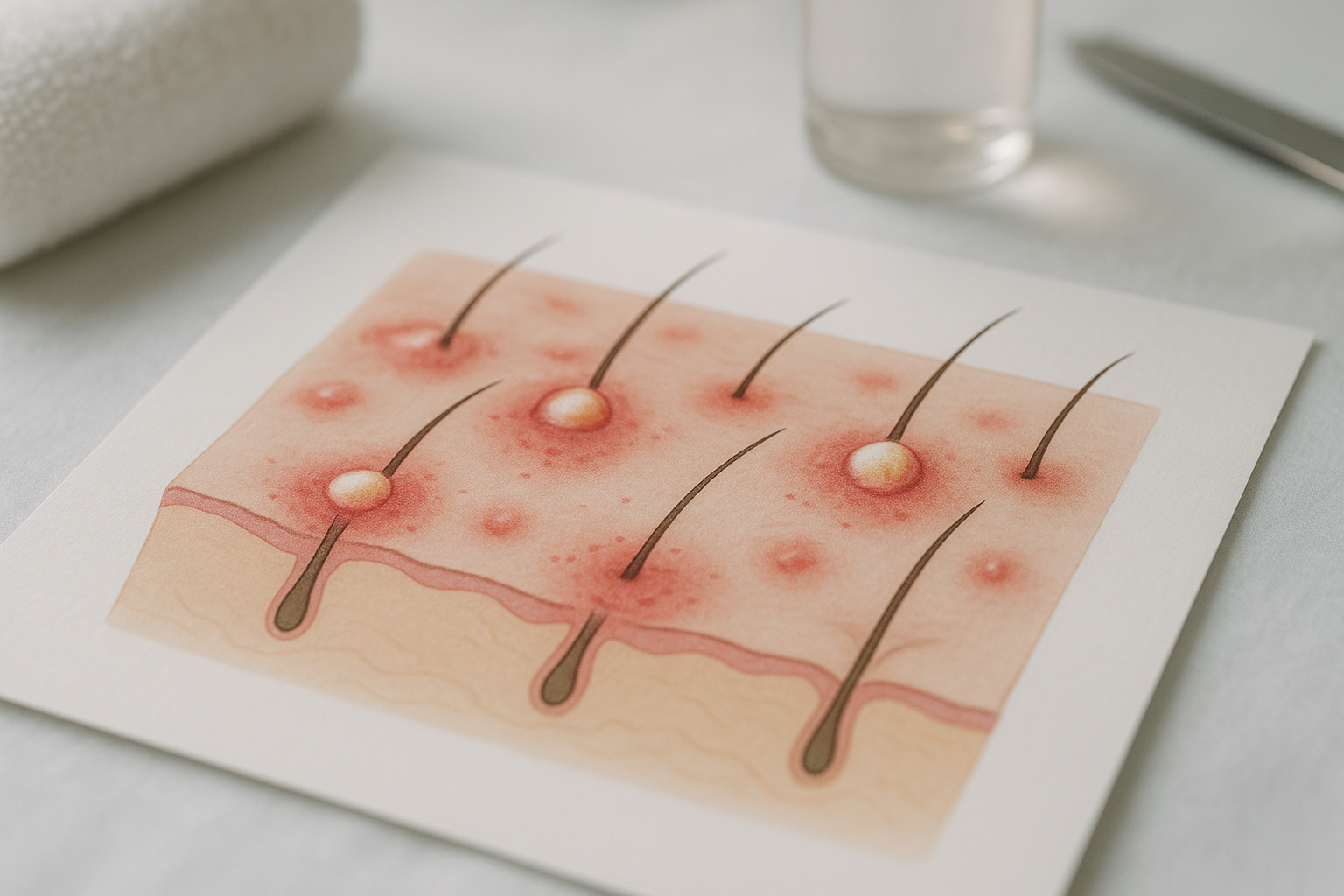
After a beard transplant, mild side effects are typical and usually resolve within one to two weeks. Many individuals notice redness, swelling, and small scabs or crusts at the sites where hair follicles are placed. Itching may also occur as the skin heals. Antibiotic ointments or gentle cleansing are sometimes suggested to reduce irritation. Rare but possible risks include infection, persistent scarring, or areas of prolonged redness. In some cases, folliculitis—a condition where transplanted hair follicles become inflamed—can develop. If you want to learn more about symptoms and management, see our article on how folliculitis develops and what can help.
All procedures carry individual risks. Some people may experience temporary shedding of transplanted hairs within the first few weeks, known as "shock loss." This is a recognized response and new growth typically starts after several months. Any sign of infection, such as pus or increasing pain, should be discussed with your medical team.
Understanding the limits: density, scarring, and donor site impact
The achievable density of a beard transplant depends on the supply of donor hair, usually taken from the back of the scalp. If the donor area is limited or has existing scars, this can restrict how much hair can be safely transplanted in one session. Pre-existing scars on the face may also influence hair growth and the visual result. While most transplanted follicles survive, not all will take root, and results vary between individuals. Small scars from follicle extraction may be visible in the donor area, especially when hair is cut very short.
Balancing your goals with these limitations is an important part of the planning process. A detailed discussion with your clinician will help you understand what is possible for your specific situation.
Recovery Timeline and Aftercare Steps
Day-by-day: what to expect in the first month
During the first 24–48 hours after a beard transplant, mild swelling and redness around the transplanted area are common. Small crusts will form around each graft and typically flake off within 7–10 days. Most people return to everyday activities between the second and fifth day, though strenuous exercise is best avoided for at least one week. Washing the face gently with a mild cleanser can usually begin after three days, as advised by the surgeon.
Between two and four weeks, the transplanted hairs often enter a natural shedding phase. This process—sometimes called "shock loss"—may be surprising but is expected and temporary. New hair growth usually begins between the third and sixth month, with beard density and texture gradually improving. According to the British Association of Dermatologists (BAD), final results are typically visible nine to twelve months after transplantation.
Long-term care and beard grooming after transplantation
Ongoing care supports healthy regrowth. Shaving should generally be postponed for at least three weeks after the procedure, or longer if recommended by the clinician. Once the skin has healed and regrowth has begun, regular grooming routines can resume. Gentle cleansing and moisturizing help maintain skin comfort and minimize irritation as new hair thickens.
Follow-up appointments are usually scheduled to monitor healing and hair growth. If redness, swelling, or pimples persist beyond the first few weeks, or if patchy areas appear, these can be discussed with your provider. Photographs of real beard transplant outcomes can give a realistic sense of the changes possible over time, though individual growth rates and appearance will vary.
Comparing Beard Transplant with Other Facial Hair Solutions
Transplant surgery versus non-surgical options
Beard transplant surgery uses hair from the scalp to create fuller facial hair, while non-surgical options focus on temporary or partial solutions. Topical minoxidil is a medication applied daily to encourage hair growth; it requires ongoing use and may not work for everyone. Microblading, used more often for eyebrows, involves tattooing fine lines to mimic the look of hair and can help fill small gaps. Cosmetic camouflage—such as beard pencils or powders—offers a quick, washable way to create the impression of density without altering underlying hair growth. Each method has its place, and the choice depends on your expectations for naturalness, permanence, and comfort with procedures.
Cost, durability, and maintenance considerations
Several factors affect the affordability of a beard transplant: the number of grafts required, the chosen surgical technique, and whether travel is needed for care. Non-surgical solutions like minoxidil, microblading, or cosmetics often cost less up front but may require repeated purchases or maintenance sessions. In terms of durability, transplanted hair is intended to grow permanently in its new location, subject to normal hair cycles. Minoxidil must be continued to maintain results, while microblading and camouflage techniques fade or wash away over months or days. Ongoing grooming is needed for all options, with transplants allowing trimming and shaving like natural beard hair. Explore cosmetic dermatology options to understand which approach might suit your goals and lifestyle best.
| Method | Typical Session Time | Recovery Time | Durability | Maintenance | Best For |
|---|---|---|---|---|---|
| FUE (Follicular Unit Extraction) | 4-8 hours | 2-7 days | Long-lasting | Normal grooming | Most beard areas |
| DHI (Direct Hair Implantation) | 6-8 hours | 2-5 days | Long-lasting | Normal grooming | Dense or detailed design |
| Topical treatments (e.g. minoxidil) | Daily application | N/A | Temporary (while used) | Ongoing application | Mild patchiness |
| Microblading / Cosmetic tattoo | 1-2 hours | 1-3 days | Semi-permanent (1-2 years) | Periodic touch-ups | Visual enhancement |
Frequently asked questions
-
A beard transplant involves moving hair follicles from a donor area, usually the back or sides of the scalp, to areas of the face where facial hair is thin or absent. The hair grows naturally in its new location and can be trimmed or styled as desired.
-
Those with sufficient donor hair, stable health, and realistic expectations may be considered for a beard transplant. An in-person consultation is necessary to confirm eligibility and discuss potential results.
-
The most frequently used methods are FUE (Follicular Unit Extraction) and DHI (Direct Hair Implantation). The choice depends on individual needs, the size of the area, and the recommendation of the medical team.
-
Initial regrowth often appears within 3 to 6 months, but it can take 9 to 12 months to see the full, mature results of a beard transplant.
-
Transplanted hair typically continues to grow for many years because it retains the characteristics of the donor area. Long-term results are influenced by individual factors and ongoing care.
-
Common side effects include swelling, redness, and temporary crusting. Less commonly, infection, scarring, or folliculitis can occur. All procedures carry some risk, which should be discussed with your physician.
-
Beard transplants can often help camouflage scars or burns by placing hair follicles in these areas. The effectiveness depends on scar type, size, and other individual factors.
-
Gentle washing, avoiding shaving for about two weeks, and following your clinic’s aftercare instructions are important. Regular grooming can resume once healing is complete.
-
Transplanted hair usually grows much like natural beard hair and can be trimmed, shaped, and maintained in the same way.
-
If donor supply is limited, your physician may suggest alternative solutions or discuss adjusting the design for a partial restoration. Suitability is assessed during your consultation.
Sources
- International Society of Hair Restoration Surgery (ISHRS)
- European Academy of Dermatology and Venereology (EADV)
- British Association of Dermatologists (BAD)