Turkey Hair Transplant vs FUE and Making the Right Choice
Comparing Turkey's hair transplant approaches to FUE, this article explains how to choose the method that fits your needs and expectations.
Turkey offers a range of hair transplant techniques, with FUE being one of the most widely used methods for natural-looking results.
Understanding Hair Transplant Techniques Used in Turkey
FUE and Its Variations: From Classic to Sapphire
Follicular Unit Extraction (FUE) is one of the main approaches offered in Turkish hair transplant clinics. In FUE, follicles are extracted one by one from the donor area—typically the back or sides of the scalp—using a fine punch tool. This technique distinguishes itself from older strip methods by avoiding a large linear scar. A standard FUE session usually takes 6 to 8 hours, depending on the number of grafts required. The typical graft count per session ranges from 2,000 to 4,000, adjusted according to the patient's needs and donor area density.
Within FUE, there are notable variations. The classic FUE uses traditional steel punches for extraction and incision, while the sapphire version employs blades made from synthetic sapphire. These sapphire blades can create finer, more precise channels for implantation, which some clinicians find helps with graft placement and scalp healing. For patients interested in comparing the differences in technique among FUE, sapphire blades, and DHI, additional details are explored in a detailed comparison of FUE, sapphire blades, and DHI.
For those wanting to see actual examples of results achieved with these techniques, you can view close-up results from previous patients to better understand the range of possible outcomes.
Other Popular Methods: DHI and Percutaneous Sapphire
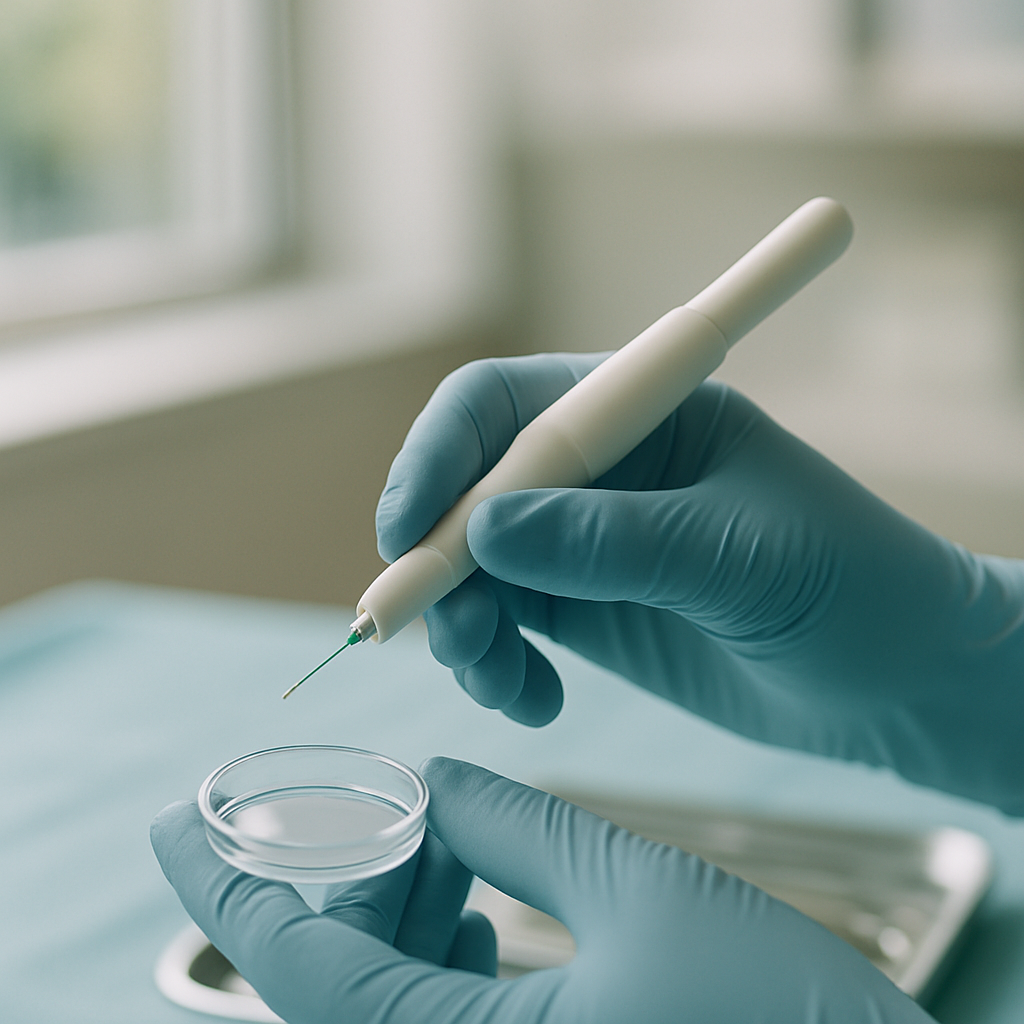
Direct Hair Implantation (DHI) is another option available in Turkey. Unlike FUE, DHI uses a special pen-like device that allows the clinician to extract and directly implant follicles into the scalp without the need to create separate incisions beforehand. This tool can offer more precise control when placing each graft, which may be beneficial for areas requiring high density or detailed hairline work. To learn more about this process, see the DHI method overview.
The Percutaneous Sapphire technique is a further refinement. In this approach, ultra-fine sapphire blades are used not only for channel creation but also for making round, closely spaced recipient sites. This can allow for a denser and potentially more natural-looking result. More about this method is described at the Percutaneous Sapphire technique page.
All these methods share some basics: they are minimally invasive, use local anesthesia, and involve individual graft placement. The choice between them depends on clinical assessment and patient-specific factors.
| Method | Extraction Tool | Implantation Technique | Typical Graft Count per Session | Who May Benefit Most |
|---|---|---|---|---|
| FUE (Classic) | Micro-punch | Manual or forceps placement | 2000-4000 | Most men with stable hair loss |
| FUE (Sapphire) | Micro-punch | Sapphire blade channel, forceps | 2000-4000 | Those seeking finer incisions or denser packing |
| DHI | Micro-punch | Choi implanter pen | 1500-3000 | Patients wanting minimal shaving and precise placement |
| Percutaneous Sapphire | Micro-punch | Sapphire blade, rounded channels | 2000-4000 | Candidates for natural hairline and high density |
Key Factors That Influence Method Selection
Donor Area and Graft Requirements
The number of grafts you may need depends on your degree of hair loss, but a typical range starts from about 1,000 for smaller areas like temples or the frontal hairline, and can reach up to 5,000 for extensive thinning or full crown coverage. The available donor hair at the back and sides of your scalp is a key limiting factor. If the donor area is sparse or the hair quality is fine, the number of grafts that can be safely harvested is lower. Before any procedure, the physician will assess these areas to determine suitability. For those interested in a deeper explanation, the page on graft needs and donor limitations breaks down the typical calculations and thresholds considered during consultation.
Certain methods, such as classic FUE or sapphire FUE, may suit larger graft requirements because they allow for quicker extraction and placement over broader zones. In contrast, DHI and Percutaneous Sapphire techniques may be chosen for more targeted areas or when focusing on maximizing density in a confined space. The method you are offered will often reflect what your donor area can provide without risking visible thinning at the back or sides.
Hairline Design and Desired Density
Personalized planning is essential for a natural-looking outcome. The design of your new hairline, as well as the density that can be achieved, depends not only on your personal goals but also on the technique used. DHI, which allows for direct implantation using a specialized device, is frequently selected for intricate hairline work or when high precision is needed in placing individual follicles. Sapphire blade techniques may be used to create dense, closely spaced channels for finer control over natural angles and direction.
The desired density often has to be balanced against how many viable grafts you have available and the width of the recipient area. While some patients hope for very dense coverage, the actual number of follicles that can be placed per square centimeter will be determined by scalp characteristics and donor supply. Decisions about method and density always rest with the examining physician after a thorough, in-person assessment of your scalp and hair characteristics.
Who Is Not a Suitable Candidate for Each Method
Medical Conditions and Scalp Characteristics
Chronic health issues or scalp-specific conditions may limit your eligibility for hair transplant procedures of any type. If you have uncontrolled diabetes, severe heart disease, or a history of poor wound healing, any surgical procedure—including FUE, DHI, or Percutaneous Sapphire techniques—may carry increased risks. Active scalp infections (such as fungal or bacterial diseases), untreated psoriasis, or severe seborrheic dermatitis should be resolved before any procedure is considered. Individuals with bleeding disorders, or those required to take blood-thinning medication long-term, may not be appropriate candidates for surgery until these factors are medically addressed.
- Scalp laxity: Very tight or very loose scalp tissues can complicate graft extraction or placement. Limited laxity may restrict the number of grafts that can be safely harvested.
- Donor area density: If your donor area (typically the back and sides of the scalp) is sparse, it may not provide enough grafts to achieve meaningful coverage, especially with extensive baldness.
- Previous surgeries: Scarring from prior hair transplants or scalp procedures can make further extractions difficult, or may reduce the survival rate of new grafts. Alternative approaches or smaller sessions might be necessary in these cases.
Women seeking hair transplantation often need a separate assessment of their hair loss pattern and scalp health. Specialized approaches for women are outlined in our hair transplant for women page, and you can read more about the underlying causes in our article on hair loss in women.
Expectations, Age, and Gender Factors
Unrealistic expectations remain one of the most common reasons a patient may not be suitable for hair transplantation. Procedures are designed to redistribute your existing hair rather than create an entirely new head of hair. Patients who expect extremely dense results or a "full head of hair" may not be satisfied with typical clinical outcomes, which depend on the number of available grafts and the size of the bald area.
For men and women under 22 years old, most surgeons advise delaying hair transplant procedures. Hair loss often continues to progress until the mid-20s, and intervening too early may lead to unnatural patterns as more native hair is lost in the future. Ongoing hair loss—especially if rapidly evolving or unresponsive to medical treatment—can affect both method selection and the timing of surgery, since transplanted areas may remain while surrounding hair continues to thin.
Gender can also influence candidacy and technique. Women, for example, may experience diffuse thinning instead of localized balding. This often calls for a customized method and careful evaluation of the donor area. For more information, see specific techniques for women and medical approaches to female hair loss.
Potential Risks and Side Effects to Consider
Common Reactions and Healing Timeline
Most patients will notice swelling around the forehead and eyes, redness in both donor and recipient areas, temporary numbness, and mild discomfort during the first days after surgery. Swelling typically peaks between day two and day four, resolving within a week. Redness and sensitivity may persist for up to two weeks, especially in lighter skin types. Mild pain or itching is typically managed with standard over-the-counter medications, and rarely persists beyond the first ten days.
Small scabs or crusts develop around implanted hairs and usually fall off within 7–14 days. During this phase, hygiene instructions and gentle care are essential to prevent infection. Between two and six weeks after the procedure, transplanted hairs often shed—a normal process called "shock loss." New growth usually begins to be visible after three to four months, with more noticeable coverage forming between six and twelve months. You can find a detailed overview of these stages in our month-by-month guide. Each patient’s experience can differ slightly, but these are the usual milestones.
Rare Complications and How They Are Managed
All surgical procedures, including hair transplantation, carry rare but significant risks. Infections may occur around the donor or recipient area; these are typically managed with oral antibiotics and local wound care. Some patients may experience excessive bleeding during or after the procedure, which is usually controlled with compression or medical intervention in the clinic. Scar formation can happen, especially if the patient is prone to keloids or has experienced previous scalp trauma. Uneven growth, visible gaps, or unnatural hair direction can result from technical variations or post-surgical factors, and may necessitate corrective procedures once healing is complete.
The International Society of Hair Restoration Surgery (ISHRS) advises that all patients should be aware of these potential complications and participate in regular follow-up visits. Careful technique and adherence to post-operative instructions can reduce risk, but no intervention is without the possibility of side effects. If you experience persistent redness, pain, swelling, or signs of infection, contact your surgical team promptly for assessment and guidance.
What to Expect During and After the Procedure
Day of Surgery: Preparation and Process
On the day of your hair transplant, several steps are taken to prepare you for the procedure. The process starts with a detailed consultation, where your medical history, scalp condition, and expectations are reviewed once more. The physician will use a marker to outline the new hairline and designate the donor and recipient areas. Photographs may be taken from different angles to document the baseline.
Before any work begins, local anesthesia is administered to numb both the donor and recipient areas. This allows you to remain awake during the session without discomfort. Depending on the number of grafts planned—usually between 2,000 and 4,000 follicles—the session can last from six to nine hours. Short breaks are provided for meals and restroom needs.
The surgical process involves two main stages. First, follicular units are extracted from the donor area, typically at the back or sides of the scalp. Each graft is carefully counted and checked for quality. The second stage is implantation, using the agreed-upon technique such as the Percutaneous Sapphire method or DHI. Both techniques use fine instruments to create channels and place grafts at specific angles for a natural result. If you are interested in how these techniques differ, you can read about FUE, sapphire blades and DHI: what actually differs. The whole procedure is monitored by the medical team to maintain sterility and precision at each step.
Recovery, Follow-Up, and Result Timeline
Most patients are able to return to light daily activities within two to three days after their hair transplant. During the first week, swelling in the forehead and around the eyes can occur, typically peaking at day three and resolving by the end of the week. A protective bandage is usually removed 24 to 48 hours after surgery, and the physician or nurse will provide instructions for gentle washing and scalp care.
Initial shedding of transplanted hairs typically begins two to four weeks after the procedure. This is a normal part of the growth cycle and not a cause for concern. New hair starts to regrow from around three to six months post-surgery, often appearing fine and gradually becoming thicker over time. By the ninth to twelfth month, the transplanted area takes on a fuller appearance, with most patients seeing their final results at the one-year mark. If you would like a detailed breakdown of the changes each month, visit month-by-month after a hair transplant.
Follow-up appointments play a central role in tracking your progress. These may include check-ins at one week, one month, six months, and twelve months after surgery. For more about how the donor area limits the number of grafts and what to expect, see how many grafts you need, and what limits the donor area.
Making the Decision: Physician Assessment and Next Steps
Why Physician Examination Is Essential
No online information or forum post can substitute for a proper assessment by a qualified physician. A thorough preoperative evaluation is necessary for every patient considering hair transplant surgery, to ensure that the procedure is appropriate given your health status, scalp characteristics, and hair loss pattern. The final decision regarding candidacy and method selection belongs to the examining physician.
An in-person or secure video consultation allows the physician to inspect your donor area, assess your hair density, and check for any scalp conditions that could affect healing or the final appearance. Only the examining physician can judge which method—such as FUE, DHI, or the Percutaneous Sapphire technique—may be suitable in your case. To understand the differences between these methods, you may wish to read about FUE, sapphire blades and DHI: what actually differs. The assessment should include medical history, medication review, and discussion of any allergies or previous surgeries.
Questions to Ask at Your Consultation
Coming prepared with questions helps you make an informed decision. Here are some key points to cover during your consultation:
- Which hair transplant methods are available, and why would one be recommended over another in my situation?
- What are the expected outcomes and limitations, given my hair type and donor area?
- What risks and possible side effects should I know about for each technique?
- How long is the typical recovery period, and what aftercare support is provided?
- What is the protocol for follow-up visits and communication after the procedure?
Asking to review before-and-after photographs of previous patients can be very helpful in setting realistic expectations—see results you can look at closely. For those considering specific needs such as hair transplant for women, eyebrow transplant, or beard transplant, dedicated options are available. Understanding these points will help you and your physician create a plan that matches your goals and medical needs.
Frequently asked questions
-
FUE extracts follicles before implanting them in small incisions, DHI uses a pen-like tool for direct placement, and Percutaneous Sapphire uses sapphire blades for finer channels. Each method has unique technical steps and may suit different hair or scalp types.
-
All methods involve similar short-term side effects. Some patients report slightly quicker healing with sapphire blades due to smaller incisions, but most return to daily activities within a week regardless of method.
-
People with insufficient donor hair, active scalp disease, uncontrolled diabetes, or certain chronic illnesses may not be suitable candidates. Final eligibility is determined by your physician after examining your scalp and health history.
-
Women with localized thinning or scarring can often benefit, but diffuse hair loss may limit suitability. Assessment by a physician familiar with female hair loss patterns is necessary. See our page on hair transplant for women for more details.
Sources
- International Society of Hair Restoration Surgery (ISHRS)
- French Society of Dermatology
- Journal of Cutaneous and Aesthetic Surgery