What Really Happens During a Hair Transplant Procedure
Discover the real process behind hair transplants, from diagnosis to recovery, with step-by-step detail and clear explanations.
A hair transplant restores your hairline by moving follicles one by one, using precise methods tailored to your pattern of hair loss.
What happens before a hair transplant session
Consultation and hair diagnosis step by step
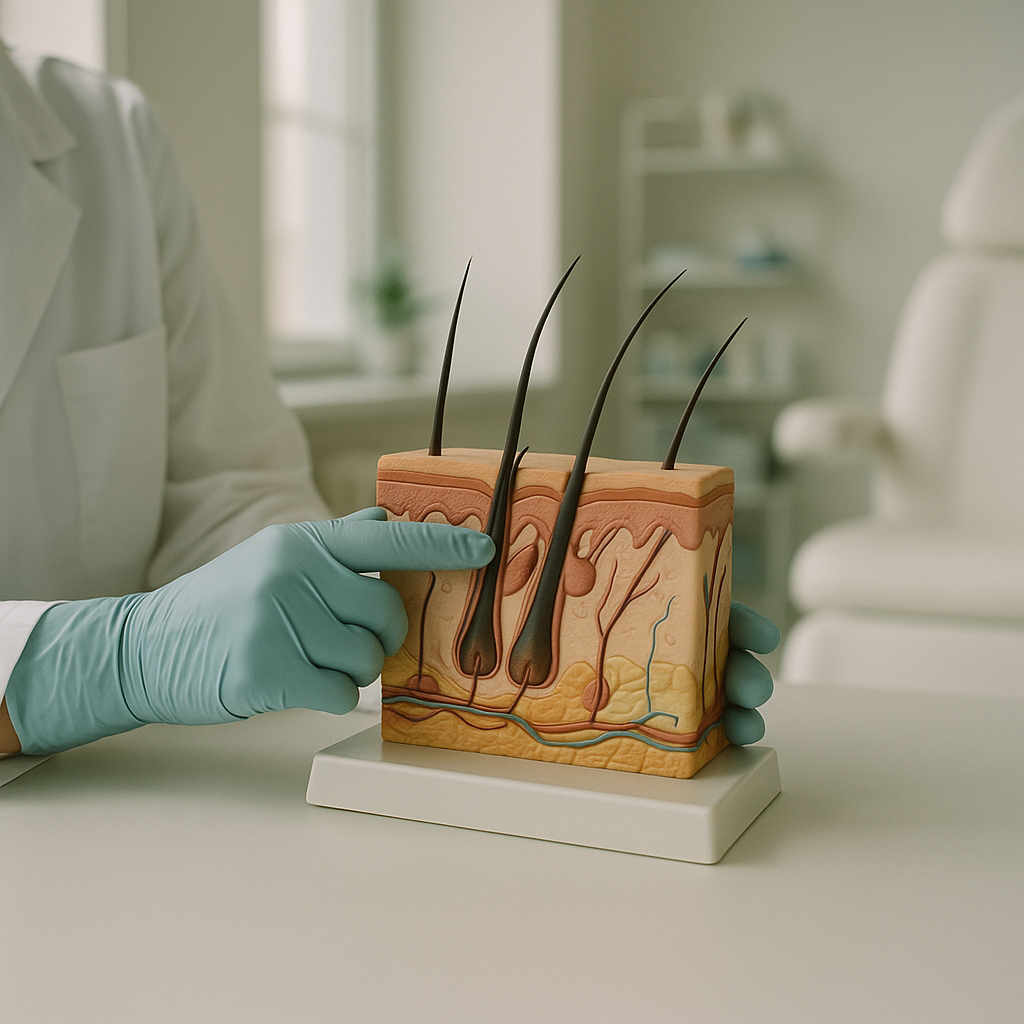
Your first appointment typically begins with a thorough discussion of your medical history. A physician will ask about chronic illnesses, medications, allergies, and previous procedures. Smoking habits and recent hair loss patterns are also explored, as these factors may influence both your eligibility and your expected recovery process. Next, a scalp examination is performed using magnification tools. The doctor assesses scalp health, examines areas of thinning or baldness, and checks for skin conditions that might affect planning. Hair density in the donor area—usually the back and sides of the scalp—is measured with a digital trichoscope or manual counting in a marked area. This step helps determine how many follicular units can be safely harvested.
Both donor and recipient zones are carefully analysed for skin elasticity, hair thickness, hair texture, and existing hairlines. In women, the diagnostic process includes checking for diffuse thinning or underlying causes such as hormonal imbalance or iron deficiency. For further details on how women’s hair loss differs, see Hair loss in women: why the approach is different.
Personalising the treatment plan and hairline design
Planning involves setting expectations that match what can be achieved. The doctor estimates the number of grafts needed based on the size of the thinning area and the density that can be reached in a session—typically between 2,000 and 4,000 grafts, depending on donor supply and surface area. These figures are discussed with you so you can understand the range of possible outcomes. Photographs are taken from several angles to record your starting point, assist in designing the new hairline, and serve as reference for the team.
Hairline design takes into account facial proportions, age, and the likelihood of future hair loss. Younger patients may benefit from a more conservative hairline to allow for further recession. The shape and position are marked on your scalp, making it possible to visualise and adjust the plan before surgery. The final decision on the treatment plan and hairline rests with the examining physician, who balances your preferences, safety, and what is technically possible. You can view examples of outcomes at results you can look at closely.
Techniques used to extract and implant hair
How FUE and its variations are performed
Follicular Unit Extraction (FUE) is a commonly used method for hair extraction. The physician applies local anaesthesia and uses micro punches—usually 0.7 to 1.0 millimetres in diameter—to loosen and remove follicular units one by one from the donor region. This approach allows for the harvesting of hundreds to several thousand grafts in a single session, depending on your donor supply and the area to be covered. Extracted grafts are stored in a special solution to preserve their viability until implantation. The donor area is left with tiny circular wounds that typically heal within several days, leaving faint dot-like marks.
FUE variations mainly differ in the type of punch or blade and the method of making incisions in the recipient area. Some clinics use motorised devices, but the essential principle remains the same: individual removal and placement. The angle, direction, and depth of each graft are carefully controlled during implantation to create a natural appearance. Your hair characteristics and scalp condition help determine whether FUE is suitable for you. For a detailed comparison of extraction and implantation techniques, see FUE, sapphire blades and DHI: what actually differs.
Percutaneous Sapphire and DHI: what changes in practice
Percutaneous Sapphire is a refinement of FUE. Here, blades made from lab-grown sapphire are used to create incisions for implantation. These blades allow for smaller, more precise V- or U-shaped incisions, which can help control bleeding and support more accurate graft placement. The choice of blade and incision shape is adapted to your skin and hair type. For more on this approach, read about the Percutaneous Sapphire technique.
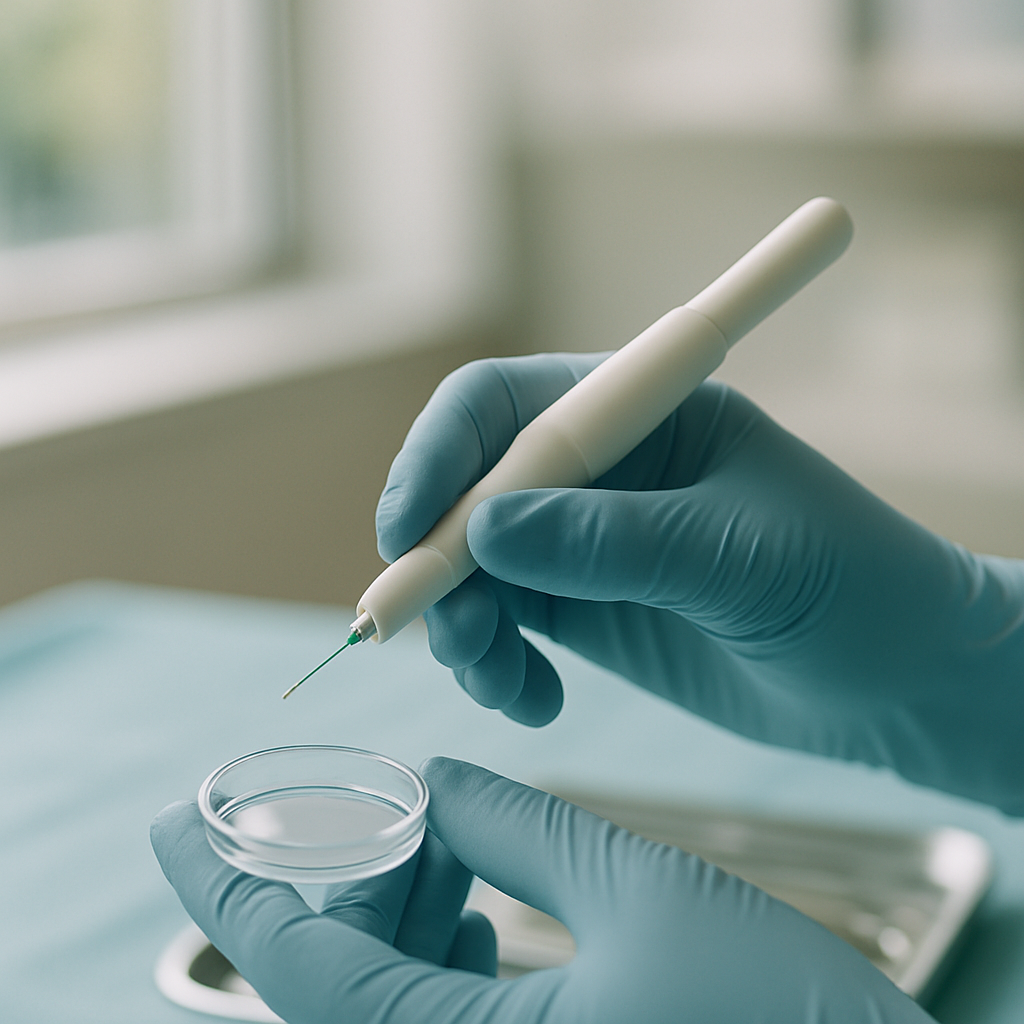
The DHI (Direct Hair Implantation) method uses a Choi implanter pen, which allows the surgeon to load, insert, and implant each follicle directly into the scalp without first creating recipient sites. This can provide more control over angle and density. Sometimes, extraction and implantation are performed at the same time, depending on the team size and patient needs. The choice between DHI and other techniques depends on hair texture, scalp elasticity, and your goals for density and design. For a full explanation, visit the DHI method information page. The treating physician will recommend the most appropriate method based on your individual assessment.
What the patient experiences on the day of surgery
Local anaesthesia, duration and comfort during the procedure
Once your treatment plan is confirmed, the procedure begins with local anaesthesia injected in small amounts around both the donor and recipient areas. Most people describe the initial injection as a brief, sharp sensation—similar to dental anaesthesia. After numbing, you may still notice pressure, vibration, or gentle tugging but should not feel pain during the surgery. A typical session lasts 6 to 8 hours, which allows for transplantation of a large number of follicular units. If the area to be treated is extensive, surgery may be divided over two consecutive days, each with its own anaesthesia and monitoring protocol.
Throughout the session, patient comfort is supported with adjustable surgical beds and pillows for the neck or lower back. Short breaks are scheduled every few hours for movement, restroom visits, or a light meal. Vital signs are monitored throughout, and the team is present to address any discomfort as it arises.
What happens from arrival to departure
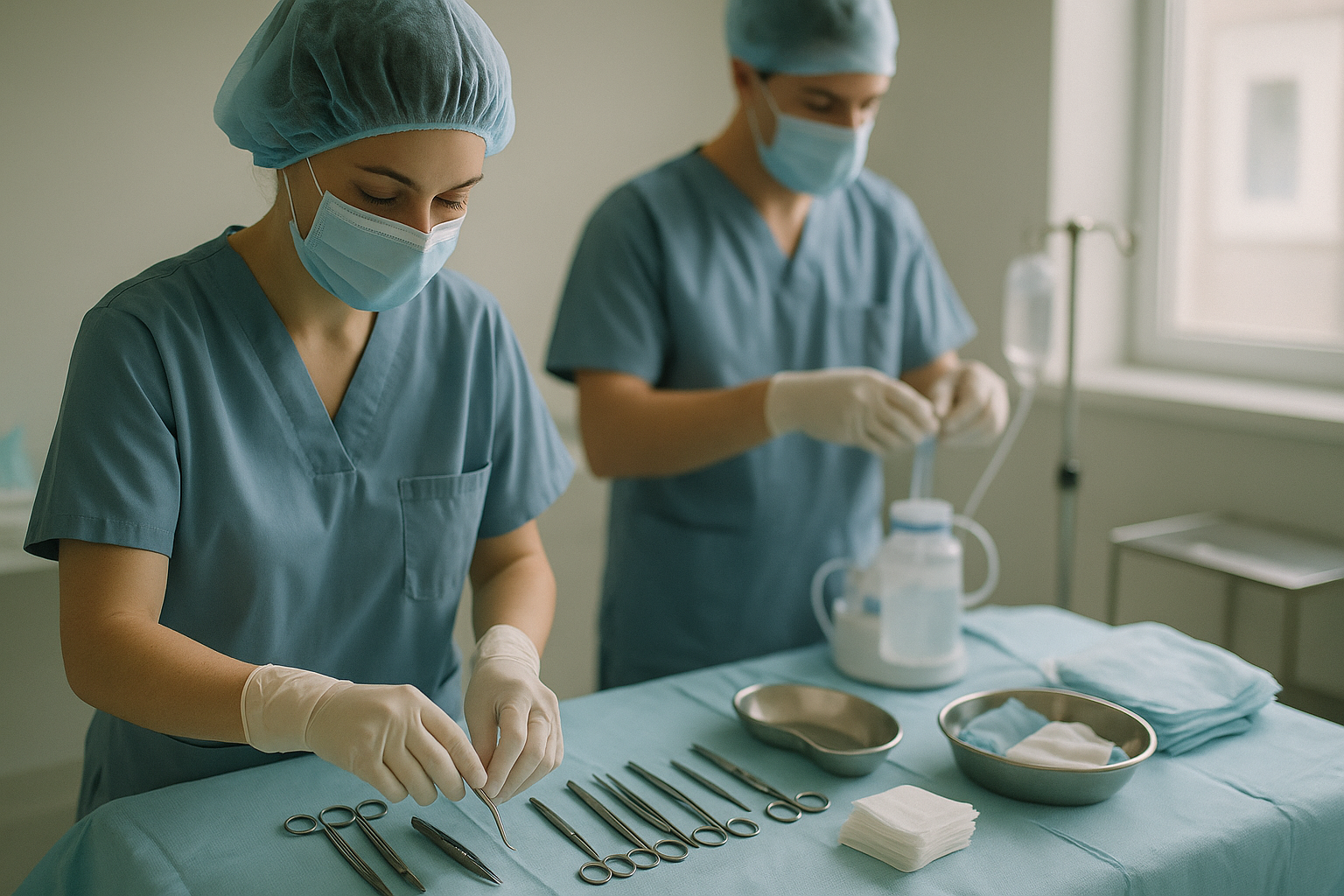
When you arrive at the clinic, you review consent forms and your medical history with the team. For most men, the donor area at the back or sides of the scalp is shaved to 1–2 mm for optimal access. In the operating room, the physician marks the recipient zones, outlining the new hairline for precise placement. Local anaesthetic is administered, and the procedure begins: grafts are harvested, prepared under magnification, and implanted in the planned pattern. Women and those seeking eyebrow or beard transplants may have a slightly different preparation, such as partial trimming or no full shave. For more about these differences, see hair transplant for women, eyebrow transplant, or beard transplant.
After all grafts are placed, a light bandage is applied and you receive written instructions for immediate aftercare. Monitoring continues for 30–60 minutes before discharge. It's recommended to arrange transport in advance, as mild drowsiness or swelling may occur after the procedure.
Who is not suitable for hair transplant surgery
Medical and anatomical reasons for exclusion
Certain health conditions or anatomical factors may make a person ineligible for hair transplant surgery. Active scalp diseases such as untreated infections, severe psoriasis, or lichen planopilaris can increase surgical risk and complicate the healing process. Chronic illnesses—including poorly controlled diabetes or severe heart, kidney, or liver disease—may also present unacceptable risks. Patients with insufficient donor hair on the back or sides of the scalp may not obtain adequate coverage; more detail is available in how many grafts do you need, and what limits the donor area. Bleeding disorders, certain autoimmune diseases like lupus or alopecia areata, and skin types with a history of abnormal scarring (such as keloids) often require special evaluation and may be contraindications.
Age and hair loss pattern also matter. Those under 22, especially with rapidly progressing hair loss, might be advised to postpone surgery to avoid an unnatural appearance as hair loss continues. Mental health is also considered; individuals with unrealistic expectations or diagnosed body dysmorphic disorder need thorough assessment, as surgery may not address their concerns.
Alternatives and special considerations
For those not suitable for surgery, non-surgical treatments can be considered. Medical therapies such as topical minoxidil or oral finasteride may help slow hair loss or increase hair thickness, though effects differ between individuals. Wigs, hairpieces, and cosmetic camouflage (fibres, sprays) offer immediate coverage and can be tailored for a natural look. Scalp micropigmentation is another choice, creating the appearance of closely trimmed hair using tattooing techniques.
Each case is individually assessed, and only a detailed medical examination can determine eligibility for any treatment. In some situations, a combination of approaches may be recommended, or periodic reassessment may be advised as health or hair loss patterns change. Open discussion with your physician ensures that the plan is both safe and appropriate for your needs.
| Method | Extraction Tool | Implantation Technique | Need for Shaving | Typical Session Duration |
|---|---|---|---|---|
| FUE | Micro punch (0.7–1.0 mm) | Manual placement in pre-made incisions | Full or partial | 6–8 hours |
| Percutaneous Sapphire | Micro punch (0.7–1.0 mm) | Sapphire blade creates V-shaped incisions | Usually full | 6–8 hours |
| DHI | Micro punch (0.7–1.0 mm) | Choi implanter pen, direct graft placement | Often partial | 6–9 hours |
Possible risks and side effects after hair transplantation
Short-term effects: what to expect in the first weeks
In the first days after a hair transplant, mild swelling often develops on the forehead and around the eyes, peaking between days 2 and 4 and typically resolving by the end of the first week. Redness and small crusts form around each graft in both the donor and recipient areas; these usually fall away naturally within 7 to 10 days if the scalp is cared for as instructed. Mild discomfort or tenderness is common, especially during the first 48 hours, and can be managed with over-the-counter pain relief, as advised by your doctor. Itching may also occur as part of the healing process. Avoid scratching to protect the grafts.
Temporary numbness or tingling sometimes occurs and tends to improve within several weeks as the nerves recover. If you notice swelling that worsens after the first week, severe pain, or any discharge from the scalp, contact your clinic promptly. Following specific aftercare instructions—such as gentle washing and avoiding direct sunlight—can support your recovery. For more on technique-specific aftercare, you can compare the Percutaneous Sapphire technique and DHI method to see what might be recommended for each approach.
Less common complications and their management
Occasionally, less typical side effects develop. Infection in the donor or recipient area is rare, but signs such as redness, warmth, increased pain, or pus require medical assessment and may be treated with antibiotics. Poor graft survival, leading to patchy growth or loss of transplanted hair, can sometimes occur and may relate to the chosen technique or individual healing characteristics.
Scarring may appear as small dot-like marks or, less often, as thicker linear scars, particularly if the donor area is limited or if more aggressive harvesting methods are used. Shock loss refers to the temporary shedding of native hair around the transplant site; this usually starts 2–6 weeks after surgery, and regrowth often begins within a few months. Adhering to aftercare advice can help reduce the likelihood of such issues. If you experience persistent swelling, redness, intense itching, or delayed healing, seek medical advice. Any unexpected symptoms after a hair transplant should be discussed with your physician, who will determine the appropriate management.
How recovery and hair growth progress after surgery
Milestones in healing and new hair growth
Healing after a hair transplant proceeds in distinct phases. Within 7 to 10 days, the crusts around transplanted hairs usually detach, and the scalp appears less red. Between weeks 2 and 6, transplanted hairs often shed—a normal reaction that signals entry into a resting phase for the follicles. New hair growth usually begins to show between the third and fourth month, often starting as fine, lighter-colored strands. Over the next several months, these hairs gradually thicken and darken. Most people observe their visible outcome between 8 and 12 months, though subtle improvements may continue into the second year. The rate and pattern of growth depend on factors like age, hair type, and the method used. For a detailed timeline of these changes, see month by month after a hair transplant.
What follow-up care involves
Follow-up appointments are planned to monitor your healing and the progress of new hair growth. The first review usually takes place within a week to check the scalp and answer any immediate concerns. Further check-ins are typically suggested at one month, three months, and again between six and twelve months, depending on your progress and your clinic's routine. During these visits, your doctor assesses scalp health, hair density, and addresses any questions about care or styling.
In the first month, gentle washing with recommended products, avoiding sun exposure, and refraining from heavy exercise or swimming help protect your results. Avoid scratching or picking at the scalp. If you experience persistent redness, pain, or areas with no regrowth after several months, arrange an extra consultation. You can view examples of actual patient outcomes at results you can look at closely. Follow-up advice is adjusted to your individual response and healing, and your doctor will guide you if any concerns arise.
Frequently asked questions
-
Most hair transplant sessions last between 6 and 8 hours, but larger cases may be split over two consecutive days, depending on the number of grafts needed.
-
Local anaesthesia is used, so patients typically feel pressure or vibration rather than pain during the procedure. Mild soreness or tightness may occur afterward.
-
Initial shedding is normal within the first few weeks. New hair usually starts to grow after 3–4 months, with final density reached between 8 and 12 months.
-
Women with stable hair loss patterns may be suitable candidates. Diagnosis and technique selection differ from men’s cases; a specialist assessment is required.
Sources
- International Society of Hair Restoration Surgery
- European Academy of Dermatology and Venereology