What to Expect From a 3000 Grafts Hair Transplant in 2026
Learn how pricing for a 3000 graft hair transplant is structured in 2026, what influences the final quote, and what is typically included in the total cost.
A 3000 graft hair transplant in 2026 usually means a full day procedure with costs shaped by technique, location, and the scope of what is included.
Understanding the 3000 Grafts Hair Transplant Procedure
How graft count relates to hair coverage
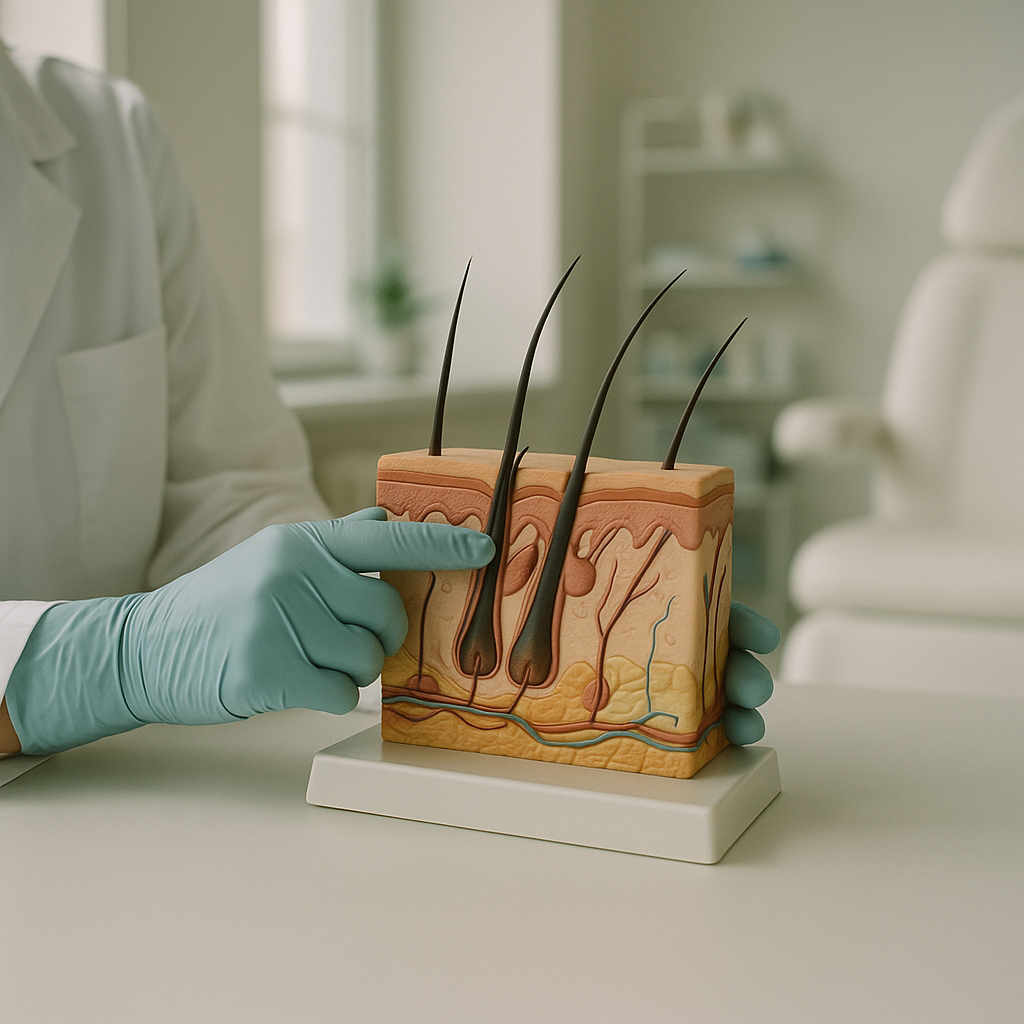
"3000 grafts" describes the number of follicular units moved during a hair transplant session. Each graft typically contains 1 to 4 hairs, so 3000 grafts can mean 6,000 to 9,000 hairs, depending on your individual donor area. This amount is often considered for moderate to advanced thinning, such as Norwood stages III to V. With 3000 grafts, coverage is usually possible in one or two areas—commonly the hairline, frontal region, or crown—but not the entire scalp if baldness is more extensive. The area covered by 3000 grafts varies with hair thickness, colour contrast, and the density that feels natural to you. To see how graft numbers relate to specific hair loss patterns, explore how many grafts you might need for different situations. For a visual sense of outcomes, you can also review real hair transplant results from people with similar graft counts.
Typical techniques used for 3000 graft sessions
Several modern techniques are available for sessions of 3000 grafts. Follicular Unit Extraction (FUE) is widely used: each graft is removed individually and placed into tiny incisions. Sapphire FUE uses a sapphire blade for making recipient sites, which creates smaller channels and may be chosen for certain hair types or density goals. Direct Hair Implantation (DHI) employs a special implanter pen, allowing the graft to be placed directly after extraction, and is sometimes preferred for detailed hairline work. The choice of technique can affect session length—moving 3000 grafts generally takes 6 to 8 hours, sometimes split over two days. For a detailed comparison of these methods, including their instruments and practical differences, see our guide to FUE, sapphire blades, and DHI.
| Location | Price Range (2026) | Typical Package Includes | Additional Notes |
|---|---|---|---|
| London, UK | £8,000 – £12,000 | Consultation, procedure, basic aftercare | Extra fees may apply for medications or follow-up |
| Other UK Cities | £6,000 – £10,000 | Consultation, procedure, limited aftercare | Package details vary; check inclusions |
| Türkiye (Istanbul) | £1,800 – £3,200 | Consultation, procedure, full aftercare, accommodation, transfers | Often all-inclusive; confirm specifics |
How Pricing Works: Package vs Per-Graft Models
Comparing package pricing and per-graft billing
Pricing for a hair transplant can be structured in two main ways: per-graft billing and all-inclusive packages. In the per-graft model, the cost is calculated by multiplying the number of grafts transplanted (such as 3000) by a set price per graft. This approach can make it clear how much each additional graft will cost, but it may not include all related services, such as medications or post-procedure care. In contrast, package pricing offers a single price that covers the procedure and a bundle of associated services. Some clinics use fixed package rates up to a certain graft count, while others use tiered or customised pricing, which can be influenced by the number of grafts, technique chosen, or additional requirements. Reading the fine print is essential, as what is included in each approach may differ significantly.
What is typically included in a comprehensive package
A comprehensive hair transplant package generally covers more than just the surgical session. Common inclusions are the initial consultation, pre-operative tests, the transplantation itself, anaesthesia and medication for comfort, immediate aftercare supplies, and follow-up visits to monitor recovery. Some packages also include airport transfers, accommodation, and translation services, especially for visitors from abroad. Aftercare medication such as antibiotics or anti-inflammatory drugs may also be provided. Because each provider may define their package differently, always review what is—and is not—included to avoid unexpected expenses. To explore more about the services and medical specialties that may be involved, visit our hair transplant treatment page.
Key Factors That Influence the Final Cost
Technique, clinic location, and surgical team experience
Hair transplant costs can vary significantly based on the technique used. For 3000 grafts, the three most commonly offered methods are FUE (Follicular Unit Extraction), Sapphire FUE, and DHI (Direct Hair Implantation). FUE generally uses a motorised punch to extract follicles, while Sapphire FUE utilises finer sapphire blades for the implantation phase, often resulting in a difference in equipment costs and potentially more precise incisions. DHI employs a specialised pen to implant follicles one by one, making it a time-intensive approach that often involves higher personnel costs. As a result, clinics typically set higher prices for Sapphire FUE and DHI compared to standard FUE, reflecting differences in both equipment and the time required per session. For those interested in the technical differences between these approaches, you can explore FUE, Sapphire FUE, and DHI in more depth.
Geography influences the cost as well. Clinics in London and other major UK cities may charge more than those in the rest of Europe or Türkiye. This is partly due to higher operational expenses in these locations. Türkiye, in particular, is known for offering hair transplants at a lower overall cost, stemming from differences in labour, real estate, and local healthcare pricing structures.
The experience of the surgical team can also impact the cost. Clinics with highly experienced surgeons or those with advanced facility accreditations may charge a premium. Facility standards—such as international accreditation or adherence to strict hygiene protocols—may add to the overall cost, as these require ongoing investment in training and equipment. These factors combine to shape the fee structure for a hair restoration procedure involving 3000 grafts.
Additional services and facility standards
Many clinics offer optional or bundled extras that can influence the final cost. Sedation during the procedure—beyond standard local anaesthesia—can add to the price due to the involvement of an anaesthetist and additional safety monitoring. Specialised aftercare kits, which may include shampoos, topical solutions, and medications for post-operative care, are sometimes included in the package but may also be offered as a separate cost.
Interpretation services for international visitors, airport transfers, accommodation near the clinic, and follow-up visits are examples of additional offerings that may increase the total fee, depending on the clinic and country. Larger, internationally focused clinics especially in Türkiye, often package these services together. In contrast, UK clinics may treat them as add-ons. Facility standards—such as private recovery rooms, on-site laboratories, or advanced imaging for planning—may also be reflected in the quote. Taking note of what is included in the price, and what may be charged as an extra, is important when comparing clinics and locations.
Comparing UK and Türkiye: Cost Ranges and What They Cover
Typical price ranges for 3000 grafts in 2026
Based on quotes from clinics in 2026, the price of a 3000 graft hair transplant often ranges between £8,000 and £12,000 in London, with some clinics in other parts of the UK quoting slightly lower figures, usually between £6,000 and £9,000. In Türkiye, the same number of grafts is commonly quoted in the range of €2,000 to €4,000 (or the equivalent in GBP), reflecting differences in local cost structures and included services. These ranges are for guidance and the actual quote you receive may differ, depending on the clinic, the technique chosen, and the specifics of your case.
London clinics may charge at the higher end of the UK range, while clinics in smaller cities or regions typically offer more moderate pricing. In Türkiye, factors such as clinic reputation, surgeon experience, and the chosen method (FUE, Sapphire FUE, or DHI) can all influence the cost within the range. These figures do not represent a guarantee and should be used for comparison in consultation with your chosen provider.
What to expect in terms of inclusions by country
What is included in the quoted price can differ considerably between the UK and Türkiye. In the UK, clinics often provide the procedure itself, an initial consultation, and limited aftercare within their standard quote. Extras such as detailed follow-up visits, advanced aftercare products, or sedation beyond local anaesthesia may incur separate charges. Travel and accommodation are typically the responsibility of the individual.
Clinics in Türkiye generally offer more all-inclusive packages for international clients. These often cover the procedure, pre-operative assessments, post-operative checkups, airport transfers, hotel accommodation, interpreters, and aftercare kits in a single price. This approach aims to provide a streamlined experience for visitors from abroad. For those interested in the range of services and care typically provided in Türkiye, you can learn more about hair transplant procedures in Türkiye and what to expect during your journey.
Examining what the quoted fee covers—and what might be extra—is a key step in comparing clinics across countries. Always clarify which services are included before making a decision, as inclusions can vary even within the same country or city.
Who May Not Be Suitable for a 3000 Grafts Hair Transplant
Common reasons someone may not qualify for 3000 grafts in one session
Not everyone considering a hair transplant will be eligible for a session involving 3000 grafts. One of the main limitations is the donor area—the region at the back and sides of the scalp where healthy hair is harvested. If this area lacks sufficient density or shows signs of thinning, it may not be possible to safely extract 3000 grafts without risking visible thinning or patchiness in the donor region. In some cases, two or more smaller sessions may be recommended instead of a single large procedure.
Certain health and scalp conditions can also affect eligibility. For example, people with active scalp infections, such as folliculitis, or chronic dermatological issues may need to delay or reconsider surgery until these conditions are managed. More information about folliculitis and its impact on hair transplant planning can be found in our article on folliculitis symptoms and treatment. Autoimmune disorders affecting the scalp, poorly controlled diabetes, and a history of poor wound healing are additional factors that may influence a physician’s recommendation.
Why physician assessment is essential before planning
An in-person evaluation by a qualified physician is the only way to determine whether a 3000 graft transplant is safe and appropriate. The assessment includes examining the scalp’s health, measuring donor hair density, discussing medical history, and considering the stability of hair loss. Unstable hair loss—where shedding is ongoing and unpredictable—may lead to less satisfactory results if not addressed before surgery. The physician may also use magnification tools or digital imaging to more accurately assess both donor and recipient areas.
Based on these findings, the physician will propose a treatment plan that balances the desired outcome with safety and long-term sustainability. This step helps minimize risks and ensures that the available donor supply is used thoughtfully. Ultimately, the best approach is always individualized, with the final decision resting on a thorough medical evaluation.
Risks, Recovery, and What to Expect After 3000 Grafts
Potential risks and side effects
Undergoing a 3000 graft hair transplant involves certain risks and possible side effects that you should be aware of ahead of time. The most frequent reactions after surgery include swelling around the forehead and eyes, redness in both the donor and recipient areas, and the formation of small crusts where grafts were placed. Swelling tends to peak within the first three days and usually subsides within the first week.
Temporary shock loss can sometimes occur, where existing hair near the transplanted area sheds before gradually regrowing. There is also a risk of infection at the incision sites, although this is uncommon when proper aftercare and hygiene are followed. Some people may experience numbness, mild discomfort, or itching during the early recovery phase. Most of these effects are transient but can be more pronounced in larger sessions involving 3000 grafts.
Timeline: healing, growth, and follow-up care
Initial healing after a 3000 graft transplant typically takes 7 to 10 days, during which time scabs and redness should begin to resolve. It is normal for the transplanted hair shafts to shed in the first month, making way for new growth. Early signs of regrowth often appear between months 3 and 4, with more visible changes from 6 months onward. Full results are generally assessed between 12 and 18 months after the procedure.
Aftercare instructions—such as gentle washing, avoiding scratching, and protecting the scalp from direct sun—play a crucial role in recovery and the quality of the outcome. Healing times and the visible timeline of new hair growth can vary quite a bit. For a more detailed, month-by-month guide to what you might experience after surgery, you can refer to our recovery timeline guide. Communicating with your medical team and attending regular check-ins will also help address any concerns as you heal.
Frequently asked questions
-
In 2026, UK clinics generally quote a range between £6,000 and £12,000 for a 3000 graft hair transplant. The price depends on the clinic's location, technique, and what is included in the package.
-
Most clinics in Türkiye offer all-inclusive packages for 3000 grafts, which often cover consultation, procedure, medications, aftercare, and sometimes airport transfers or accommodation. Always confirm exactly what is included before making a decision.
-
Larger sessions may increase the risk of temporary swelling or prolonged healing. As with any hair transplant, risks like infection or shock loss are possible, and a physician will assess your suitability individually.
-
Not everyone is a candidate for a 3000 graft transplant in a single session. Donor area density, scalp health, and medical factors must be evaluated by a physician before planning the procedure.
Sources
- British Association of Hair Restoration Surgery
- International Society of Hair Restoration Surgery
- American Academy of Dermatology
- European Society of Hair Restoration Surgery