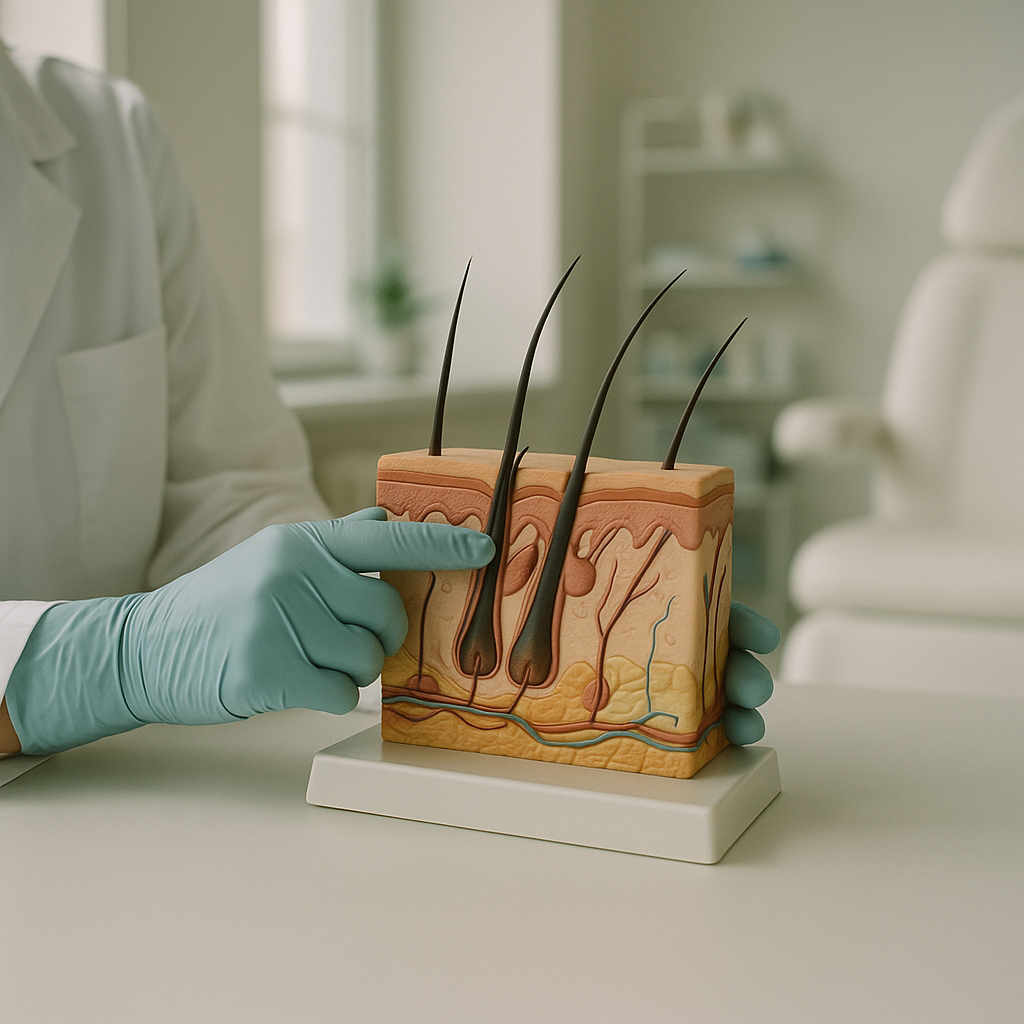
How Much Hair Loss in the Shower Is Actually Normal Each Day?
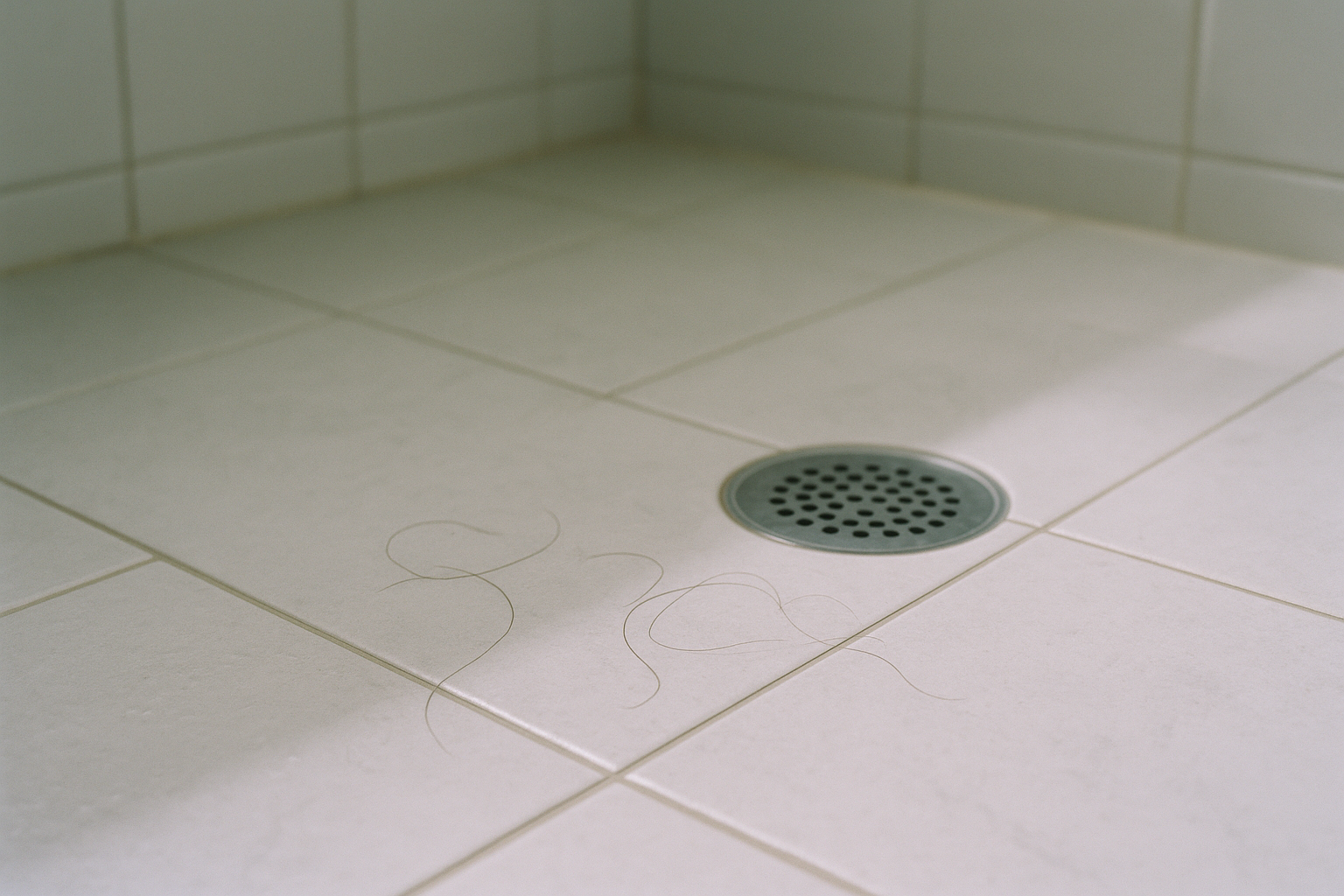
Seeing hair in the shower drain is common, but how many lost strands are within normal limits?
Most people shed between 50 and 100 hairs per day, and seeing loose strands in the shower is usually normal.
Understanding Daily Hair Shedding: What Counts as Normal?
The Hair Growth Cycle and Shedding Phases
At any moment, your scalp contains hairs at various stages of a repeating cycle. The anagen phase is the period of active hair growth, lasting 2 to 7 years for most people. During this time, the majority of scalp hairs—around 85%—are growing. Afterward, hair enters the brief catagen phase, which lasts roughly 2 to 3 weeks as the follicle transitions. Finally, the telogen phase is the resting phase, generally lasting about 3 months. When a follicle finishes telogen, it sheds its hair strand and begins the cycle anew.
This natural turnover means hair shedding is a regular part of scalp health. Most of the hair you see in the shower or on your brush is telogen hair, finally being released as a new strand starts to grow. Shedding is not a sign that an entire follicle is lost—it's simply the last stage before new growth begins.
Daily Shedding Ranges: What Most People Experience
On average, a healthy scalp sheds between 50 and 100 hairs per day. Sometimes, up to 150 hairs may fall out, especially in people with longer or denser hair. Age plays a role: as you get older, you may notice slightly more daily shedding, and hair may regrow more slowly. Gender also influences the pattern—men tend to notice loss around the hairline and crown, while women may see more diffuse thinning.
The type and texture of your hair matter as well. Curly or coarse hair may seem to shed less during brushing, but the same amount can accumulate and release during washing. Many people only notice most of their shed hairs during washing or brushing, when hairs that have already detached are swept away in larger groups. Frequent washing won’t make you lose more hair overall—it just collects what was already ready to fall. For those interested in what different hair types and conditions can look like after restoration procedures, you can view results you can look at closely from a variety of cases. If you want to learn more about advanced hair transplant methods, such as the Percutaneous Sapphire technique or the DHI method, our dedicated pages explain how these approaches are used in clinical practice.
| Hair Type | Average Daily Shedding | Shower Drain Appearance | Anything to Watch For |
|---|---|---|---|
| Short, fine hair | 50–80 hairs | Small clump, easy to rinse away | Sudden increase or visible thinning |
| Medium-length, average thickness | 70–100 hairs | Noticeable cluster, may seem larger when wet | Patchy loss or scalp symptoms |
| Long, thick hair | 100–150 hairs | Larger clump, especially after several days without washing | Unusual handfuls, persistent excess |
Why Showering Makes Hair Loss So Noticeable
Mechanical Action and Wet Hair: Shedding in the Shower
Washing your hair does more than just clean the scalp—it also helps release hairs that have completed their life cycle. As you massage shampoo into your scalp or work conditioner through your ends, mechanical friction dislodges hairs that were only loosely attached. Rinsing thoroughly causes these loose strands to slide away, often collecting on your hands or around the drain. This effect can be more pronounced after a day or two without shampooing, as several days' worth of shed hairs are dislodged at once.
Wet hair also stretches and clumps together. When hair is saturated, individual strands stick to each other and to your hands, making the amount of shed hair seem greater than it is. Combing or brushing wet hair after showering can reveal even more strands that were only just loosened.
Why Shedding Amounts Can Look Worse Than They Are
Thick or long hair tends to form visible clumps once it gathers in the shower, making the loss appear more dramatic. A small ball of long hair in the drain can look alarming, even if it is within the normal range. For those with short or fine hair, the same number of shed hairs may be less noticeable, scattered across shower tiles or collected in smaller amounts.
What matters is the pattern over time. Occasionally finding a small clump—roughly the size of a coin—after washing is usually not cause for concern. However, if you routinely see large, unusual handfuls or if the amount has changed suddenly, this may be worth discussing with a physician. The final assessment of whether your hair loss pattern is within normal limits can only be made after a proper medical examination, as individual factors and recent history are always considered.
Factors That Can Temporarily Increase Hair Shedding
Seasonal, Hormonal, and Lifestyle Influences
Human hair growth follows a cycle, and it’s normal to notice fluctuations in shedding at different times of the year. For example, many people see a mild increase in hair fall during autumn, a phenomenon thought to be linked to seasonal changes in daylight and their effect on hair’s resting phase (telogen). This uptick can last for several weeks and usually resolves on its own.
Hormonal changes also play a significant role. Pregnancy may result in less shedding due to elevated estrogen, but it’s common for more hair to fall out in the two to four months after giving birth, as hormone levels normalize. Menopause, with its shifting hormone balance, can also trigger increased shedding or changes in hair texture. Other hormonal shifts, such as starting or stopping hormonal contraception, may result in temporary hair loss as the body adjusts.
Lifestyle factors should not be overlooked. High stress, significant illness such as a high fever, or rapid weight loss (for instance, more than 5 kilograms in a month) can prompt the body to push more hairs into the shedding (telogen) phase. Most of the time, this shedding starts about two to three months after the event, and hair growth typically resumes once your health stabilizes.
Impact of Hair Care Habits and Product Changes
Everyday grooming habits can make hair loss in the shower seem worse than it is. Switching shampoos or conditioners—especially to products with strong detergents or fragrances—may temporarily increase shedding as your scalp adjusts. Hot water can open the cuticle and weaken the hair shaft, leading to breakage or easier fallout while washing.
Mechanical actions matter too. Rubbing your scalp vigorously, using a rough towel, or brushing wet hair aggressively can all pull out hairs that were already loose, so you see more strands on your hands or in the drain. Tight ponytails, buns, or braids put extra tension on hair follicles, especially when worn daily, and may contribute to traction-related shedding. Adjusting these habits can often reduce visible loss, but it’s normal for some hair to come out with each wash.
When Shower Hair Loss Signals a Problem
Warning Signs Beyond Normal Shedding
While seeing strands in the shower is common, certain patterns should prompt closer attention. A sudden and noticeable increase in daily hair loss—such as clumps left on the shower floor or a rapid change from your usual amount—may indicate an underlying issue. Visible thinning, especially when you notice wider part lines or scalp shining through areas that were previously dense, is another warning sign not to overlook.
Patchy areas of hair loss, where clear spots or bald patches appear, differ from the diffuse shedding most people experience and can signal conditions like alopecia areata. Scalp symptoms including persistent itch, redness, swelling, burning, or flaking add to the concern, as these may reflect dermatological problems or inflammation. If these signs appear, tracking their duration and severity is useful information for your doctor.
Who Should Seek Medical Evaluation for Hair Loss
Some individuals are less likely to benefit from home remedies or over-the-counter solutions and should consider professional evaluation. If your hair loss began suddenly and is progressing rapidly, or if it is accompanied by health changes such as fatigue, weight shifts, or skin rashes, it’s important to rule out underlying medical conditions. Those with persistent shedding that lasts more than several months, or who have a personal or family history of autoimmune or endocrine disorders, should also be assessed by a physician.
Home approaches are unlikely to address hair loss when there are clear patches, ongoing scalp discomfort, or known chronic illnesses like thyroid disease, iron deficiency, or hormonal imbalances. Diagnosing the exact cause of hair loss—whether it’s a specific type of alopecia, nutritional deficiency, or other factor—requires a medical examination and sometimes laboratory tests. A physician can recommend targeted treatments or further investigations as needed. For visual examples of different types of hair restoration outcomes, you can see results you can look at closely from a range of cases.
Preventing Unnecessary Hair Loss During Washing
Gentle Washing and Drying Techniques
Using lukewarm water rather than hot water can help protect the hair shaft during washing. Hot water tends to strip away natural oils, making hair more prone to dryness and breakage. When washing, gently massage the scalp with your fingertips in small, circular motions. Vigorous rubbing or piling long hair on top of the head can lead to tangling and unnecessary hair loss. After rinsing, squeeze excess water from your hair gently—avoid twisting or wringing.
Pat hair dry with a soft towel, such as microfiber, to reduce stress on the strands. Rubbing the hair with a towel can increase breakage, especially when hair is wet and more vulnerable. When detangling, use a wide-tooth comb and start from the ends, working upward to the roots. Avoid brushing wet hair with fine-tooth combs or brushes. If you use hot styling tools like blow-dryers or straighteners, limit their use to reduce cumulative heat damage. For more on what happens in the weeks and months after hair loss or restoration treatments, you can read about the month-by-month recovery process.
Choosing Products and Routines for Healthier Hair
Look for shampoos and conditioners with mild, non-stripping formulas—products labeled sulfate-free or formulated for sensitive scalps are less likely to cause dryness or irritation. Most people find that washing every 2–3 days is sufficient, although individual needs differ depending on hair type and comfort. Over-washing can remove protective oils, leading to brittle hair.
Those with curly or textured hair may benefit from co-washing (using conditioner only) or limiting shampoo use to once a week, as these hair types are naturally drier. For straight or oily hair, more frequent washing may be comfortable, but still use gentle products and avoid harsh techniques. Adjust your routine based on how your hair responds rather than following a single standard. Limit daily heat styling and chemical treatments, and consider air-drying or protective hairstyles to minimize preventable hair loss. For a deeper explanation of how hair type and approach differ, especially in women, see why the approach to hair loss in women is different.
What to Do If You’re Concerned About Shedding in the Shower
When Self-Monitoring Is Enough and When to Act
Tracking changes in the amount of hair you shed during showering can reveal useful patterns. Some people keep a simple diary or take photos of the hair collected in the drain after each wash, comparing over several weeks. Additional symptoms such as increased hair on your pillow, visible thinning in certain areas, scalp itching, or redness may signal a need to seek medical advice. Sudden or marked increases in daily hair loss, or the appearance of bare patches, should prompt a visit to a physician for assessment.
Temporary increases in shedding can follow events like illness, high stress, or changes in season. If you notice that increased shedding lasts longer than a few weeks or is accompanied by other changes, a medical evaluation is appropriate. A physician may examine your scalp, order blood tests for deficiencies, and review medications or health conditions before recommending next steps. If you are unsure about what is normal for your situation, you may want to read about how much hair loss is expected and what factors matter most.
Medical and Procedural Options for Persistent Hair Loss
If gentle care and routine adjustments do not improve excessive shedding, medical treatments or procedures may be considered after a physician's evaluation. Options could include topical medications, oral supplements, or procedures such as Platelet-Rich Plasma (PRP) therapy. For persistent thinning or pattern hair loss, some individuals may be referred for hair transplantation. Techniques such as the Percutaneous Sapphire method and the DHI method are available, with differences in how the grafts are placed and the recovery process, which you can learn about in more detail in our comparison of FUE, sapphire blades and DHI.
Before any treatment is started, a full medical evaluation is necessary to identify the underlying cause and to determine which options are appropriate. You can review examples of real outcomes from various treatments, but remember that results differ from person to person. All decisions about medical or procedural interventions should be made together with your examining physician, based on your specific needs and health profile.
Frequently asked questions
-
Most people lose between 50 and 100 hairs a day, and a significant portion of this may come out during showering. If you have very long or thick hair, the amount that collects in the drain can appear larger, but this is usually within the normal daily range.
-
A sudden change in shampoo may temporarily increase visible shedding, especially if your scalp or hair reacts to new ingredients. Usually, this effect is mild and settles within a few washes. If the shedding continues or your scalp becomes irritated, consult a physician.
-
Yes, some people experience increased shedding in the autumn or spring due to seasonal changes. This is usually temporary and not a cause for concern unless it's accompanied by thinning or bald patches.
-
You should consult a doctor if you notice sudden or severe hair loss, patchy areas of thinning, scalp irritation, or if your hair density has noticeably decreased. A physician can help determine the underlying cause and suggest appropriate treatments.
Sources
- British Association of Dermatologists (BAD)
- NHS (National Health Service, UK)
- American Academy of Dermatology