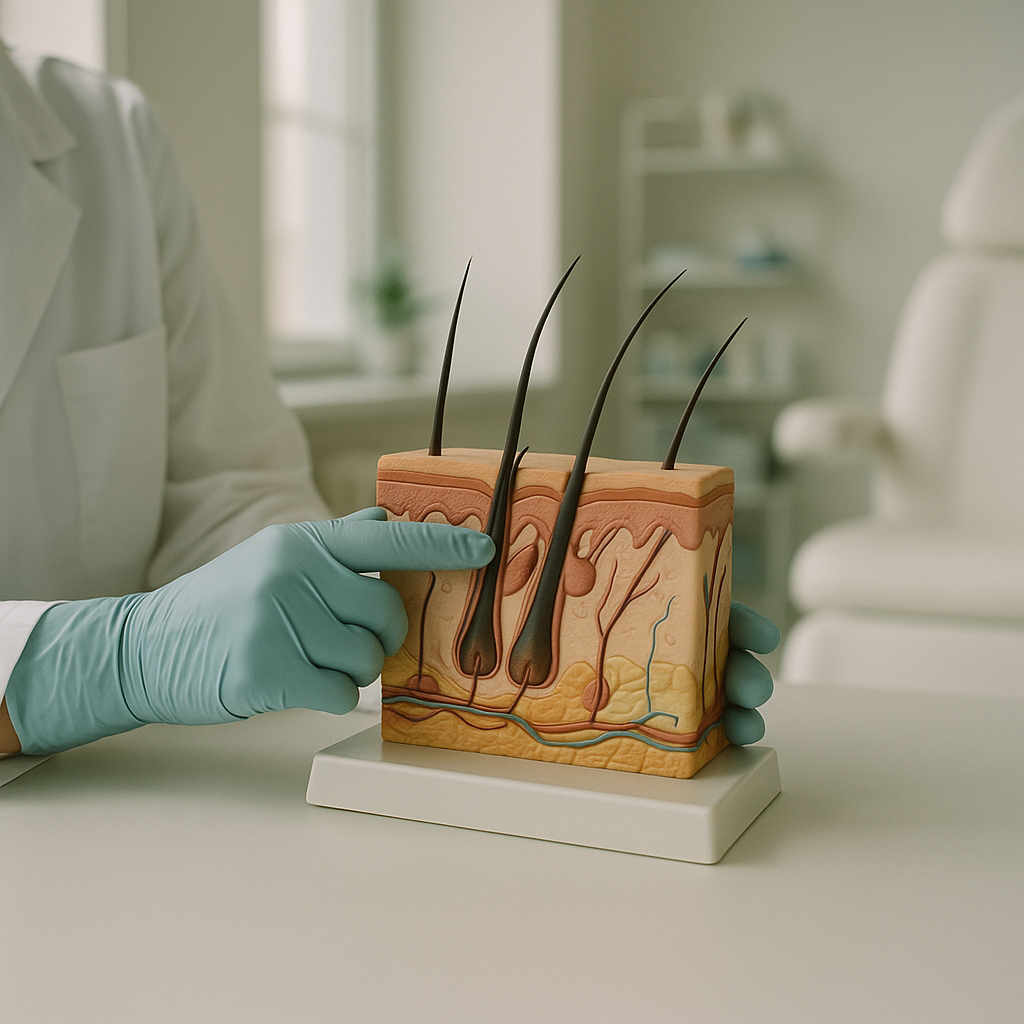
Choosing Between DHI, FUE, and Sapphire FUE for Hair Transplant
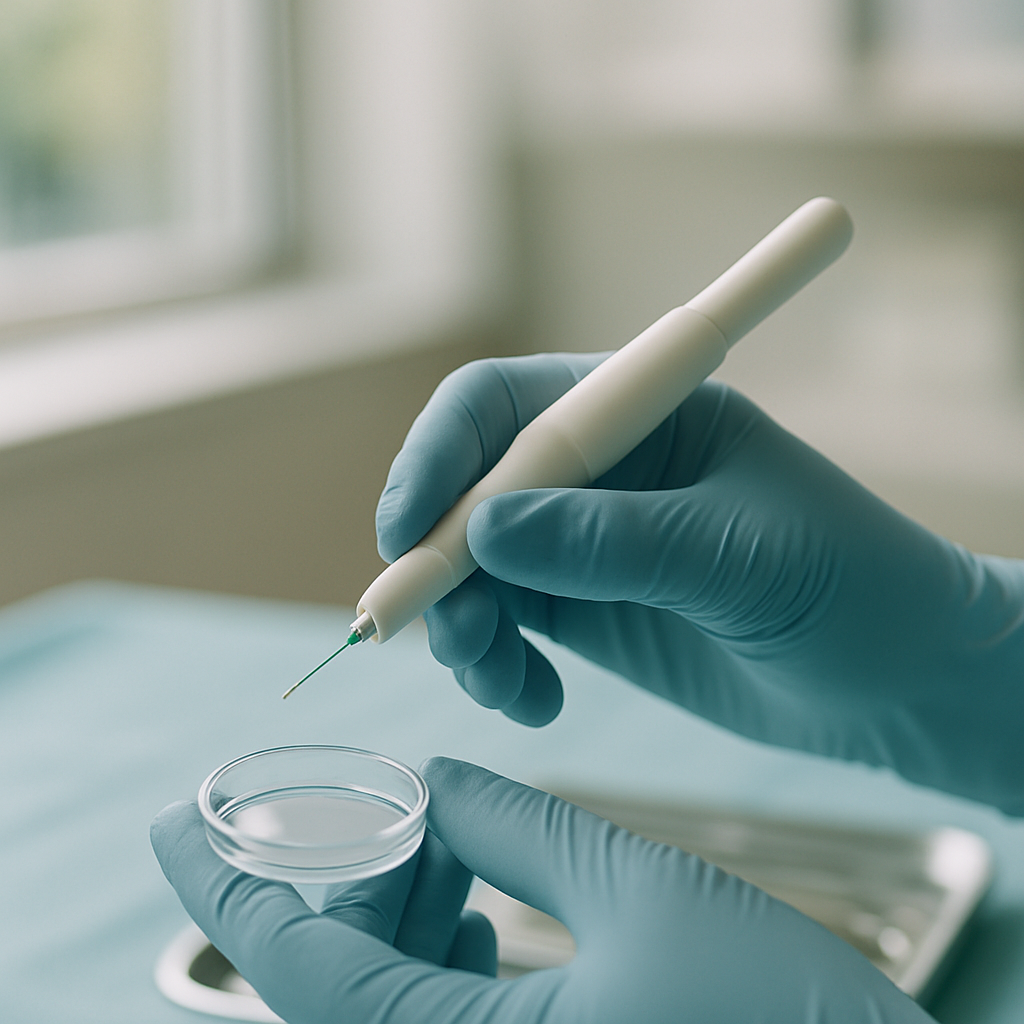
DHI, FUE, and Sapphire FUE each offer distinct advantages and limitations; the ideal choice depends on your hair type, goals, and your physician’s assessment.
DHI, FUE, and Sapphire FUE differ in how hair follicles are placed and the level of precision possible—your needs and the surgeon’s evaluation should guide your choice.
How DHI, FUE, and Sapphire FUE Each Transplant Hair Follicles
Step-by-step process for classic FUE
In a classic follicular unit extraction (FUE) session, the patient is first given local anesthesia to numb the scalp. The surgeon then uses a micro-punch tool, usually 0.7–1.0 mm in diameter, to extract individual hair follicles from the donor area, commonly at the back or sides of the head. Each graft may contain 1–4 hairs, and the total number of grafts can range from 1,500 to over 4,000, depending on the case and donor availability. The extraction process itself is meticulous, aiming to minimize trauma to the surrounding tissue and preserve follicle viability. If you are interested in how donor area limits can affect your options, see how many grafts you may need and what limits the donor area for further details.
Once harvesting is complete, the classic FUE implantation stage begins. The surgeon uses fine blades or needles to create small recipient sites (channels) in the target area, matching the direction and angle of existing hair. The extracted follicles are then manually inserted into these channels using forceps. The entire session typically lasts 4–8 hours, depending on the number of grafts and technique refinements. Short breaks may be taken to ensure patient comfort and to preserve graft viability.
What differs with DHI and Sapphire FUE tools
While FUE extraction is common to all three approaches, the preparation and implantation steps differ. Direct Hair Implantation (DHI) employs the Choi implanter pen, a device that loads individual follicles into a hollow needle. The pen allows the surgeon to simultaneously create a channel and implant the follicle in one motion. This approach may reduce the time follicles spend outside the body. DHI is often chosen for smaller sessions or when limiting trauma to the skin is a priority. For more about the DHI technique, you can review the DHI method details page.
Sapphire FUE replaces the classic steel blade with a blade made from synthetic sapphire. This tool creates finer, more uniform incisions when preparing the recipient area. The channels tend to be V-shaped, which some surgeons believe allows for denser packing of grafts and potentially a more natural hair direction. However, the basic order of steps—extraction, channel creation, then implantation—is maintained. Overall session times remain within the 4–8 hour range for most cases, though individual technique and number of grafts can shift the duration. You can read more about the Percutaneous Sapphire technique if you wish to explore this method in detail.
| Technique | Recipient Site Creation | Implantation Tool | Shaving Required | Typical Session Duration | Ideal For | Return to Work |
|---|---|---|---|---|---|---|
| Classic FUE | Steel blade incisions | Forceps | Full | 4–8 hours | Large areas, standard density | 7–10 days |
| Sapphire FUE | Sapphire blade incisions | Forceps | Full | 4–8 hours | Natural hairlines, finer channels | 7–10 days |
| DHI | No pre-made incisions | Choi implanter pen | Partial/none | 6–10 hours | Unshaven cases, high density, women | 7–10 days |
Comparing Healing, Comfort, and Scarring After Each Technique
Expected timeline for recovery and visible growth
Initial healing after a hair transplant varies by technique but shares common phases. Most patients see small scabs form around the grafts within the first two days. These scabs typically shed within 7–10 days. Redness in the recipient area may persist for 1–3 weeks, with individual differences based on skin type and the extent of the procedure. Swelling around the forehead or eyes, when it occurs, usually peaks between days 2 and 4 and resolves by day 7. Patients who undergo DHI or Sapphire FUE sometimes report slightly quicker reduction of redness, but the overall healing timeframe remains similar.
Returning to normal activities depends on the invasiveness of the technique and personal comfort. Many patients with office-based or non-strenuous jobs resume work after 5–7 days, once most visible signs have faded. Exercise and swimming are usually postponed for at least two weeks. Hair begins to shed (‘shock loss’) in the transplanted area after 2–4 weeks—a normal stage. Visible regrowth typically starts around three months post-procedure, with more substantial results noticed at 6–9 months. For a detailed timeline, visit the month-by-month recovery overview.
Pain, discomfort, and typical side effects
All three methods—classic FUE, DHI, and Sapphire FUE—are performed under local anesthesia. During the session, most patients feel only pressure or mild tugging. Some discomfort can occur as anesthesia wears off, particularly in the donor area, but this is usually manageable with standard pain relief for the first 1–3 days. Swelling, itching, and temporary numbness are among the most frequently reported side effects, generally resolving within two weeks. Mild crusting and occasional pin-point bleeding may be noticed at the graft sites.
Rare complications—such as infection, persistent redness, or severe swelling—should be evaluated promptly by a physician. While most patients recover smoothly, the choice of technique can affect the degree of swelling or numbness, though these differences are usually subtle. Each person’s response may differ, and pre-existing scalp conditions or previous surgeries can influence comfort and healing. Aftercare instructions provided by your clinic are key to minimizing discomfort and supporting a smooth recovery. To see examples of post-procedure results, you might review close-up result photos from prior cases.
Who May—and May Not—Be a Candidate for Each Method
Hair characteristics and goals that suit DHI, FUE, or Sapphire FUE
Matching a patient’s hair type and aesthetic aims with the appropriate transplant technique is a nuanced process. For those with dense donor hair and seeking broad coverage, such as restoring a receding hairline and filling the crown, classic FUE can often accommodate larger graft numbers—frequently ranging from 2500 up to 4000 follicles in a single session. This suits men with advanced thinning patterns aiming to address multiple areas at once. In contrast, the DHI method is sometimes chosen for patients wishing to preserve existing hair through unshaven or partially shaved procedures, making it an option for women and men unwilling to shave. DHI’s pen implanter devices allow more precise angle control, which can benefit those looking to refine a hairline, perform eyebrow or beard transplants, or address patchy thinning with minimal trauma to nearby hair. If you are considering a procedure as a woman, hair transplant for women covers the distinct aspects of female hair restoration.
Hair texture matters, too. Individuals with very curly or fine hair may find Sapphire FUE advantageous: the use of sapphire blades, which are finer than steel, can result in smaller incisions, potentially supporting a denser, more natural-looking hairline. For highly localised goals—like eyebrow or beard restoration—either DHI or Sapphire FUE may be considered for their precision, though technique choice depends on donor hair quality, curl, and recipient site needs. You can learn more about the Percutaneous Sapphire technique and its potential uses in these situations.
When a physician may advise against a hair transplant
Certain conditions or expectations may lead a physician to recommend against proceeding with surgery. A very limited or depleted donor area—such as from prior procedures or natural low density—can make achieving visible improvement difficult. Active scalp diseases, including untreated psoriasis or severe dermatitis, may pose infection risks or threaten graft survival. Uncontrolled chronic illnesses, like poorly managed diabetes or bleeding disorders, add surgical risk. Additionally, patients with unrealistic expectations—such as those seeking a result that cannot be achieved given their starting hair density or scalp characteristics—may be encouraged to reconsider.
Every case is unique. Only a thorough consultation with a qualified physician, including scalp examination and discussion of goals, can clarify if hair transplantation is an appropriate and safe option. The ultimate decision on candidacy rests with the examining doctor after evaluating all medical and technical factors.
Key Risks, Limitations, and What to Expect in the Long Term
Immediate and delayed risks of each technique
No hair transplant technique offers an absence of risk. Any approach—whether DHI, FUE, or Sapphire FUE—involves making incisions in the scalp, which can lead to infection, bleeding, or swelling in the hours and days after surgery. Graft loss is another concern, with some follicles failing to take root, especially if handled improperly or if vascular supply is limited in the recipient area. Shock loss, where native hair temporarily sheds near the treated zone, may occur within two to six weeks, and regrowth usually starts after several months. Small, dot-like scars occur in all FUE-based methods, though their visibility varies. Uneven or patchy growth can result if grafts are distributed irregularly or if healing is compromised. Surgeon experience is an important factor in minimizing such risks, but none of these outcomes is fully predictable or preventable. If you’re interested in a closer look at what results can be achieved, you can browse results you can look at closely from various patients.
What long-term outcomes depend on
Lasting results depend on several factors. The main limitation for density and coverage in one session is the donor area—both in the number of healthy follicles available and in the scalp’s elasticity. Most clinics extract between 2000 and 4000 grafts per session, but this number is shaped by the donor’s hair characteristics and the scalp’s vascularity. The quality of recipient healing, ongoing hair loss in untreated areas, and adherence to proper aftercare also shape outcomes. Long-term graft survival, especially beyond the first year, can vary; while many patients retain their new hair, some experience thinning or partial loss over time. A second session may be advised if coverage is insufficient or if native hair continues to thin, but success is never promised. For those wanting insight into the evolution of transplanted hair, a month-by-month overview can be found at month by month after a hair transplant.
What Sets Sapphire FUE and DHI Apart from Standard FUE
Precision, density, and channel creation differences
Standard FUE relies on steel blades to create incisions for implanting grafts, usually resulting in channels of 0.8–1.2 mm in width. The sapphire blade technique replaces steel with finely honed sapphire tips. These sapphire blades allow surgeons to make narrower, more consistent channels. The finer incisions may help surgeons place grafts closer together, potentially enhancing density in the recipient area. Narrower channels can also mean less trauma to surrounding tissue, which some patients report as quicker initial healing—typically scab shedding occurs within 7–10 days. Patients interested in seeing how these differences appear in real outcomes can explore results from previous procedures.
Direct Hair Implantation (DHI) takes another approach. Instead of making incisions first, it uses a pen-like implanter that both creates the channel and places the graft in one movement. This direct placement method gives the surgeon precise control over the graft’s angle and depth, making DHI a favored option for areas that demand high density or natural hair direction—such as the frontal hairline or temples. The DHI technique is sometimes chosen for patients seeking refined results in small, highly visible zones.
Hybrid and tailored approaches for complex cases
No single method meets every patient’s needs. Some clinics combine different techniques within one session, such as extracting grafts with the FUE method and then implanting them using DHI pens in select zones. This hybrid approach can be considered for patients with varying scalp characteristics or when different areas require different densities. For example, dense packing at the front may be performed with DHI, while larger, less visible zones are filled using Sapphire FUE.
Technique selection does not depend solely on the availability of tools. Hair texture, scalp thickness, previous surgeries, and desired outcome all guide the surgeon’s recommendation. Patients with curly or coarse hair, or with significant scarring, may require a tailored plan. The most appropriate combination is ultimately determined by the surgeon following a detailed assessment and discussion of available options.
Practical Considerations: Shaving, Session Length, and Technique Choice in Turkey
Shaving requirements and session logistics
Preparing for a hair transplant often involves shaving protocols that differ by method. Classic FUE and Sapphire FUE usually require the entire donor area—and often the recipient scalp—to be shaved to allow precise harvesting and placement. This means patients should expect a full head shave before the procedure, especially for larger sessions.
The DHI method allows for more flexibility. Some patients can undergo a partial or even no-shave procedure, particularly when working on small zones or when maintaining existing hair length is a priority. However, for extensive transplants, even DHI may involve trimming a section of the donor area for optimal graft extraction.
Session length varies. Shaving and channel creation in FUE or Sapphire FUE can be completed relatively quickly, with total procedure times often ranging from 6–8 hours for 2,000–3,500 grafts. DHI, due to its simultaneous implantation process and higher precision, may require additional time—sessions sometimes extend over 8–10 hours when addressing large areas.
How Turkish clinics approach technique selection
Clinics in Turkey typically begin with a clinical examination of the donor and recipient areas. Assessment includes the quality and density of donor hair, the surface area requiring coverage, and the patient’s individual goals. After evaluation, the surgeon discusses technique options, explaining trade-offs in density, session duration, and postoperative recovery. For example, patients seeking a discreet process may ask about partial shaving with DHI, while those prioritizing maximum graft number may be guided toward Sapphire FUE.
Setting realistic expectations is central. High-density coverage or achieving a very natural hairline sometimes requires multiple sessions or a staged approach, particularly in cases of advanced hair loss. Follow-up care, including check-ups after the operation and clear instructions for at-home recovery, play a significant role in overall satisfaction. For inspiration and a closer look at outcomes, patients can review results from previous procedures before choosing their path.
Frequently asked questions
-
DHI often allows for partial or no shaving, making it suitable for those wishing to keep existing hair length. However, shaving may still be needed in the donor area to ensure proper graft extraction and quality.
-
Healing times are broadly similar, with scabs shedding by 7–10 days and most redness fading within two weeks. Some patients notice slightly faster healing of recipient sites with Sapphire FUE, but overall recovery milestones are comparable.
-
Individuals with insufficient donor hair, active scalp disease, uncontrolled medical conditions, or unrealistic expectations may not be suitable candidates. Only a qualified physician can advise after a thorough examination.
-
Some clinics use a hybrid approach—such as FUE extraction with DHI placement—for selected cases, based on hair characteristics and the areas to be treated. This decision is made by the treating physician after consultation.
Sources
- International Society of Hair Restoration Surgery (ISHRS)
- European Academy of Dermatology and Venereology (EADV)