Can Alopecia Areata Be Managed and What Are Your Options?
Alopecia areata causes patchy hair loss and may affect the scalp, face or body. Several types and treatment approaches exist, each with its own considerations.
Alopecia areata can cause sudden patchy hair loss, but several treatment and coping options are available depending on your situation.
Understanding Alopecia Areata and How It Differs from Other Hair Loss
What happens in alopecia areata
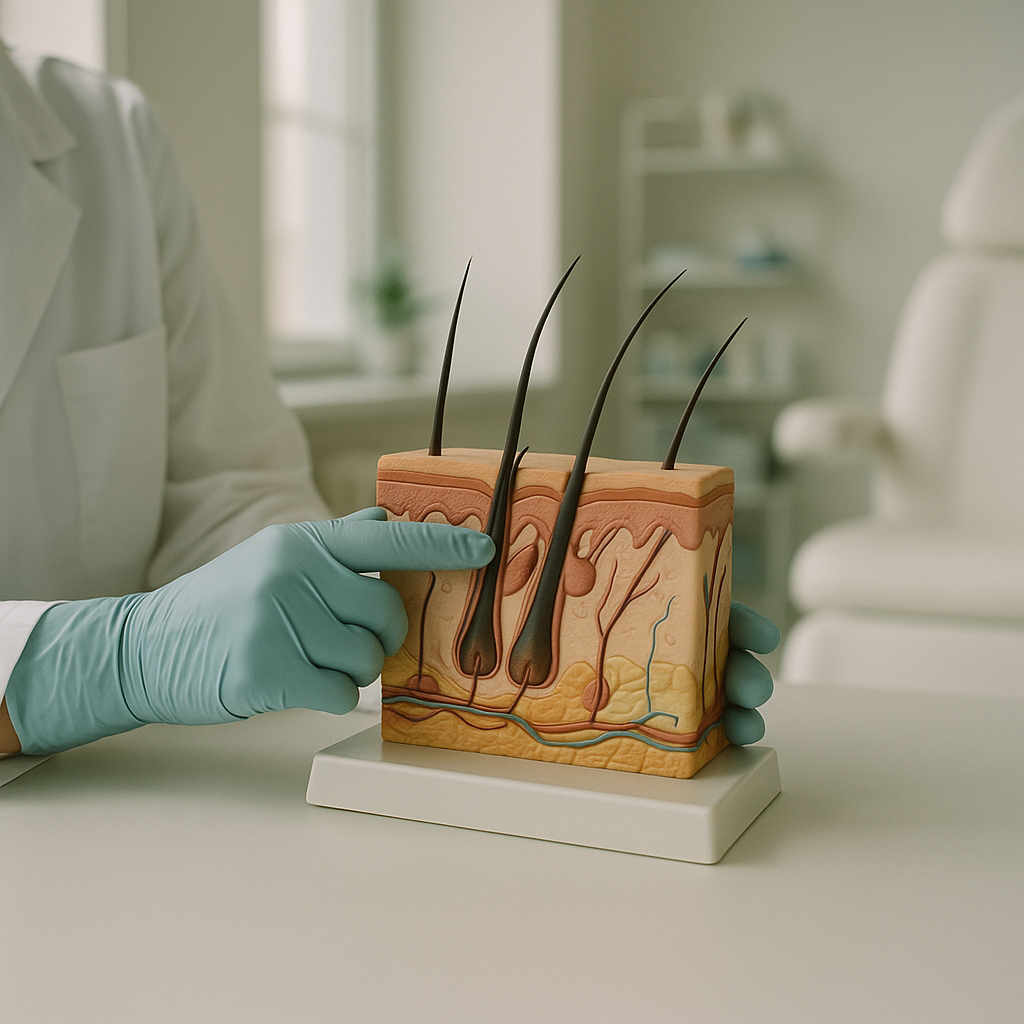
An episode of alopecia areata begins when the immune system mistakenly targets hair follicles as if they were foreign invaders. This process interferes with the normal growth cycle of the hair, moving follicles from the growing phase (anagen) into a resting or shedding phase prematurely. The result is hair falling out in clearly defined patches. These areas are often smooth and may feel normal to the touch, though some people report mild tingling, itching, or slight discomfort as the hair sheds.
Alopecia areata does not limit itself to the scalp. Patches can appear on the beard, eyebrows, eyelashes, and even limbs or torso. The suddenness of hair loss can be distressing, but it rarely causes scarring or permanent damage to the follicles in most cases. Unlike some other scalp conditions, there is no redness, scaling, or pus. For those interested in how scalp conditions differ, particularly those involving inflammation or infection, understanding how folliculitis presents can provide useful context.
How patchy hair loss stands apart from other forms
The pattern and timing of alopecia areata set it apart from other hair loss types. Sudden appearance of round or oval bald patches is typical, often with sharply defined edges. This differs from androgenetic alopecia, or genetic hair loss, where hair thins gradually—often at the temples or crown—and the boundary is not as clear. In telogen effluvium, another common form, hair is shed more diffusely across the scalp rather than in isolated spots, usually triggered by physical or emotional stressors.
Unlike scarring alopecias, where hair follicles are destroyed and replaced by scar tissue, alopecia areata does not result in permanent scarring and the skin remains soft. Traction alopecia, caused by repeated pulling or tension (such as tight hairstyles), creates hair loss along the hairline or in predictable areas where tension is greatest, not in spontaneous patches. Recognising these differences is key to understanding the underlying cause of hair loss and determining appropriate next steps.
Recognising the Signs and Types of Alopecia Areata
Common symptoms and patterns to look for
Many people first notice alopecia areata as a smooth, round or oval bald patch that develops suddenly, most often on the scalp. These patches have sharp, well-defined edges and can vary in size from that of a coin to several centimeters across. The skin in these areas usually appears healthy, without rash or scaling. Some people describe mild tingling, itching, or tenderness as the hair falls out.
Nail changes can also occur, though less frequently. These include small dents (pitting), ridges, or roughness on the fingernails or toenails. Not everyone with alopecia areata experiences nail involvement, and symptoms can differ widely. Both children and adults can be affected, and for many, the first episode begins before the age of 30.
Types: patchy, totalis, universalis, ophiasis and nail involvement
Clinicians use specific terms to describe the various forms of alopecia areata, depending on the location and extent of hair loss. Patchy alopecia areata is the most common, with one or more bald patches developing anywhere on the scalp or body. Alopecia totalis refers to complete loss of scalp hair. When hair loss affects the entire body—including eyebrows, eyelashes, and body hair—it is called alopecia universalis.
Ophiasis describes a pattern where hair loss forms a band along the sides and lower back of the scalp. Nail changes, as described above, can appear with any type and may indicate a more persistent or widespread process. If you are interested in seeing examples of these patterns, you can view results you can look at closely that show a range of real-life presentations and responses.
Each type may be seen in both children and adults, and the course of the condition is unpredictable. Some people experience just one episode, while others may notice recurrent or expanding areas of hair loss over time.
What Causes Alopecia Areata and Who Is at Risk?
Possible genetic and environmental triggers
Family history can play a role in the risk of developing alopecia areata. People with close relatives who have this condition, or other autoimmune diseases such as thyroid disorders, vitiligo, or type 1 diabetes, may be more likely to develop similar forms of hair loss. Certain genetic markers have been linked to increased susceptibility, but having these markers does not mean someone will definitely experience alopecia areata.
Environmental factors may also contribute. Many people report that patchy hair loss began after stressful events, severe infections, or physical trauma. Infections—whether viral or bacterial—have sometimes preceded flare-ups, and emotional or psychological stress is often mentioned in personal accounts. However, large studies have not proven any single trigger as the cause. Most likely, a combination of genetic predisposition and environmental factors is involved.
Who may not be suitable for some approaches
Certain medical and aesthetic options may not be recommended in all situations. For example, people who are pregnant, breastfeeding, or trying to conceive are generally advised to avoid some medications due to potential risks for the fetus or infant. Individuals with uncontrolled infections or a history of severe allergic reactions to specific treatment ingredients might need to consider different approaches or delay therapy.
Some immune conditions, such as severe immunosuppression or lupus, may limit the use of certain immunomodulating therapies. These considerations are particularly relevant for those exploring advanced or combination treatments. Age also matters: while alopecia areata is often diagnosed under age 30, it can affect people of any age. Children and older adults may require extra caution with some interventions.
Personal circumstances must be taken into account. Before starting any treatment, a thorough assessment by a physician experienced in the full range of medical and surgical hair restoration options is needed to guide safe and appropriate choices.
How Diagnosis Is Made and What to Expect at Your Appointment
Typical steps in clinical evaluation
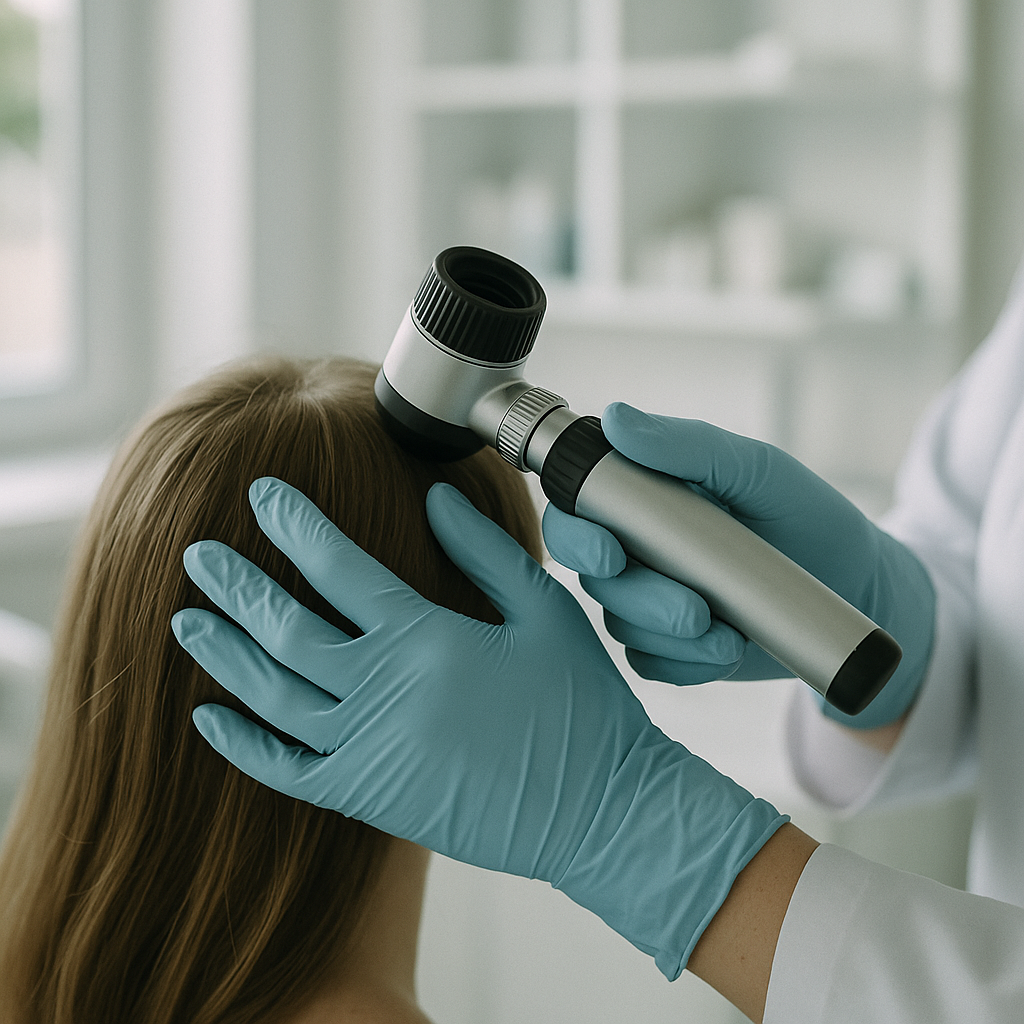
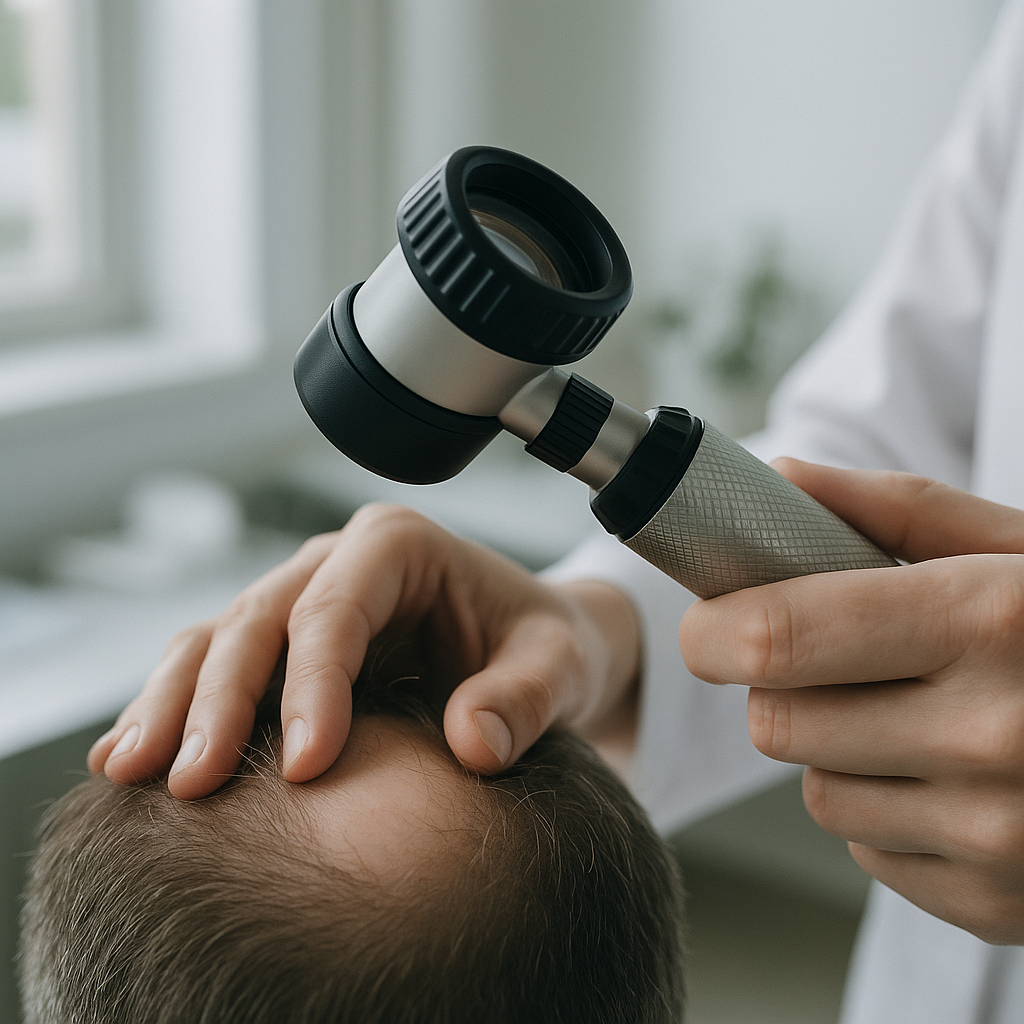
During a first consultation for suspected alopecia areata, the physician conducts a thorough visual inspection of the scalp and other body areas where hair loss is reported. They will look for the classic round or oval bald patches and examine the surrounding skin for redness or scaling. The "hair pull test" may be performed: a cluster of hairs is gently tugged to check how easily they come out, providing clues about ongoing hair shedding.
Dermatoscopy, a technique using a special magnifying tool, can reveal patterns such as "exclamation mark" hairs and pinpoint white dots typical of alopecia areata. A detailed medical history helps the clinician identify possible triggers or associated autoimmune conditions. The examining physician uses these observations to form a working diagnosis and discuss options for further assessment or management.
Tests sometimes used to rule out other conditions
Not every case will require laboratory tests, but sometimes blood work is suggested to look for signs of thyroid disease, vitamin deficiencies, or markers suggestive of autoimmune activity. This can help identify underlying factors that may influence hair loss or guide treatment decisions. If the diagnosis remains unclear, or if the bald areas present atypical features, a small scalp biopsy—removing a few millimeters of skin under local anesthesia—may be recommended. This can help distinguish alopecia areata from scarring alopecia or other skin diseases.
Other forms of hair loss the physician may consider include fungal infections (tinea capitis), telogen effluvium (diffuse hair shedding), and traction or cicatricial alopecia (permanent scarring). A methodical approach ensures that the most likely cause is identified and inappropriate treatments are avoided. For more detail on what to expect in the weeks after diagnosis or a procedure, the resource on month-by-month milestones after hair restoration can provide practical context. Ultimately, the diagnostic process is guided by the expertise and judgement of the examining physician.
Treatment Options: What’s Available and How They Work
Medications and topical therapies
Initial management of alopecia areata often involves reducing inflammation and supporting hair regrowth. Topical corticosteroids, applied directly to affected areas, are a common starting point for limited hair loss. These may be used as creams, lotions, or foams once or twice daily. For more persistent or patchy areas, corticosteroid injections into the skin can be considered, typically at intervals of 4 to 6 weeks. Both approaches aim to suppress the local immune response around hair follicles.
Topical minoxidil, available as a liquid or foam, is sometimes added. This medication is usually applied twice daily and may be suggested alongside corticosteroids. Visible regrowth, if it occurs, often takes several weeks to months. Outcomes may be patchy, fine, or incomplete, and not everyone will notice significant change.
Not all therapies are appropriate for every situation. Topical corticosteroids and injections require special caution in children or those with sensitive skin, as side effects like thinning or irritation can occur. Topical minoxidil is not officially approved for alopecia areata in every country, and its effectiveness may differ. The examining physician will recommend options that fit your health status and goals. For a sense of the variety of results, you can view outcome examples from completed treatments; these photos reflect individual experiences, and outcomes are not the same for everyone.
Advanced, experimental, and supportive options
Newer therapies are being explored for alopecia areata, including options for those with extensive or treatment-resistant conditions. Oral Janus kinase (JAK) inhibitors, such as baricitinib and ritlecitinib, act on immune pathways involved in hair loss. These medications are approved for alopecia areata in some countries, but access and eligibility depend on local regulations and individual health status. Side effects may include changes in blood counts or liver enzymes, so not everyone is a candidate. Topical immunotherapy, such as diphencyprone (DPCP), aims to alter the immune environment of the scalp and may be used in chronic or severe forms. This is a specialised technique and may not be widely available.
Supportive options can help with daily life. Wigs, partial hairpieces, and camouflage products—like powders or sprays—offer practical ways to address visible hair loss. Psychological support, whether through individual counselling or peer groups, is also valuable for many people. The timeline for regrowth can range from a few months to much longer, and cycles of loss and regrowth are common. Recurrence is possible even after periods of stability, so support and flexibility are important in ongoing management.
Risks, Side Effects and Living with Alopecia Areata Long-Term
Potential risks and side effects of treatments
Managing alopecia areata often involves weighing the potential benefits of each treatment against its side effects. Topical and injected corticosteroids, for example, can lead to skin thinning, irritation, or visible blood vessels (telangiectasia) at the site of use—especially if applied for many months or over large areas. Infections may occasionally develop in treated areas, particularly if the skin barrier is compromised. With oral JAK inhibitors such as baricitinib or ritlecitinib, laboratory monitoring is needed. These medications may alter blood test results, including changes in liver enzymes, cholesterol, or blood cell counts, and can increase susceptibility to some infections. Not every individual is eligible for these drugs, and their use requires careful assessment by a physician experienced in their safety profile.
Some therapies are not advised for everyone. Special caution is needed in children, pregnant individuals, or those with weakened immune systems, as certain medications may carry greater risks in these groups. Overusing topical steroids—such as applying them more frequently or for longer than prescribed—can increase the chance of unwanted effects. The final decision on treatment selection and safety always rests with the physician after a full discussion of your own health history and specific situation. Those considering different techniques for hair restoration, such as transplantation, may wish to explore how techniques differ in their approach and suitability before making a choice.
Coping strategies, relapse prevention, and support
Living with alopecia areata involves adapting to periods of hair loss and regrowth, which may cycle over time. Spontaneous regrowth of hair can occur, sometimes even without treatment, but relapses are common. For many, the uncertainty of the condition is as challenging as the hair loss itself. Psychological impacts such as anxiety, low mood, or self-esteem issues are not uncommon. Support groups, whether in person or online, offer a place to share experiences and coping tips—helping many to feel less isolated.
Practical approaches to coping may include using wigs or hairpieces, experimenting with camouflage powders or sprays for patchy areas, and talking openly with employers or schools to create a supportive environment. Some individuals find value in psychological counselling or mindfulness practices. Preventing relapse is not always possible, but following your treatment plan and maintaining regular check-ins with your healthcare provider can help identify early signs of return. Each person's journey with alopecia areata is unique, and support resources can make the experience more manageable over time.
| Treatment Type | Main Use | Typical Application | Potential Side Effects | Who May Not Be Suitable |
|---|---|---|---|---|
| Topical Corticosteroids | First-line for mild to moderate patchy loss | Applied daily to affected skin | Skin thinning, irritation | Avoid on large areas or in young children without specialist advice |
| Corticosteroid Injections | Focal patches on scalp/eyebrows | Injected every 4–6 weeks | Pain, skin atrophy | Not for widespread involvement, possible discomfort |
| Topical Minoxidil | Adjunct or maintenance | Twice daily to scalp or beard | Irritation, unwanted facial hair | Not always effective for severe forms |
| JAK Inhibitors | Severe or refractory cases | Oral daily (specialist prescription) | Lab changes, infection risk | Pregnant individuals, some immune disorders |
| Topical Immunotherapy | Persistent or extensive cases | Weekly under supervision | Redness, swelling, lymphadenopathy | History of severe skin allergy, young children |
Frequently asked questions
-
Triggers for alopecia areata flare-ups are not fully understood, but stress, infections, and other autoimmune conditions may play a role. However, for most people, there is no clear single cause.
-
Hair regrowth in alopecia areata may begin within a few weeks to months after starting treatment, but the timeline varies widely. Some may see limited or slow improvement, and outcomes are not predictable.
-
No diet or lifestyle intervention has been proven to reverse alopecia areata, but maintaining overall health, managing stress, and avoiding scalp trauma may support general hair and skin health.
-
A scalp biopsy may be considered if the diagnosis is unclear or if other causes of hair loss, such as scarring alopecia, need to be ruled out. This decision is made by the examining physician based on your clinical presentation.
Sources
- British Association of Dermatologists
- American Academy of Dermatology
- Journal of the American Medical Association (JAMA) Dermatology