What John Cena’s Hair Transplant Experience Reveals About Modern Techniques
John Cena’s public journey with hair transplants highlights the process, motivations and realities behind hair restoration today.
John Cena’s decision to have two hair transplant procedures puts a real face on the process and the choices many face about hair restoration.
The Story Behind John Cena’s Decision
Public scrutiny and personal motivation
Media attention often magnifies even the smallest change in a celebrity’s appearance. John Cena, known for his wrestling career and acting roles, faced extensive public scrutiny about his hairline, especially as he transitioned from the ring to more film work. Camera angles, social media commentary, and online speculation can intensify self-awareness. Cena discussed in interviews that watching himself on high-definition screens and noticing audience reactions played a significant role in considering hair restoration. He pointed out that personal comfort and confidence were also factors, not just external pressures. For many individuals in the public eye, these overlapping influences—external judgment and internal motivation—can shape the decision to undergo an aesthetic procedure. If you want to understand more about the different methods available for hair restoration, the DHI method is one of several options now in use.
Cena’s openness and impact on stigma
By choosing to speak openly about his hair transplant experiences, Cena contributed to shifting the conversation around male hair loss. He addressed the topic candidly, explaining that his decision was about feeling good in his own skin and maintaining a consistent on-screen image. This openness helped normalize the idea that hair restoration is a personal health and well-being choice, not just a cosmetic one. In recent years, several celebrities have also discussed their own journeys, including Wayne Rooney and Elon Musk, helping broaden public understanding. Cena’s transparency has led to more open discussions, encouraging others to consider their own needs without feeling isolated or embarrassed. Those interested in seeing actual outcomes from similar procedures can view results that people report after hair transplants, offering a realistic perspective on what to expect.
Understanding Cena’s Procedures: Methods and Milestones
Timeline of Cena’s transplants
Cena’s hair restoration journey unfolded over nearly two years. According to public interviews and the statements of his surgeon, Dr Ken Anderson, Cena underwent his first Follicular Unit Extraction (FUE) procedure in November 2024. The first session lasted approximately 13.5 hours. This initial procedure was aimed at restoring the hairline and increasing overall density. He returned for a second session in June 2026, with a reduced procedure time of about 8 hours. The shorter duration the second time is typical for follow-up procedures, which often focus on refining specific areas rather than covering the whole scalp. This staged approach allows the individual to evaluate the results before deciding on further steps. If you are interested in how the recovery process unfolds after such procedures, our guide to the recovery timeline outlines what many people experience in the months that follow.
Techniques used and what they involve
Both of Cena’s procedures used the FUE technique, which involves removing individual hair follicle units from a donor area—typically the back or sides of the head—and implanting them where more density is desired. FUE is favored for its minimally invasive approach and because it does not require a linear incision. Other widely used methods include Follicular Unit Transplantation (FUT), which involves removing a narrow strip of scalp tissue, and the Direct Hair Implantation (DHI) method, which uses a special pen-like tool for placement. For those interested in how these techniques differ in detail, our comparison of FUE, sapphire blades and DHI methods explains the practical distinctions and situations where each might be considered. The choice of method depends on hair characteristics, scalp condition, and the goals discussed with the physician. Individual experiences, such as session length and recovery, may vary depending on these factors.
Why a Second Hair Transplant May Be Needed
Common reasons for additional procedures
Some people who have already undergone a hair transplant may consider a second procedure for a variety of reasons. Ongoing natural hair loss around the transplanted area is a common motivator, as native hair can continue to thin with age or due to genetic factors. Others may seek more density in a specific region, especially if the first session focused mainly on restoring the hairline or crown and did not address all areas of concern. Refining the hairline—such as lowering or softening it to better match facial proportions—can also lead someone to seek a follow-up session. In cases where the first procedure achieved only partial coverage due to a limited graft count, individuals sometimes pursue a staged approach, adding more grafts once the initial results have matured. To learn more about how graft numbers are determined and what affects donor area limits, read about typical graft requirements and donor area limits.
What makes a second transplant less typical
A well-planned first hair transplant can significantly reduce the need for further procedures. Surgeons typically assess not just current hair loss, but also the likely progression over years, aiming to create a strategy that balances immediate goals with long-term aesthetic stability. Careful selection of the donor area and conservative harvesting help preserve hair for possible future use. There are, however, limits to how many times the donor area can be tapped. Each person has a finite supply of healthy hair follicles that can be moved. Attempting too many sessions risks overharvesting, which can leave visible thinning at the back or sides of the scalp. For a more detailed breakdown of how the donor area sets boundaries—and what numbers typically apply—you can read how many grafts can be safely harvested. Ultimately, not everyone is a candidate for multiple procedures; the examining physician will evaluate whether enough donor hair remains and whether further surgery is likely to achieve the desired effect.
Who Should Not Consider Hair Transplant Surgery?
Medical and lifestyle factors that may rule out surgery
Certain health and personal factors can make hair transplant surgery inappropriate or unsafe. Advanced diffuse hair loss, where thinning affects the entire scalp rather than specific areas, often leaves too few stable donor follicles for successful grafting. Individuals with insufficient donor hair—regardless of the cause—may also be excluded. Medical conditions such as uncontrolled diabetes, clotting or bleeding disorders, and some autoimmune diseases can increase risks during or after the procedure. In addition to medical history, factors like age, hair type, and the realism of one’s expectations play a meaningful role in candidacy. For example, those with overly curly hair or very light donor zones may face technical challenges or limitations on the naturalness of the outcome. If you are interested in hair restoration options tailored for women, hair transplant techniques for women are also available and have distinct considerations.
Why professional evaluation is essential
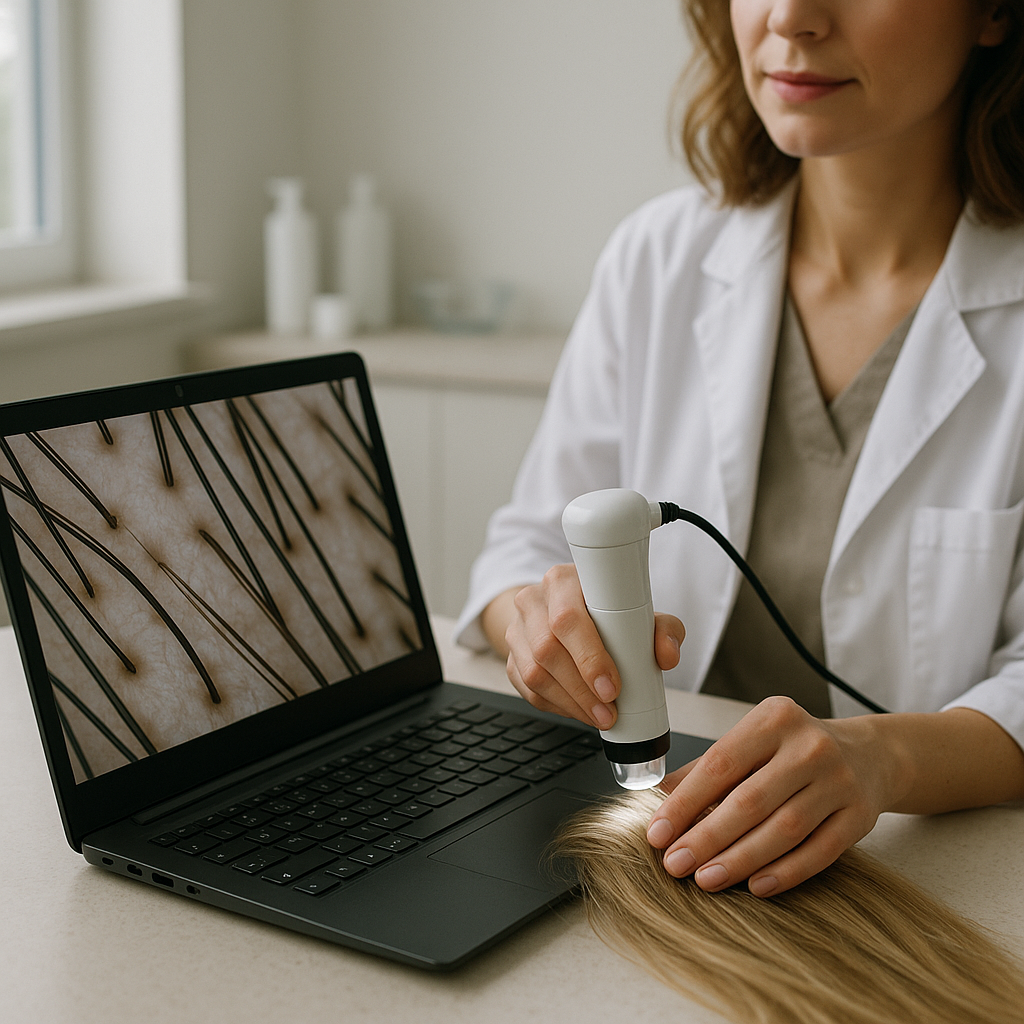
A thorough consultation and diagnosis are always needed before moving forward with surgery. Scalp examination, review of medical history, and sometimes blood tests help determine if the procedure is both safe and likely to meet someone’s goals. Only a qualified physician can assess the individual situation and confirm eligibility. This evaluation considers not just the current degree of hair loss, but also how it may progress, the quality of the donor area, and the person’s overall health profile. To get a sense of how outcomes can vary and what different approaches look like in practice, you may want to view results you can look at closely. Remember, each case is unique and the decision to proceed is best made with the guidance of an experienced medical professional.
| Method | How Grafts Are Taken | Shaving Required | Scarring | Surgery Duration | Typical Recovery |
|---|---|---|---|---|---|
| FUE | Individual follicles removed with micro-punch | Yes (donor area) | Tiny circular marks, hard to detect | 4–12 hours | 1–2 weeks for visible healing |
| FUT | Strip of scalp removed then divided into grafts | No (linear strip taken) | Linear scar at donor site | 6–10 hours | 2–3 weeks for scar to settle |
| DHI | Follicles extracted and implanted with a Choi pen | Can be less shaving | Minimal, similar to FUE | 6–10 hours | 1–2 weeks for healing |
Risks, Side Effects, and Recovery Timeline
What to expect during recovery
After a hair transplant, the first week usually brings mild swelling around the forehead or eyes, which often peaks within the first three days and fades over a week. Tiny scabs typically form at the sites where grafts are placed and usually fall off between days 7 and 10. Redness can also be present in both the donor and recipient areas and tends to diminish within 1–2 weeks, though for some individuals, it may last longer, especially with lighter skin types. It is common for the scalp to feel tight or itchy during this phase.
Temporary numbness or tingling may occur due to minor nerve irritation during the procedure, particularly in the transplanted area. This sensation usually fades over several weeks or months. Shock loss, which refers to the temporary shedding of some existing or newly transplanted hairs, can occur within the first month but is generally reversible as new growth resumes.
Folliculitis, a minor inflammation resembling small pimples around the new hairs, can also develop as hair begins to regrow. If you notice symptoms such as persistent redness, tenderness, or pus, these may indicate folliculitis. For a more detailed explanation of symptoms and ways to ease discomfort, see how folliculitis really develops and what eases the symptoms.
Long-term care sometimes involves topical treatments or medications to support ongoing hair health and preservation. Your medical advisor may discuss these options during follow-up visits. For a complete month-by-month breakdown of recovery and visible growth, visit our guide on month by month after a hair transplant.
Possible complications and how they are managed
Risks exist with any surgery, including hair transplantation. While most procedures are performed safely, rare complications such as infection, delayed healing, or noticeable scarring can occur. Initial signs include prolonged swelling, increasing discomfort, or unusual discharge, all of which should be promptly discussed with your physician.
Management typically involves careful monitoring and, if necessary, medical treatment such as antibiotics for infections or anti-inflammatory measures to control swelling or discomfort. In some cases, minor adjustments or additional sessions may be needed to address areas of uneven growth or persistent redness. Temporary side effects like numbness and shock loss usually resolve on their own, though regular follow-up appointments help ensure appropriate progress.
Ultimately, each person’s healing process and risk profile can differ, influenced by factors such as age, skin type, and adherence to aftercare instructions. The final decision about addressing any side effect or complication always rests with the examining physician, who can provide guidance tailored to your circumstances.
What John Cena’s Story Teaches About Hair Restoration
Realistic expectations for results
Visible results from a hair transplant do not appear overnight. Newly transplanted hair follicles shed their hairs in the first few weeks, and then new growth gradually emerges. Most people see early growth within three to four months, but meaningful density and hairline shape typically become apparent between 12 and 18 months. The design of the hairline, including its density and shape, is planned together with the medical team before the procedure. This ensures the approach complements your individual facial features and long-term goals.
Changes in hair texture and density can continue for more than a year, so patience is important. Some areas may appear thinner or patchy before thickening as all follicles enter their natural growth phase. It’s also possible that maintenance treatments—such as topical medications or non-surgical therapies—will be recommended to support both native and transplanted hair over time. These steps are discussed in detail during consultation and follow-up visits.
For examples of natural-looking outcomes in a variety of cases, you may find it helpful to look at results you can look at closely from people who have undergone similar procedures.
Choosing a technique and planning for the future
The main hair transplant techniques—FUE, DHI, and Sapphire—differ in their approach and instrumentation, which can influence factors such as session length, healing characteristics, and the appearance of the donor area. FUE (Follicular Unit Extraction) involves harvesting individual follicular units, while the DHI method uses a specialized tool to implant hairs directly, and the Percutaneous Sapphire technique utilizes sapphire blades for making precise micro-incisions. Each method offers certain advantages depending on hair type, area to be covered, and personal preferences.
A careful consultation helps clarify which method may align best with your needs and long-term goals. The approach taken also considers future hair loss patterns and donor area limitations. For a more detailed comparison of FUE, Sapphire, and DHI, see how these techniques actually differ.
Before making any decisions, it is wise to seek advice from an experienced medical team familiar with all available options. They can explain how each method fits your circumstances and help plan for a natural, sustainable result over time.
Frequently asked questions
-
Yes, John Cena has spoken publicly about undergoing two hair transplant procedures, sharing his experience to help reduce stigma around male hair restoration.
-
John Cena reportedly underwent Follicular Unit Extraction (FUE) for both of his procedures, a method known for minimizing visible scarring and offering a natural-looking result.
-
Sources report that his first procedure lasted around 13.5 hours, while the second took approximately 8 hours. The length can vary based on the number of grafts needed and individual characteristics.
-
A hair transplant can provide long-lasting results, but ongoing hair loss in untreated areas is possible. Maintenance treatments and follow-up care may be recommended depending on your situation.
Sources
- International Society of Hair Restoration Surgery (ISHRS)
- American Academy of Dermatology (AAD)
- Journal of Cosmetic Dermatology