
Buttock augmentation and lifting cover two very different approaches. Lipofilling uses your own fat, harvested by liposuction and reinjected, which allows the waist and hips to be reshaped at the same time. An implant provides a fixed volume and suits patients without enough fat to harvest. A third situation, lifting after major weight loss, is mostly about removing excess skin.
Fat or implant
Lipofilling requires an adequate donor area and accepts that some of the injected fat will be reabsorbed, in a proportion that cannot be predicted for an individual. An implant does not depend on fat reserves but introduces a foreign device, with the constraints that follow, particularly around sitting and returning to activity. The choice should be argued from your anatomy and from what you actually want to change, not from a photograph brought to the consultation.
A safety warning worth repeating
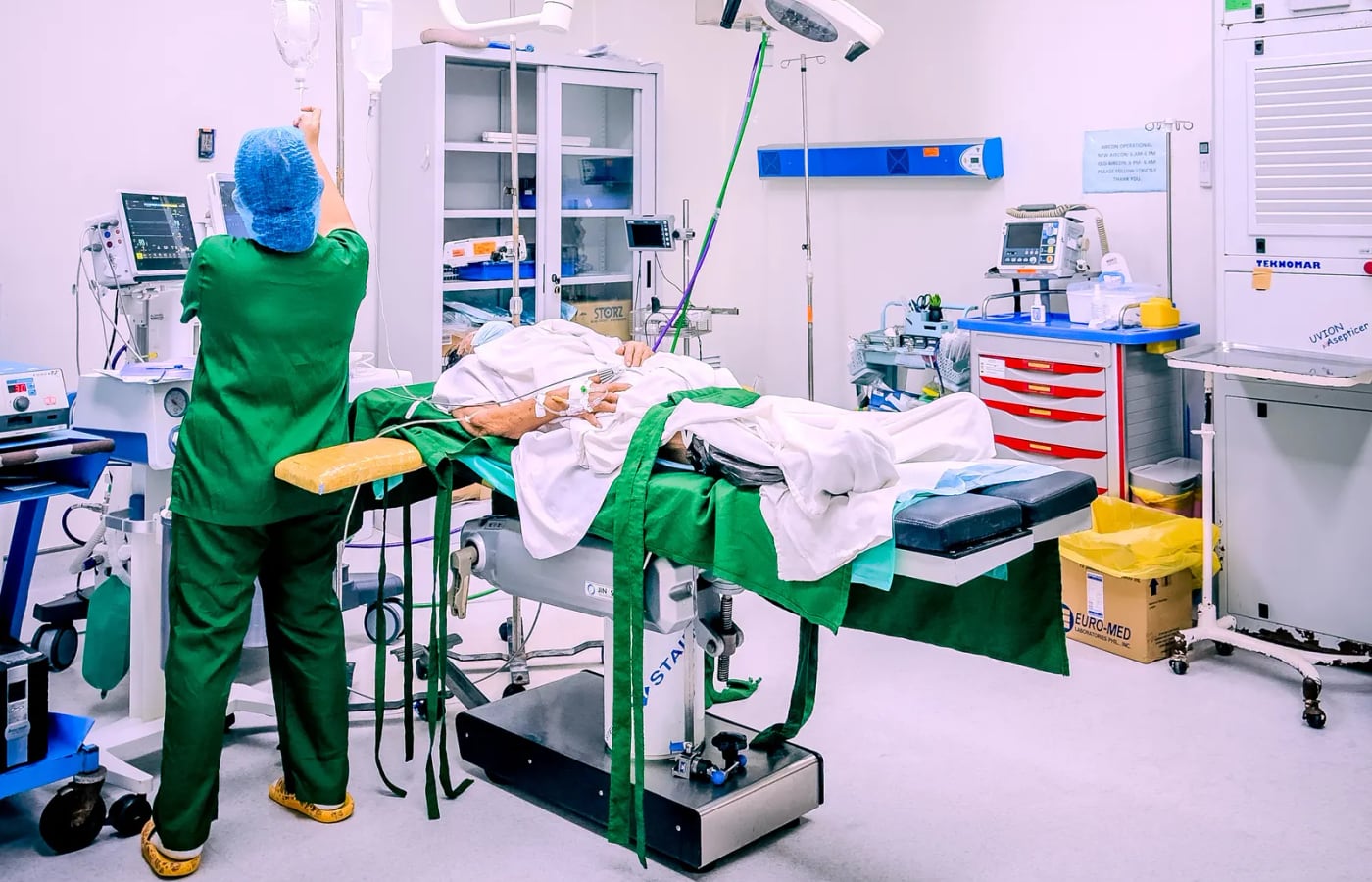
Regulators specifically warn against using injectable dermal fillers for buttock augmentation, and against injectable silicone. Both are still encountered in the informal market and both have caused serious harm. No price justifies that risk. The only acceptable setting is surgery in a proper operating theatre by a qualified surgeon.
What to ask
Ask about the exact technique and the plane used for placement or injection, about the surgeon's specific experience with this operation rather than with body contouring in general, and about what happens if a complication appears after you have flown home. Ask too how sitting and the return flight are managed, since those are the most concrete constraints of the first weeks. A clinic that has no clear answer about sitting, sleeping position and the flight itself has not thought the operation through to your arrival home.