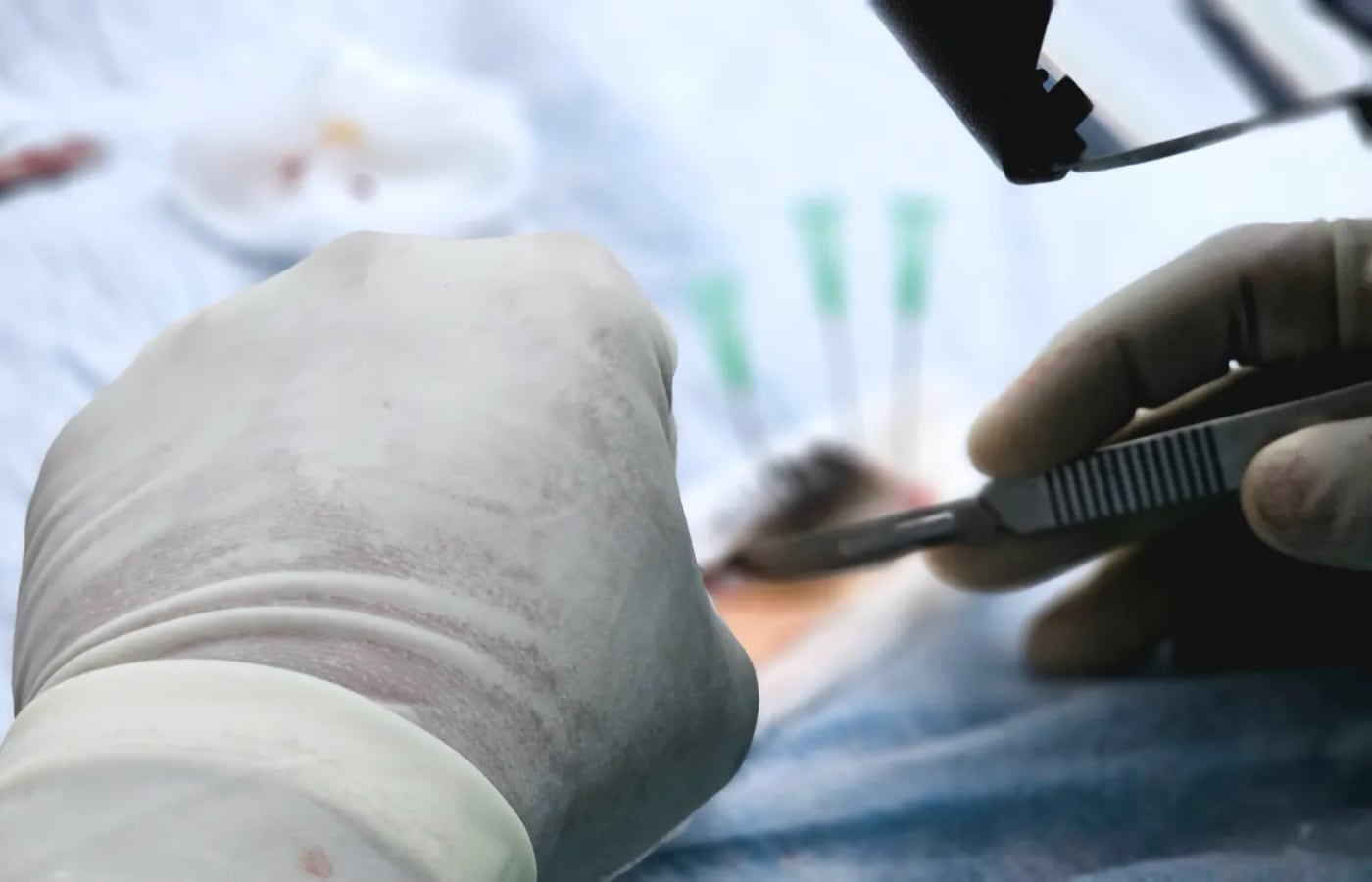
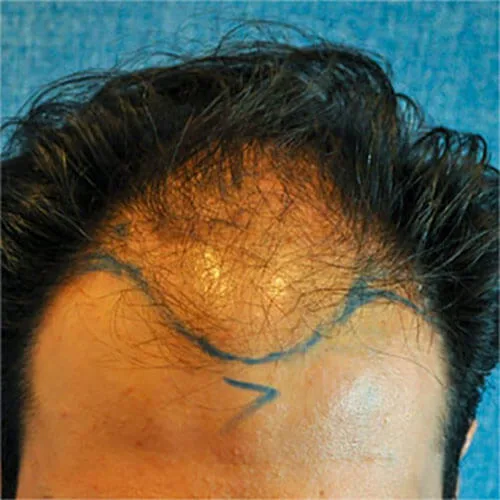
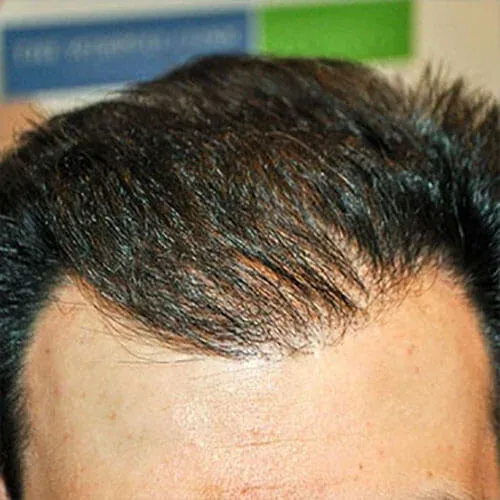
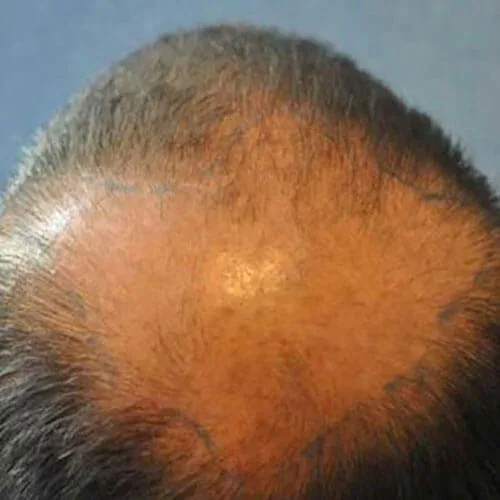
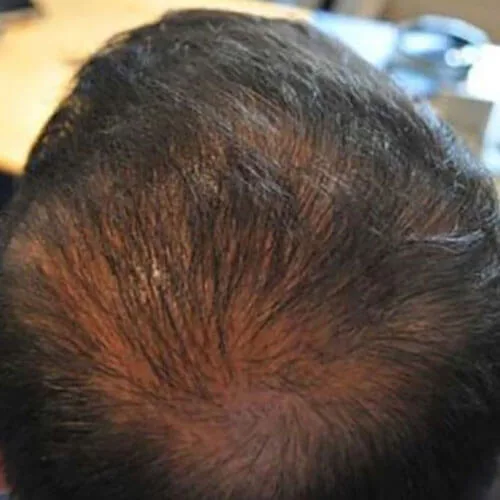
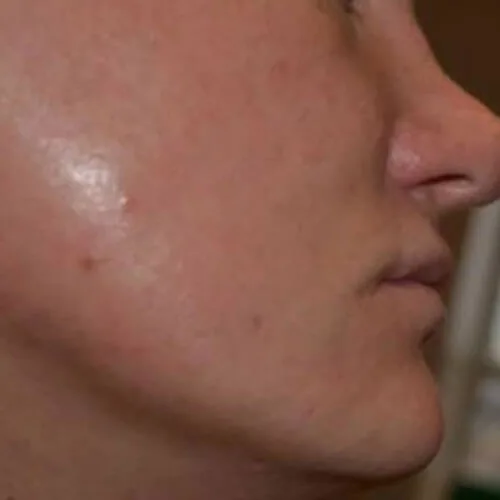
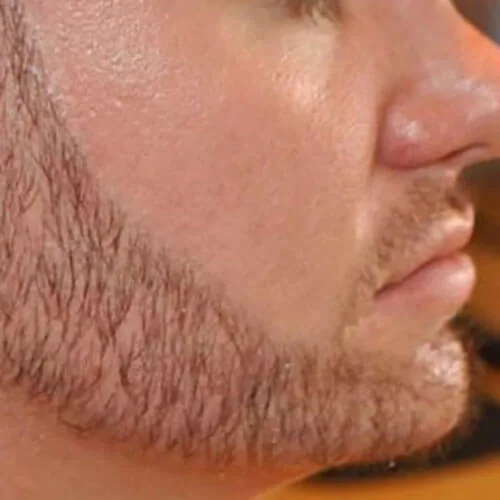
A transplant breaks down into three steps: extracting the follicular units (FUE, with a 0.8–1.0 mm punch), opening the recipient sites, and implanting. The branded names you meet online are not different operations; they bundle these three steps under a name.
Sapphire FUE means opening the recipient sites with a sapphire blade instead of steel. The blade is fine and regular; it is a good instrument. But no comparative study shows that the blade material improves graft survival or healing speed, and the international professional body for the specialty does not recognise "sapphire FUE" as a distinct procedure. What actually matters is the angle and depth of the incisions, and the experience of the hand making them.
The DHI method means implantation with an implanter pen (Choi type), which places the graft without a pre-made site. It is an implantation step, not a transplant method in its own right. It suits densifying an area that still carries hair, and patients who do not want a full shave. Again, no randomised trial shows higher survival than forceps placement.
The parameters that determine a result are documented: how long the graft spends outside the body, storage at 4–10 °C, an implantation density matched to your donor area, and the transection rate the team aims for — under 10% is the professional benchmark. Those are the questions to ask, more than the name of the technique.