What to Expect When Considering 3000 Grafts Hair Transplant in Turkey
Key facts about cost, inclusions, and decision factors for a 3000 grafts hair transplant in Turkey.
A 3000 grafts hair transplant in Turkey typically involves a package price with a range of inclusions and variable costs depending on technique and clinic.
Understanding 3000 Grafts: What Does It Mean?
How graft counts translate to coverage
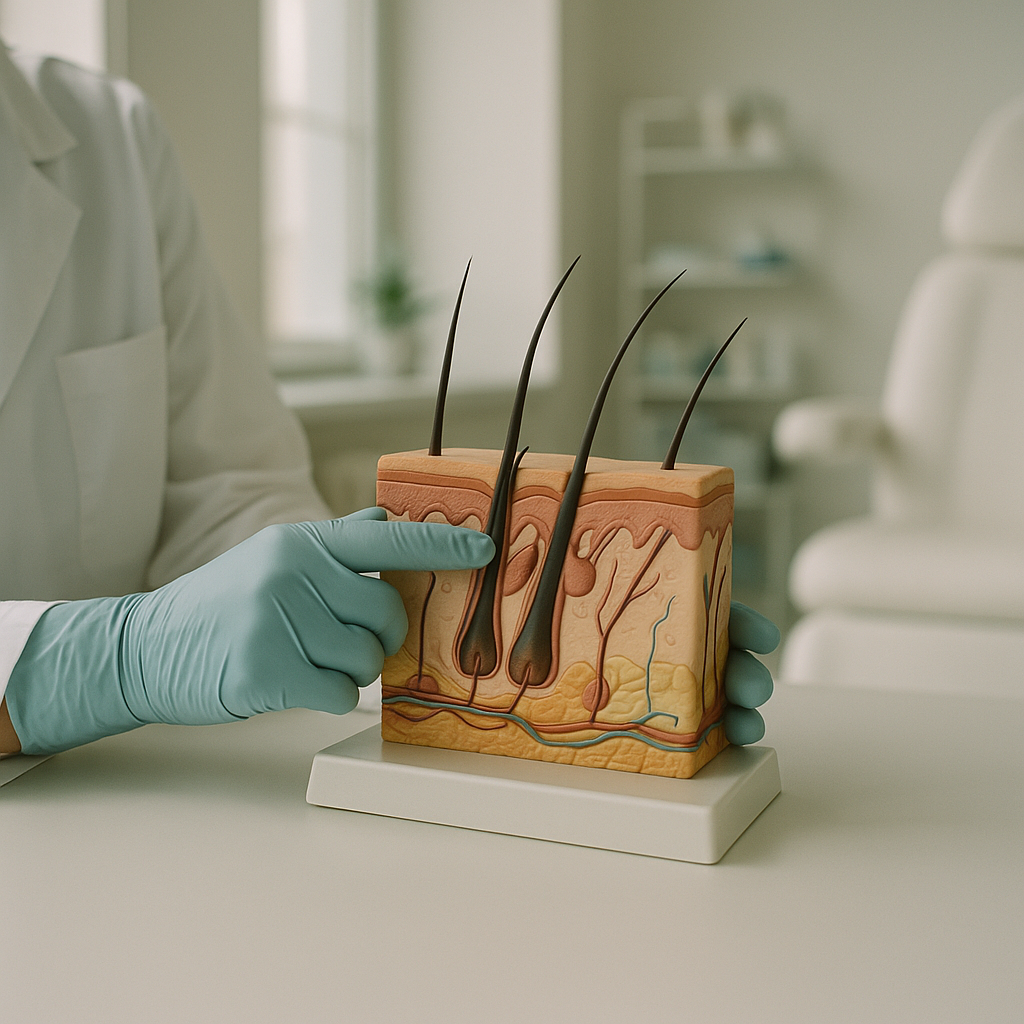
In hair transplantation, a graft refers to a small cluster of hair follicles—typically 1 to 4—that is moved from a donor area (usually the back or sides of the scalp) to an area experiencing thinning or hair loss. When discussing a procedure involving 3000 grafts, this means around 6,000 to 8,000 individual hairs, depending on the natural follicle grouping in your donor area.
For most adults considering a hair transplant, 3000 grafts are often sufficient to address moderate thinning or recession. On the Norwood scalewhich measures male pattern baldness, this amount usually targets coverage for stages II to IV. This range can restore a receding hairline, fill in the temples, or add density across the mid-scalp. Full crown coverage usually requires a larger number of grafts, so 3000 grafts are more often chosen for rebuilding the front and top of the scalp.
Common reasons for choosing 3000 grafts
Many individuals select this graft count for hair restoration when they want to restore a natural hairline, improve density on the top of the head, or achieve moderate improvement without seeking full scalp coverage. People in their 30s or 40s experiencing ongoing but stabilised hair loss often find this number balances visible results with a reasonable use of their donor supply. Others may have had a previous transplant and want to enhance density or correct earlier work.
Hair Transplant Techniques and Their Influence on Pricing
Comparing FUE, DHI, and Sapphire methods
The approach chosen for a 3000 grafts hair transplant affects both the procedure and the experience. FUE (Follicular Unit Extraction) involves individually removing grafts and placing them into small incisions. Sapphire FUE uses a special sapphire-tipped blade for recipient site creation, which some believe may support finer incisions. DHI (Direct Hair Implantation) utilises a pen-like instrument to extract and implant grafts in a single movement, often skipping the need for recipient incisions altogether.
Each technique has implications for session length. For 3000 grafts, FUE and Sapphire FUE usually take 6 to 8 hours, often completed in one day. DHI can require a similar or slightly longer duration, as the process is more meticulous due to the precise placement of each graft with the implanter pen.
How method choice affects the cost
Technique selection plays a major role in determining overall price. DHI typically leads to a higher cost because of the specialised instruments and the increased time and expertise required. FUE, while still detailed, generally costs less than DHI. Sapphire FUE may sit between standard FUE and DHI, as the sapphire tips are a unique consumable but do not always affect the time as much as DHI does. Those considering discreet or partial-shaven approaches with DHI may also see this reflected in the package price.
Price Ranges for 3000 Grafts in Turkey
Typical all-inclusive package prices in euros and pounds
For a 3000 grafts hair transplant in Turkey, many clinics present all-inclusive packages. These often range from €1800 to €3200 or £1600 to £2800 for the complete process. This price typically covers the transplant itself, as well as various services designed to help international visitors. Packages may include hotel accommodation for 2–3 nights, transfers between airport, hotel, and clinic, interpreter services, pre-operative blood tests, local anesthesia, and post-procedure medication for several days. According to the International Society of Hair Restoration Surgery (ISHRS), these bundled services are common in Turkey's medical tourism sector, but the presence of extras does not guarantee a higher standard of care. When comparing options, look closely at what is listed in writing and ask specifically if there are additional fees for unforeseen circumstances.
Per-graft pricing and what it means
Some clinics in Turkey advertise pricing by the graft, with the typical range for 3000 grafts falling between €0.60 and €1.10 per graft. For example, a quoted rate of €0.80 per graft would suggest €2400 for 3000 grafts, not including extras. Per-graft pricing can allow more flexibility for those with different coverage needs, but it’s essential to clarify whether quoted rates include services like medication, accommodation, or follow-up. Beware of choosing solely on price: package structure, technique, and aftercare all play a role in your experience and potential outcome. You can review results you can look at closely for a better sense of what different clinics offer.
What’s Included in a Typical 3000 Grafts Package?
Services and extras commonly covered
Most Turkish clinics offering 3000 grafts hair transplant packages design them for international visitors. A typical package often includes pre-operative blood tests, the transplant procedure using a chosen method (like FUE or DHI), local anesthesia, a supply of post-operative medication for the first week, and a detailed aftercare plan. Accommodation in a partner hotel for two or three nights is frequently arranged, and airport as well as clinic transfers are commonly part of the deal. Interpreter services are standard for non-Turkish speakers. Some clinics might also provide an initial shampoo session or a follow-up consultation before your return journey. To understand how various techniques might be incorporated into such packages, you can refer to our hair transplant treatments overview.
Potential exclusions and variable policies
Not all package deals include every possible service. Items sometimes excluded are extended hotel stays, extra or long-term medication, additional aftercare products like special shampoos, or revision sessions if an adjustment is needed later on. Some clinics may offer a fixed number of follow-up consultations, while others charge for further visits. Policies on inclusions can differ from one clinic to another—even within the same price range. Always request a written breakdown of what is included and ask detailed questions about what happens if plans need to change. Careful review of the inclusions can help avoid unexpected costs and confusion.
| Country/Region | Typical Price Range (EUR) | Common Inclusions |
|---|---|---|
| Turkey | €1800–€3200 | Procedure, pre-op tests, hotel, transfers, post-op medication |
| United Kingdom | €6000–€9000 | Procedure, some follow-up, limited extras |
| Western Europe (Germany, France) | €7000–€9500 | Procedure, basic aftercare |
Factors That Influence the Final Cost
Clinic location, reputation, and team experience
Hair transplant pricing in Türkiye does not follow a fixed formula. Istanbul typically attracts higher prices than other cities, reflecting its concentration of experienced teams and internationally accredited facilities. Clinics with a longstanding reputation or those led by surgeons who have many years of practice may adjust their pricing accordingly. In addition to the surgeon’s experience, the training and size of the support staff also come into play—a larger, well-coordinated team may handle larger sessions more efficiently, which sometimes influences the quoted price. Facility accreditation is another factor, as clinics meeting certain international or national standards may include additional safety protocols and amenities in their service.
How technique and patient needs impact pricing
Not every 3000 graft procedure has the same complexity. Factors like hair curliness, thickness, and color can influence the time and care required during extraction and placement. For example, curly or very light hair may require more attention, which can affect duration and cost. Individuals who have had previous hair transplants might need more time due to changes in scalp condition or scarring. Currency exchange rates and periods of high demand, such as during holiday seasons, can also cause price variations. According to the British Association of Hair Restoration Surgery (BAHRS), these variables are routinely discussed in consultations to ensure a clear understanding of what determines the final quotation.
Who May Not Be Suitable for 3000 Grafts Transplant?
Common reasons for ineligibility
An individual may not always be considered for a 3000 graft hair transplant. If there is insufficient donor hair at the back or sides of the scalp, achieving a natural result with that graft count can be difficult. Certain scalp conditions—such as active infections, severe dermatitis, or untreated folliculitis—often mean it is safer to postpone or avoid surgery. Chronic medical conditions that are not well controlled, like diabetes or bleeding disorders, may add to the procedure’s risks. Sometimes, unrealistic expectations about coverage or density after a single session can limit suitability, as not everyone’s hair and scalp characteristics allow for the same visual effect. Those with significant scarring from previous surgeries might also require alternative approaches.
The necessity of a physician’s evaluation
No online information replaces a clinical examination by a qualified physician. Assessing candidacy for a 3000 graft procedure involves a close look at the donor area, scalp health, general health status, and personal goals. A medical professional will explain the options available and discuss what can reasonably be achieved in an individual case. If you wish to better understand how scalp conditions may affect your eligibility, insights on folliculitis, including when it may delay surgery, are explained in our article on folliculitis symptoms and causes. The final recommendation always depends on a thorough, in-person evaluation to ensure safety and realistic planning.
Risks, Side Effects, and Recovery Timeline
Potential risks and how often they occur
Hair transplant procedures, whether carried out with FUE or DHI techniques, involve some possible risks. Most people experience mild side effects such as swelling around the forehead or eyes, temporary numbness in the scalp, minor bleeding at graft sites, and mild discomfort. These symptoms typically resolve within days to a week. Folliculitis—small red bumps or pimples at the graft sites—can develop in the weeks after surgery and usually responds to simple care measures. According to the European Academy of Dermatology and Venereology (EADV), these minor side effects are common and usually manageable with proper post-procedure care. Serious complications, such as infection or noticeable scarring, are less frequent but may be more likely in those who smoke, have diabetes, or take medications that affect healing. The examining physician will assess your risk factors during consultation and discuss any precautions specific to your health background.
Recovery: what to expect in the first weeks and months
Initial healing after a 3000 grafts hair transplant generally takes about 7–10 days, during which crusts and redness fade. Swelling and mild discomfort may persist for the first few days. By week two, visible swelling usually subsides. Around 2–4 weeks after the procedure, the transplanted hairs commonly shed—a normal part of the process. New growth typically begins at 3–4 months, with visible improvement often seen by 6 months. Full regrowth continues over 12 months. The timeline can vary depending on individual healing and the technique used. For a helpful overview of folliculitis and how symptoms can be managed, see our explanation of folliculitis and its treatment.
Comparing Costs: Turkey vs. UK and Other Countries
How Turkish pricing stacks up
For a 3000 grafts hair transplant, clinics in the UK most often quote package prices in the range of €6000–€9000. In Türkiye, the cost for similar packages is significantly lower, reflecting differences in operating costs and market factors. Below is a simple comparison table of average package prices:
- UK: €6000–€9000
- Türkiye: Consult clinic for current pricing
The lower cost in Türkiye generally includes the surgical procedure, accommodation, airport transfers, and sometimes even translation services. For a closer look at the techniques that influence hair transplant pricing and options, you can explore our hair transplant overview.
What to consider beyond the headline number
When comparing prices, factors such as travel expenses, aftercare, and follow-up policies play an important role in the total experience. Some clinics include post-procedure check-ups, medications, and extended support, while others may charge separately for these services. Travel costs—flights, local transportation, extra nights—should be calculated into your budget. Not all packages offer the same level of aftercare or long-term follow-up, so it is helpful to clarify what is covered before booking. For those interested in seeing what real outcomes can look like, you may wish to review our gallery of hair transplant results.
Frequently asked questions
-
The average package price for 3000 grafts in Turkey typically ranges from €1800 to €3200, depending on the clinic, method, and services included.
-
DHI is often at the higher end due to specialized instruments and longer procedure times, while FUE and Sapphire FUE tend to be somewhat less expensive.
-
Packages commonly include the procedure, anesthesia, pre-op tests, transfers, hotel accommodation, translator support, and initial post-op medications.
-
Three thousand grafts can provide good coverage for moderate hairline and crown thinning but are generally not enough to fully restore a completely bald scalp.
-
The final cost can vary based on the technique used, individual hair characteristics, and the specific package inclusions offered by the clinic.
-
Not everyone is a suitable candidate. The decision depends on donor hair availability, scalp health, and overall medical condition, all of which must be assessed by a physician.
-
Common side effects include swelling, mild discomfort, and temporary numbness. Rarely, infection or prolonged redness can occur. Your physician can explain risk factors in detail.
-
Transplanting 3000 grafts typically takes 6 to 8 hours, but the duration can vary with technique and individual factors.
-
Some clinics include follow-up visits or remote check-ins in their packages, but policies vary. Always confirm what aftercare is provided before choosing a clinic.
-
The cost in Turkey is generally much lower, often less than half the typical UK price for the same number of grafts, while still including similar services.
Sources
- International Society of Hair Restoration Surgery (ISHRS)
- British Association of Hair Restoration Surgery (BAHRS)
- European Academy of Dermatology and Venereology (EADV)