
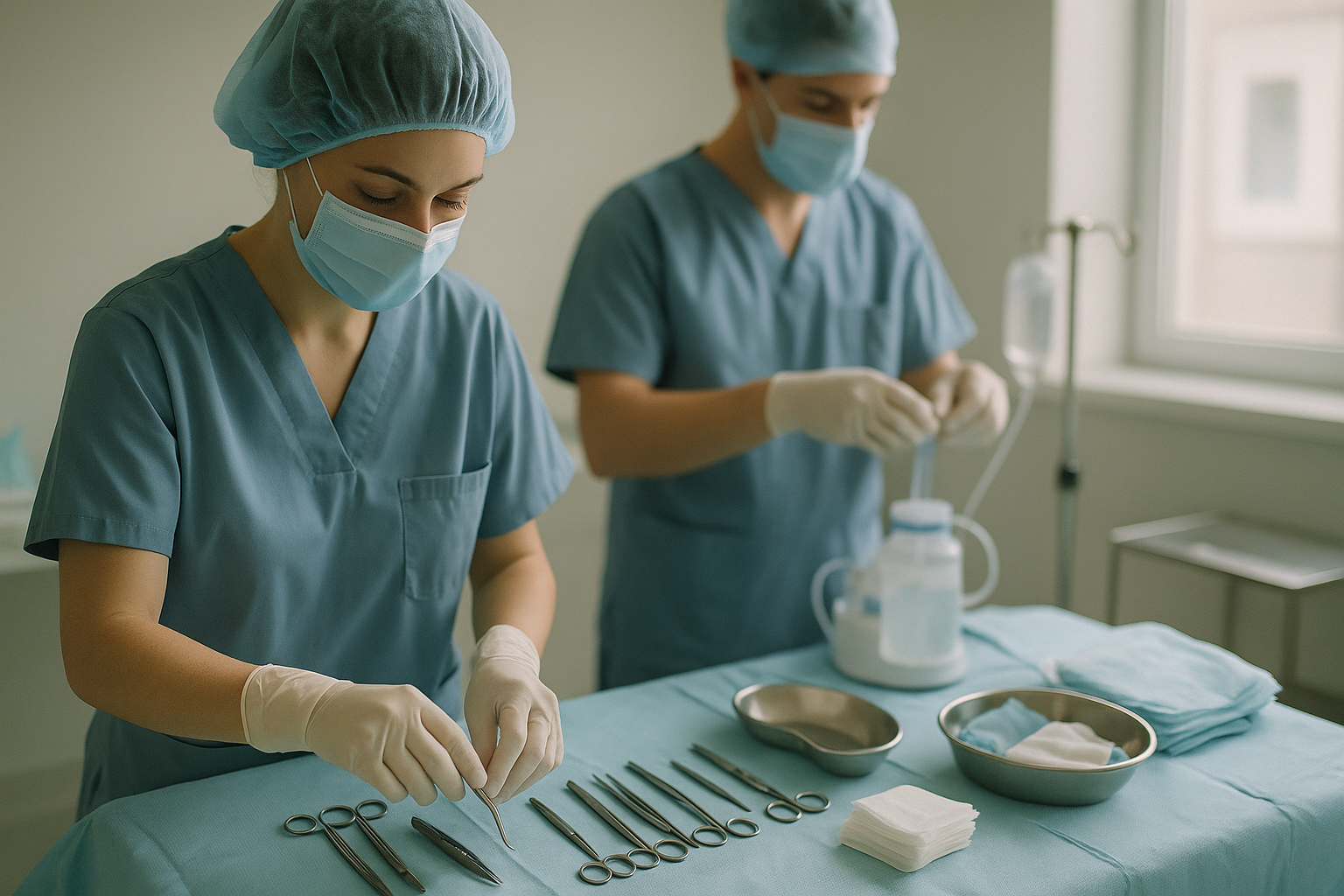
A beard transplant redistributes your own hair to reshape or thicken your beard, moustache or sideburns using careful planning and precise technique.
A beard transplant uses your own hair to fill patchy areas, cover scars, or reshape your beard with natural-looking density and direction.
What a Beard Transplant Can Achieve
Filling gaps, scars, and reshaping facial hair
Many people consider a beard transplant when facial hair is uneven, thin, or interrupted by scars. This approach can add density to patchy beards, fill in bare spots where hair does not grow, or help camouflage visible scars from injury, burns, or previous surgery. Some choose to restore or redefine areas such as the moustache, goatee, or sideburns, often seeking a balanced and symmetrical result. Transplanted hair is carefully matched to the direction and growth pattern of your existing facial hair for a seamless look.
If scars are present on the face—whether from trauma, surgery, or dermatological conditions—hair can sometimes be transplanted over the area to help disguise the mark. In these cases, the examining physician will assess the scar tissue to determine if it is suitable for transplantation, as scars can affect hair growth differently from person to person.
Common reasons for choosing a beard transplant
People who seek this procedure often have naturally sparse or uneven beard growth, which may be related to genetics, hormonal factors, or developmental differences. Others consider beard transplantation after injuries, burns, or operations that left areas without hair. Transgender men may also pursue beard transplantation to reinforce facial masculinity when hormone therapy alone has not resulted in the desired beard or moustache growth.
Realistic expectations are important. The density achieved is planned to avoid stress on the skin and to allow for natural grooming. The focus is on achieving an even, authentic look rather than maximizing density. To see how transplanted facial hair can appear in real cases, visit results you can look at closely for examples. Each outcome reflects individual hair characteristics and healing, which can differ from person to person.
Who Is and Is Not Suitable for Beard Transplant
Criteria for candidacy
Candidacy for a beard transplant depends on several factors. A stable facial hair pattern is important, so waiting until at least the mid-20s is often recommended, as facial hair may continue developing into the early twenties. A healthy donor area on the scalp, usually at the back of the head, is also essential, since these hairs are most commonly used for transplantation. Realistic expectations about achievable thickness and shape are key.
The physician may also consider overall health status, the absence of chronic skin conditions, and a willingness to follow pre- and post-procedure care instructions. For more about a common skin condition that may affect suitability, see how folliculitis really develops and what eases the symptoms. Commitment to aftercare, including pausing smoking, can influence both eligibility and healing.
Situations where beard transplant may not be recommended
Certain situations may lead a physician to advise against or delay a beard transplant. Active skin conditions such as severe acne, uncontrolled folliculitis, or ongoing infections can increase the risk of complications and affect healing. Those with active alopecia areata, a condition where hair is lost in patches due to immune activity, may not be suitable while the condition is unstable. If there is not enough donor hair on the scalp, either due to previous procedures or naturally sparse growth, options may be limited.
Young age may also be a reason to wait, as facial hair and donor areas may still be developing. Persistent smoking or reluctance to pause smoking before and after the procedure may affect healing and the appearance of the beard. The final decision about suitability is made by the examining physician, who considers all relevant medical and personal factors and aims for a safe, realistic plan.
How the Beard Transplant Procedure Is Planned
Assessing your facial features and goals
During your consultation, the clinician examines your facial structure and current beard pattern, then discusses the style and density you would like to achieve. The plan is designed to work with your natural contours and the direction of your facial hair growth. Attention is paid to asymmetries, hair thickness, and how new grafts will blend with existing facial hair. Preferences for beard shape—such as a strong jawline, full goatee, or defined sideburns—are balanced with your natural hair characteristics. The physician aims to outline a beard design and density that appears harmonious and fits your facial proportions. Rather than duplicating original beard density, the goal is to achieve an even, natural-looking result that matches your expectations.
Graft count and distribution: real numbers
Beard transplant planning involves estimating how many follicular unit grafts are needed for each facial area. For moustaches, 300 to 400 grafts per side are commonly used. The chin or goatee area often needs 600 to 700 grafts, while sideburns may require about 200 grafts per side. Achieving a full beard can involve 2,000 to 2,500 grafts in total. For covering scars, 300 to 400 grafts may be used to help camouflage the area. Distribution is carefully planned, with higher density along the jawline and chin and more spaced-out placement elsewhere, to avoid an unnatural look. The aim is to create a visually fuller beard that integrates well with your existing facial hair. To see how these numbers relate to real outcomes, you can review actual beard transplant results.
Harvesting and Preparing Hair Grafts
Donor area selection: scalp, beard, or body
The back of the scalp—specifically, the occipital zone—is most often used as the donor area for beard transplants. This region usually provides hair with characteristics similar to facial hair in thickness and growth pattern. If more grafts are needed, or if scalp supply is limited, hair from under the jawline or the neck beard may also be considered. In some cases, body hair such as from the chest can be used as a secondary donor source, though these hairs often differ in texture and growth. The choice of donor area depends on the availability and quality of your hair and your desired beard shape and density. The clinician will assess the suitability of each source based on hair thickness, colour, and curl, aiming for a result that complements your features.
Sorting and handling grafts for facial use
Follicular Unit Extraction (FUE) is commonly used to harvest grafts for beard transplantation. This method allows for the careful removal of individual hair follicles, typically containing one or two hairs per graft, which is useful for precise placement and a natural appearance. After extraction, grafts are sorted under magnification: single-hair grafts for the moustache, cheek lines, and beard edges, and two-hair grafts for denser areas like the chin and jawline. The process is designed to protect the delicate follicles, keeping them hydrated and undamaged before implantation. For more about how follicle quality and handling affect outcomes, see how folliculitis develops and what helps. Careful sorting helps create a beard with natural variation and density, tailored to your chosen style.
Transplant Techniques: FUE versus DHI for Beard
Overview of FUE and DHI approaches
Follicular Unit Extraction (FUE) and Direct Hair Implantation (DHI) are the two main approaches used for beard transplants. Both begin by extracting hair follicles from a donor area, most often the back or sides of the scalp, where hair is generally thicker and has a texture similar to facial hair. With FUE, individual follicular units are removed using a micro-punch tool, then prepared and stored before being implanted into the beard area. Small incisions are created in the recipient site, and follicles are inserted one by one. In DHI, the extracted follicles are loaded into an implanter pen, allowing the physician to create the incision and implant the follicle in a single motion. This method offers fine control over the depth, angle, and direction of each hair—key for recreating the natural growth patterns of facial hair. For those who prefer a more discreet process, partial-shaven DHI can keep the donor area largely unshaven, which may help reduce visible signs of recent treatment.
Pros and limitations for beard restoration
FUE and DHI each present specific advantages and considerations for beard restoration. FUE is known for its adaptability and is commonly used for both scalp and facial hair procedures. It allows for harvesting a tailored number of grafts in a single session, which can suit those seeking to cover a larger area. However, FUE typically requires shaving the donor area, which may not suit everyone’s preference for privacy. DHI enables the physician to control the angle (often 10–20 degrees for beard hairs), direction, and density of each graft—important factors for a natural look. The use of an implanter pen in DHI also allows for smaller, more precise incisions and can support denser placement in targeted areas. In some cases, both techniques are combined: DHI for areas needing detailed direction and FUE for broader zones. The most appropriate technique depends on your goals, hair quality, and personal preferences, with the final decision made during your medical consultation.
| Technique | Extraction Method | Incision Method | Visibility of Donor Area | Control Over Hair Direction | Typical Use Cases |
|---|---|---|---|---|---|
| FUE | Grafts extracted individually from donor site | Incisions made in recipient area before placement | Donor area is usually shaved | High, but direction set at incision | Larger areas, high graft counts |
| DHI | Grafts extracted and implanted immediately | No pre-made incisions; implanter pen used | May allow for partial shaving | Very high, direction set during implantation | Smaller areas, detailed contouring, scar camouflage |
What Happens on the Day: Procedure and Immediate Aftercare
Step-by-step on the operation day
After arrival and preparation, local anaesthesia is applied to both donor and recipient areas so you remain awake but should not feel pain during the process. Hair follicles are extracted—either with FUE using a micro-punch tool, or with DHI using a specialised extraction device. This step generally takes one to two hours, depending on the number of grafts. For FUE, tiny incisions are then made in the beard area at a 10–20 degree angle, following the natural growth direction of facial hair. With DHI, the implanter pen allows each follicle to be placed in one motion, offering precise control over orientation. Each graft is positioned individually, and this placement phase is the most time-intensive part of the procedure. The overall session usually lasts four to eight hours, depending on the extent of the restoration. Photographs may be taken for documentation, and after a brief observation, you can typically leave the clinic the same day.
Initial care and precautions
In the days following your procedure, mild swelling, redness, and small crusts around the transplanted hairs are common and usually resolve within a week. Following the aftercare instructions from your medical team supports proper healing. This often includes using a gentle saline spray to keep the area clean, avoiding direct sun, and sleeping with your head elevated for a few days. Washing your face or beard area should be avoided for the first two to three days, or as directed. Strenuous exercise, swimming, and contact sports should be postponed for about a week to prevent trauma to the grafts. Avoid scratching or picking at crusts to protect healing follicles. Your aftercare will be tailored to your situation, and you may wish to view our results you can look at closely to see examples of recovery. Careful adherence to these steps helps minimise common early discomforts and supports the settling of transplanted follicles.
Recovery Timeline and What to Expect Week by Week
First days to first month: visible changes
Redness and mild swelling in the treated areas are common after beard transplantation and typically begin to subside within the first few days. Tiny crusts or scabs form around each transplanted hair follicle and usually fall off naturally between 7 and 10 days. Avoid picking at these crusts, as this can interfere with healing and graft survival.
Discomfort tends to be mild and can be managed with basic aftercare. Many people resume work or social activities after a few days when following post-procedure advice. Between the second and fourth weeks, shedding of the transplanted hairs often occurs—a phase known as "shock loss." This is expected and does not mean the follicles are lost; they remain under the skin and begin preparing for new growth.
Shaving or trimming the beard area should be delayed until healing is well underway. Most clinics advise waiting at least two weeks before shaving or until your physician advises it is safe. This helps ensure the new grafts are secure in their new location.
Growth phases and final results
New beard hair growth generally becomes visible by the third month after transplantation. These initial hairs may be thin or fine. Over the next several months, they typically become thicker and blend more naturally with existing facial hair. By 6 to 9 months, most visible changes are apparent, but additional maturation can occur up to 12 months post-procedure.
Full maturation of transplanted beard hair often takes 9 to 12 months, as the new hairs reach their final length and texture. For visual examples of how results develop, you can refer to our results gallery. Since the progression varies from person to person, discussing your expected timeline at follow-up visits can help track your healing and make adjustments to your care if needed.
Risks, Possible Side Effects, and the Importance of Medical Evaluation
Potential risks and side effects
Beard transplants, like other hair restoration methods, carry certain risks and possible side effects. Temporary redness, swelling, or discomfort in the donor or recipient areas are common in the days after the procedure. Infection is a potential risk, though it is uncommon with careful hygiene and aftercare. Folliculitis—an inflammation of hair follicles—may occasionally develop during healing. For more on this condition and ways to manage symptoms, see how folliculitis develops and what may ease its symptoms.
Other possible effects include minor scarring at the donor or recipient sites, uneven growth, temporary numbness, and a less than expected number of hairs taking root. These risks may be higher in those with certain skin types, pre-existing medical conditions, or a history of scarring. If unevenness or patchiness occurs, some consider additional sessions, but any decision on further procedures is made after medical review.
Why physician assessment is essential
An in-person evaluation with a qualified physician is necessary before considering a beard transplant. Only a medical professional can assess your skin, hair characteristics, and general health to identify any risk factors or reasons a procedure may not be suitable. Individuals with chronic skin conditions or previous scarring may require special consideration or different approaches.
During the assessment, your goals and expectations are discussed, and the physician examines your beard and scalp to determine what may be achievable in your case. Alternatives, possible risks, and realistic outcomes are reviewed to help you make an informed decision. For information about other facial and skin procedures, you can explore our cosmetic dermatology treatments overview.
Frequently asked questions
-
Most swelling and visible signs subside within one to two weeks. Hair shedding is expected in the first month, and new growth usually starts to appear after three to four months, with final results by 9 to 12 months.
-
The back of the scalp, particularly the occipital region, is the most common donor area. In select cases, additional grafts may be taken from the beard or body if suitable.
-
With careful planning of hair direction and angle, and appropriate graft selection, the transplanted beard can appear natural and blend with existing facial hair. Final appearance depends on individual characteristics and the skill of the medical team.
-
Those with active skin or scalp diseases, ongoing alopecia areata, unstable facial hair patterns, or insufficient donor hair are generally not candidates. An examining physician will determine suitability.
-
Potential risks include infection, temporary numbness, redness, swelling, folliculitis, and uneven or poor hair growth. Most side effects are temporary and manageable with proper care.
-
You should avoid shaving or trimming for at least two to three weeks post-procedure, or as advised by your physician. After the initial healing period, normal grooming can usually be resumed.
-
A full beard typically requires between 2,000 and 2,500 grafts, but the exact number depends on the area to be covered and your desired shape. Your physician will provide an individual estimate.
-
Transplanted hair is generally permanent, as the grafts retain the characteristics of the donor site. However, outcomes can differ between individuals.
-
Yes, beard transplantation can be used to camouflage scars from injury, burns, or surgery by placing grafts into the affected area, provided the skin is healthy.
-
Smoking can impair healing and graft survival. It is usually advised to stop several weeks before and after the procedure to support the best possible recovery.
Sources
- American Academy of Dermatology
- International Society of Hair Restoration Surgery
- British Association of Dermatologists
- American Society of Plastic Surgeons